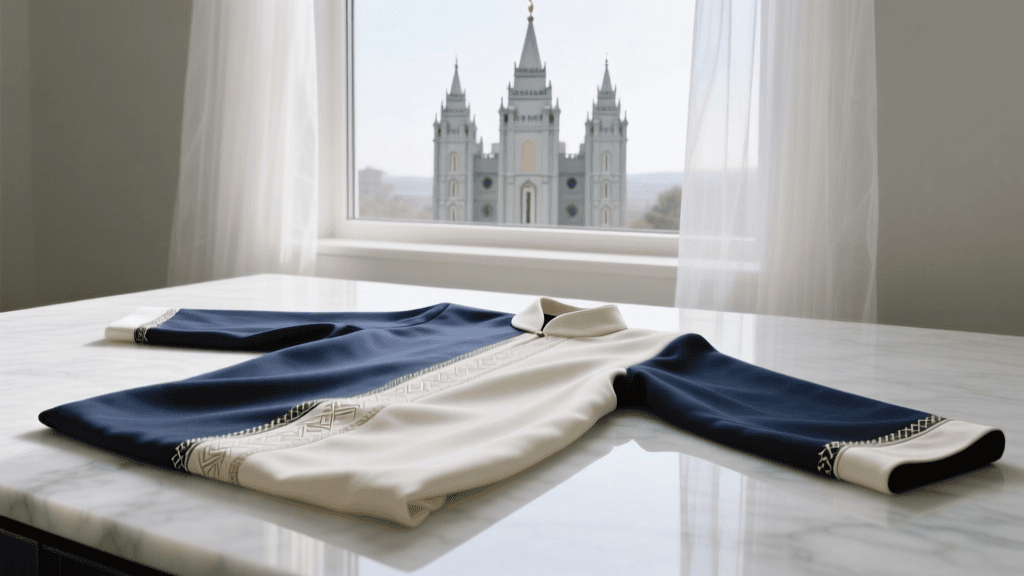
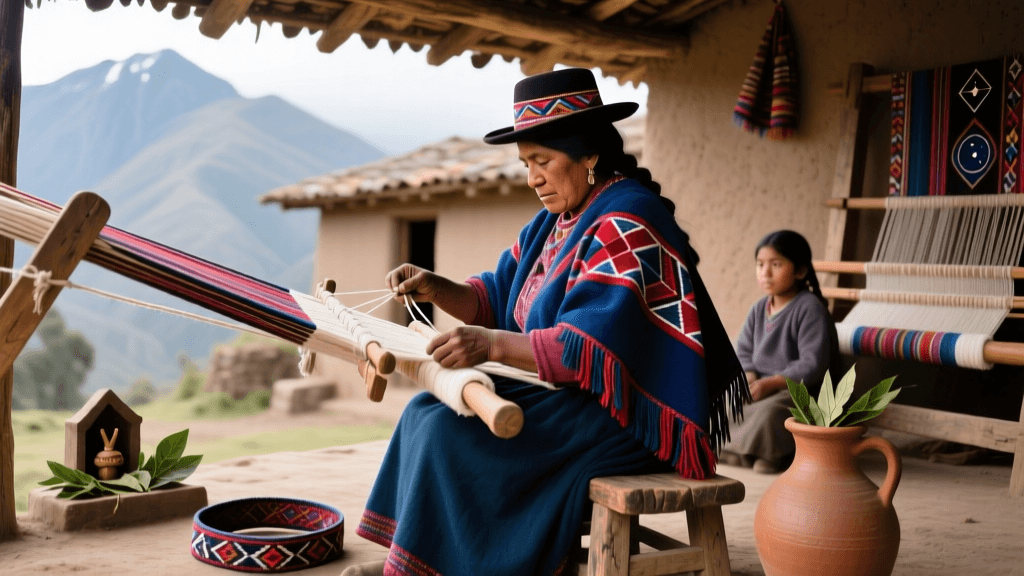
2026 NYC & LA Garment District Guide: Sourcing Indigenous Textiles
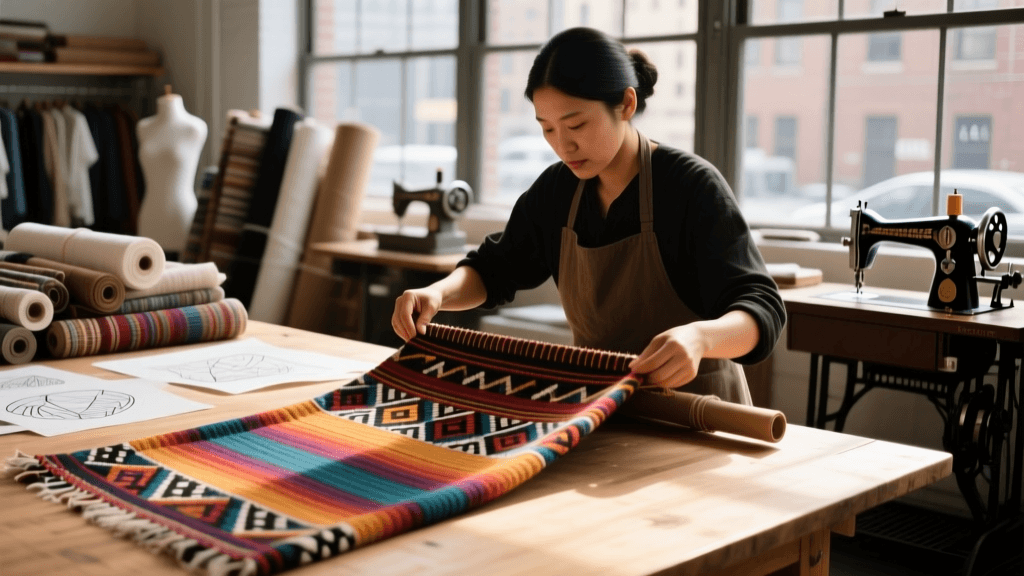
The Evolution of American Fashion Hubs in 2026
Welcome to the 2026 landscape of American fashion manufacturing and sourcing. As the global apparel industry faces intense scrutiny over sustainability, cultural appropriation, and supply chain transparency, designers and cultural preservationists are increasingly turning to the roots of American textile history. The garment districts of New York City and Los Angeles remain the beating hearts of the domestic fashion industry, but their offerings have evolved dramatically. Today, these hubs are not just centers for fast fashion and mass production; they have become vital conduits for ethically sourced, Indigenous-inspired, and traditional Americas textiles.
For designers looking to integrate authentic Native American and Latin American Indigenous textiles into their 2026 collections, navigating these sprawling urban districts requires a strategic approach. It is no longer enough to simply walk into a fabric store and ask for 'tribal prints.' The modern designer must seek out authentic hand-woven fabrics, natural botanical dyes, and ethically produced trims that honor the ancestral techniques of the Americas. This comprehensive guide will walk you through the specific streets, buildings, and ethical frameworks necessary for sourcing Indigenous textiles in the NYC and LA garment districts this year.
Navigating the NYC Garment District for Native Textiles
The New York City Garment District, roughly bounded by 34th Street to 42nd Street and Sixth Avenue to Ninth Avenue, has undergone a significant transformation by 2026. While it was once dominated by mid-century manufacturing, it is now a curated hub for high-end sourcing, artisan cooperatives, and specialized textile showrooms. According to the Garment District Alliance, the neighborhood has seen a 40% increase in sustainable and heritage-focused textile vendors over the last three years, making it a prime location for sourcing North American Indigenous materials.
Key Buildings and Artisan Hubs
When sourcing Native American-inspired textiles and authentic trims in NYC, your first stop should be the historic showroom buildings on West 38th and West 40th Streets. Buildings like 225 West 38th Street and 222 West 40th Street house specialized importers and ethical distributors who work directly with Native artisans. Here, you can find authentic Haudenosaunee (Iroquois) glass beadwork trims, which are highly sought after for adding intricate, culturally significant detailing to contemporary outerwear and evening wear.
Additionally, the district is home to specialized natural dye houses that have revived pre-Columbian dyeing techniques. In 2026, sourcing authentic indigo, madder root, and weld is easier than ever, with several Midtown suppliers offering vat-dyed organic cottons and wools that mirror the historical color palettes of the Eastern Woodlands tribes. When purchasing these materials, always ask for the 'dye lot origin' to ensure the botanicals were harvested sustainably and that the dyeing process supports local artisan cooperatives.
The LA Fashion District: Southwest and Latin American Influences
While NYC excels in high-end trims and Eastern Woodlands influences, the Los Angeles Fashion District is the undisputed king of Southwest Native and Latin American Indigenous textiles. Spanning over 100 blocks in Downtown LA, the district is a vibrant, chaotic, and deeply inspiring marketplace. The LA district's proximity to the US-Mexico border and its deep historical ties to the American Southwest make it the premier destination for sourcing heavy wool weaves, backstrap-loomed cottons, and vibrant, naturally dyed garments.
Maple Avenue and the California Market Center
To find authentic Indigenous textiles from the Americas in LA, you must venture beyond the fast-fashion storefronts of Main Street and head toward the Maple Avenue corridor and the California Market Center (CMC). In 2026, the CMC hosts several permanent showrooms dedicated to fair-trade Latin American imports. Here, buyers can source authentic Zapotec wool textiles from Oaxaca, Mexico. These textiles, traditionally woven on pedal looms and dyed with local cochineal and indigo, are incredibly durable and perfect for structured outerwear, heavy skirts, and upholstery-grade fashion accessories.
For Southwest Native American textiles, specifically those inspired by or sourced from Diné (Navajo) weavers, buyers should seek out the specialized wholesale importers located in the surrounding blocks of the CMC. These vendors offer 'Navajo Churro' wool blends—sheep wool that is historically significant to the Diné people, known for its long staple length, luster, and lack of lanolin. In 2026, due to new agricultural subsidies and tribal partnerships, authentic Churro wool yardage is more accessible to independent designers than it has been in decades, allowing for the creation of breathable, weather-resistant garments that honor Southwest traditions.
Understanding Traditional Weaves and Dyes
A critical part of sourcing in 2026 is the ability to distinguish between authentic, artisan-made Indigenous textiles and mass-produced, power-loomed imitations. Power-loomed 'tribal' fabrics are not only culturally appropriative but often of inferior quality. When examining textiles in either the NYC or LA districts, look for the following hallmarks of authenticity:
- Selvedge Edges: Authentic backstrap-loomed textiles from Latin America will often feature finished selvedge edges that are integral to the weave, rather than cut and serged.
- Slubs and Variations: Hand-spun yarns, particularly in Zapotec and Diné wool textiles, will have natural variations in thickness (slubs). Perfect uniformity usually indicates machine spinning and power-loom weaving.
- Natural Dye Scent and Feel: Textiles dyed with traditional botanicals like cochineal (which yields brilliant reds and purples) or black walnut hulls often retain a faint, earthy scent and have a softer, more complex hand-feel compared to harsh synthetic azo dyes.
Ethical Sourcing and Legal Compliance in 2026
Sourcing Indigenous textiles carries a profound ethical and legal responsibility. The line between cultural appreciation and cultural appropriation is defined by consent, compensation, and accurate representation. In the United States, the Indian Arts and Crafts Act (IACA) is a truth-in-advertising law that prohibits misrepresentation in marketing of American Indian or Alaska Native arts and crafts products. While the IACA primarily targets finished goods, the ethical principles extend to raw textiles and trims.
According to the Indian Arts and Crafts Board, it is illegal to offer or display for sale any art or craft product in a manner that falsely suggests it is Indian-produced, an Indian product, or the product of a particular Indian or Indian Tribe or Indian arts and crafts organization. When sourcing in the garment districts, you must demand transparency from your vendors. Ask for documentation that proves the textiles were produced by enrolled members of federally or state-recognized tribes, or by certified Native-owned cooperatives. In 2026, reputable vendors in both NYC and LA will readily provide 'Chain of Custody' certificates that trace the textile back to the specific artisan or tribal enterprise, ensuring fair wages and cultural respect.
NYC vs. LA: 2026 Sourcing Comparison Chart
Choosing between the East and West Coast hubs depends entirely on your collection's specific material needs, budget, and design aesthetic. Below is a structured comparison to help you plan your 2026 sourcing trips.
| Feature | NYC Garment District | LA Fashion District |
|---|---|---|
| Primary Indigenous Focus | Eastern Woodlands, Haudenosaunee beadwork, natural botanical dyes, high-end trims. | Southwest Native (Diné), Latin American (Zapotec, Maya), heavy wools, backstrap cottons. |
| Best For | Evening wear detailing, luxury outerwear trims, sustainable dyeing partnerships. | Structured outerwear, heavy knitwear, resort wear, artisan-woven yardage. |
| Average MOQ (2026) | Lower MOQs (10-50 yards) for trims; higher for specialized weaves. | Flexible MOQs; many vendors sell by the roll or offer wholesale cuts (20+ yards). |
| Key Locations | 225 W 38th St, 222 W 40th St, specialized Midtown showrooms. | Maple Ave corridor, California Market Center (CMC), San Pedro wholesale blocks. |
| Price Range (Wholesale) | Premium ($45 - $150+ per yard for authentic artisan goods). | Moderate to Premium ($25 - $120 per yard depending on weight and origin). |
Your Step-by-Step Sourcing Itinerary
To maximize your time and ensure ethical compliance, follow this actionable itinerary when visiting the garment districts in 2026:
- Pre-Trip Verification: Before visiting any showroom, check their digital catalog and verify their affiliations. Look for badges from the Fair Trade Federation or certifications from Native American business councils.
- Map the Showrooms: In NYC, focus on the 38th-40th Street grid. In LA, map out the CMC and the specific Maple Avenue blocks known for Latin American imports. Do not rely on street-level retail; the best wholesale indigenous textiles are in upper-floor showrooms.
- Request Chain of Custody: When you find a textile you love, explicitly ask the sales representative for the artisan cooperative's name and the chain of custody documentation. A reputable 2026 vendor will have this on hand.
- Test the Hand and Drape: Indigenous textiles like hand-woven Zapotec wool are heavier and stiffer than commercial wools. Request a sample hanger to test how the fabric drapes and tailor it to your specific pattern blocks before committing to a bulk order.
- Negotiate Lead Times: Because authentic, hand-woven, and naturally dyed textiles are produced in small batches, lead times can stretch from 8 to 16 weeks. Factor this into your 2026 production calendar to avoid delaying your collection launch.
Conclusion: Weaving the Future with Respect
The garment districts of New York City and Los Angeles are more than just commercial hubs; they are the gateways to the rich, diverse textile heritage of the Americas. As we navigate the fashion industry in 2026, the responsibility falls on designers and buyers to ensure that the integration of Indigenous textiles is done with profound respect, legal compliance, and economic fairness. By utilizing the specialized showrooms, demanding transparency, and honoring the ancestral techniques of the weavers and dyers, you can create collections that are not only visually stunning but culturally resonant and ethically unimpeachable. For more resources on traditional garment construction and cultural history, continue exploring our archives at The Garment Atlas.