Mormon Temple Garments 2026: Meaning, Purpose & Modern Styles
Understanding Mormon Temple Garments in 2026
Within the diverse tapestry of American religious and cultural clothing traditions, few garments are as deeply misunderstood yet profoundly sacred to their wearers as the Mormon temple garment. Worn by faithful, endowed members of The Church of Jesus Christ of Latter-day Saints (often referred to as the LDS Church), these garments represent a deeply personal commitment to God. As we navigate through 2026, the intersection of ancient covenant symbolism and modern textile innovation has resulted in a new era of sacred clothing that accommodates global climates, active lifestyles, and diverse body types.
For cultural historians, textile enthusiasts, and those seeking to understand American indigenous religious movements, the evolution of the temple garment offers a fascinating look at how a 19th-century American religious tradition adapts its most sacred vestments for the 21st century. This comprehensive guide explores the spiritual meaning, historical evolution, modern 2026 fabric technologies, and the strict traditions surrounding the purchase and care of these unique garments.
The Spiritual Meaning and Sacred Purpose
To understand the garment, one must first understand the Latter-day Saint concept of the temple. In the LDS faith, temples are considered the most sacred places on earth, distinct from regular meetinghouses used for Sunday worship. Inside the temple, members participate in the "Endowment," a sacred ceremony involving covenants (promises) made with God. The temple garment is introduced during this ceremony as a physical reminder of those spiritual promises.
According to the official Church Newsroom, the garment serves as a reminder of the wearer's covenants and provides a spiritual "shield and protection." It is crucial to note that Latter-day Saints do not believe the clothing possesses magical or literal physical protective properties. Rather, the protection is spiritual—serving as a constant, tactile reminder to live righteously, resist temptation, and maintain a personal connection to the divine throughout the daily grind of modern life.
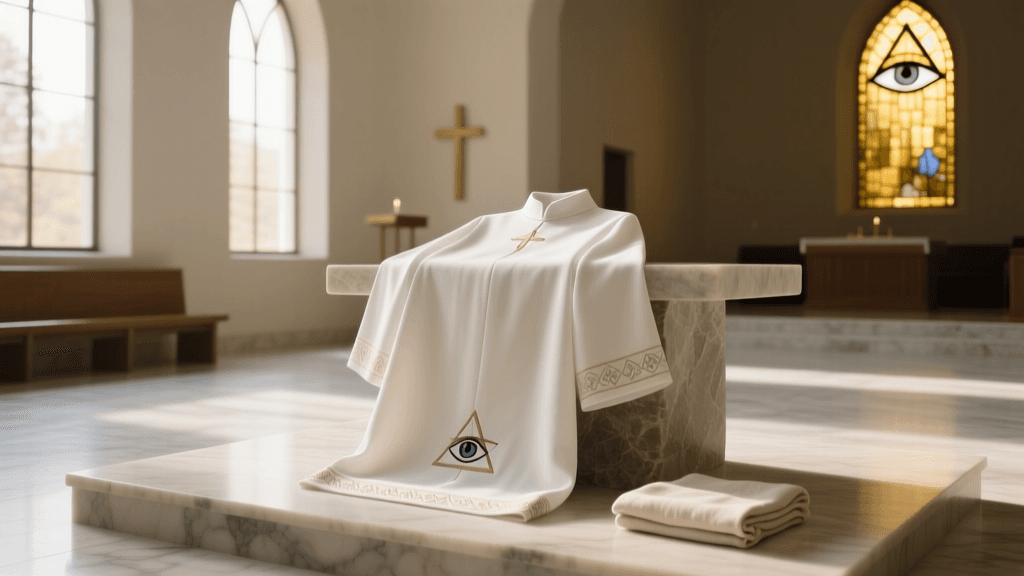
The garment features specific woven or embroidered marks (symbols) over the chest and knee, which correspond to the teachings received during the temple Endowment. These marks are deeply sacred to members and are never displayed publicly, which is why the garments are always worn discreetly beneath everyday outer clothing.
Historical Evolution: From the 1840s to Today
The tradition of sacred undergarments in the Latter-day Saint movement traces back to the 1840s in Nauvoo, Illinois, when founder Joseph Smith introduced the temple Endowment. Early garments were essentially one-piece union suits made of heavy cotton or wool flannel, extending to the wrists and ankles. They were designed in an era before modern central heating and indoor plumbing, serving both a modest religious function and a practical保暖 (warming) purpose.
As American fashion and textile manufacturing evolved, so did the garments. In the 1920s and 1930s, the Church authorized shorter sleeves and legs to accommodate changing styles of women's dresses and men's summer suits. By the 1970s, the Church's Distribution Services began introducing synthetic blends, allowing for machine washing and greater durability. Today, in 2026, the Church continues to refine its offerings, utilizing advanced moisture-wicking technologies, sustainable bamboo-rayon blends, and specialized modesty panels to ensure that members can honor their covenants comfortably in any environment, from the humid tropics of Southeast Asia to the arid heat of the American Southwest.
Modern Garment Styles and Fabric Innovations
The Church's Distribution Services operates a highly specialized supply chain to provide garments to millions of members worldwide. As of 2026, the lineup of available fabrics and cuts is more diverse than ever, reflecting extensive feedback from a global membership. Below is a comparison of the primary garment styles available today:
| Fabric Type | Best For | Key Features (2026 Lineup) | Climate Suitability |
|---|---|---|---|
| 100% Cotton | Everyday wear, sensitive skin | Breathable, traditional feel, reinforced stitching | Moderate / Cool |
| Stretch Mesh | Active lifestyles, athletics | High elasticity, moisture-wicking, quick-dry | Hot / Humid |
| Modesty (Cotton/Modal Blend) | Professional wear, formal events | Opaque panels, silky drape, anti-static | All Climates |
| Bamboo-Rayon Blend | Eco-conscious wearers, tropical zones | Naturally antibacterial, thermoregulating, ultra-soft | Hot / Humid |
| Heat-Resistant / Nomex | Military, firefighters, industrial | Flame-retardant, meets occupational safety standards | Hazardous Environments |
Expanding Options for Women
Historically, garment designs were heavily standardized, often causing fit and modesty challenges for women wearing modern necklines or sleeveless tops. Over the last decade, and culminating in the 2026 catalog, the Church has significantly expanded women's specific designs. Women can now choose from cap-sleeve, short-sleeve, and camisole-style tops, as well as varying hemlines for the bottoms (including boy-short, brief, and knee-length styles). The introduction of stretch-lace edges and seamless laser-cut hems has allowed female members to wear contemporary professional and formal attire without the garment lines showing through, maintaining both their sacred covenants and their personal style.
Purchasing Guidelines and Distribution Services
Unlike ordinary clothing, temple garments cannot be purchased in standard retail stores or commercial e-commerce platforms. According to the Church's General Handbook, only members who have received their temple Endowment and hold a current, valid "Temple Recommend" (a card signed by local ecclesiastical leaders verifying the member's worthiness) are permitted to purchase them.
Purchasing is done exclusively through the Church's official Distribution Services, either online via a secure, member-only portal or in person at local Distribution Centers located near temples and major stakes (dioceses) worldwide. In 2026, the online portal features AI-assisted sizing tools that use smartphone camera measurements to recommend the perfect fit, reducing return rates and ensuring comfort. Pricing is heavily subsidized by the Church to ensure accessibility; a standard two-piece set typically costs between $12 and $18 USD, regardless of the advanced fabric technology used.
Proper Care, Washing, and Respectful Disposal
Because the garments are considered sacred, their care and eventual disposal are governed by strict cultural and religious traditions. Members are taught to treat the garments with the utmost respect, keeping them clean and in good repair.
Washing and Maintenance
- Temperature: Cold or warm water is recommended to preserve the elasticity of modern stretch meshes and bamboo blends.
- Detergents: Mild, fragrance-free detergents are preferred. Bleach is strictly avoided as it degrades the sacred marks and weakens the fibers.
- Drying: Air drying or tumble drying on low heat is advised. High heat can melt the synthetic fibers in the moisture-wicking athletic lines.
- Repairs: Minor tears can be respectfully mended. However, if a garment becomes overly worn, frayed, or stained beyond cleaning, it should be retired.
Respectful Disposal
When a garment reaches the end of its usable life, it is not simply thrown in the trash alongside ordinary refuse. The established tradition requires the member to carefully cut out the sacred marks (the symbols over the chest and knee). Once the marks are removed, they are destroyed (often by cutting them into smaller pieces) and disposed of privately. The remaining fabric, now stripped of its sacred symbols, can be discarded in the regular trash or repurposed as cleaning rags. In 2026, some local Distribution Centers have also begun offering textile recycling bins specifically for retired garment fabrics, aligning the sacred disposal process with modern environmental sustainability goals.
Cultural Misconceptions and Respect
Due to their private nature, Mormon garments have frequently been the subject of sensationalism, internet memes, and inaccurate media portrayals. Critics and pop culture references have sometimes derisively labeled them "magic underwear," a term that is deeply offensive to Latter-day Saints. Understanding the garment through the lens of comparative religion reveals striking parallels to other sacred vestments worldwide, such as the Jewish tzitzit and tallit katan, or the Sikh kacchera. In all these traditions, a specific undergarment or physical article serves as an intimate, daily anchor to a broader theological worldview and moral code.
Conclusion
The Mormon temple garment is far more than a piece of clothing; it is a profound expression of faith, identity, and devotion. As of 2026, the seamless integration of advanced textile engineering with 19th-century covenant theology highlights the dynamic nature of American religious traditions. For members of The Church of Jesus Christ of Latter-day Saints, the garment remains a quiet, unseen companion—a daily reminder of promises made in sacred spaces, carried out into the modern world.