LDS Temple Garments 2026: Religious Meaning & Modern Styles

The Sacred Symbolism and Religious Meaning of Temple Garments
For members of The Church of Jesus Christ of Latter-day Saints (LDS), temple garments hold a profound spiritual significance that transcends ordinary clothing. Often referred to in secular media as 'Mormon underwear,' this characterization severely understates their sacred role in the daily lives of faithful members. In 2026, as the Church continues to expand its global footprint across the Americas and beyond, understanding the religious meaning, cultural intersections, and modern material evolution of these garments provides a unique window into Indigenous and American religious textile traditions.
According to the Church's official teachings, the garment is a physical reminder of the covenants made during the sacred temple endowment ceremony. It serves as a constant, intimate reminder of the wearer's commitment to live a moral life, follow the teachings of Jesus Christ, and honor their promises to God. The Church's Gospel Topics essays clarify that the garment is not a magical amulet or a superstitious shield, but rather a spiritual compass that encourages modesty, purity, and mindfulness in everyday actions.
Evolution of Garment Styles and Fabrics in 2026
Historically, temple garments were crafted from heavy, rigid cotton that was difficult to maintain in extreme climates. However, as the demographic center of the Church has shifted heavily toward Latin America, the Pacific Islands, and diverse climates across North America, the need for adaptive textiles has grown. In 2026, the Church's Distribution Services offers a highly specialized lineup of garments designed for breathability, durability, and cultural modesty requirements.
Recent 2026 updates to the online distribution portal have introduced new sustainable fabric blends and enhanced moisture-wicking technologies. These innovations are particularly vital for members living in the humid tropics of Central America or the arid, high-altitude regions of the Andes, ensuring that the sacred requirement to wear the garment does not cause physical discomfort or heat-related health issues.
2026 Garment Fabric & Style Comparison Guide
| Style Line (2026) | Material Composition | Ideal Climate / Use Case | Price Range (USD) |
|---|---|---|---|
| Classic Cotton Blend | 95% Combed Cotton, 5% Elastane | Temperate climates, everyday office wear | $11.00 - $13.50 |
| Performance Mesh | 88% Polyester, 12% Spandex | Humid tropics, high-sweat activities, athletics | $14.00 - $16.50 |
| Modesty Panel (Cotton) | 100% Organic Cotton Interlock | Colder climates, layered winter wear | $12.50 - $15.00 |
| Maternity & Nursing | Stretch Bamboo-Cotton Blend | Pregnancy, postpartum, fluctuating body types | $15.00 - $18.00 |
| Thermal Base Layer | Merino Wool & Synthetic Blend | Freezing winters (e.g., Canada, Northern US) | $19.00 - $22.00 |
Note: Pricing reflects early 2026 estimates via the official Church Distribution Store. Prices may vary slightly based on regional shipping and local distribution center availability.
Cultural Intersections: Indigenous and Latin American Identities
One of the most fascinating aspects of studying religious dress in the Americas is observing how sacred undergarments interact with Indigenous and traditional cultural regalia. For Native American LDS members—such as those from the Diné (Navajo), Lakota, and Hopi nations—the temple garment represents a unique intersection of two deeply sacred worlds. Indigenous cultures across the Americas have their own rich traditions of sacred clothing, modesty, and spiritual adornment. When an Indigenous member of the LDS Church participates in the temple, they integrate the garment into their existing cultural framework of reverence.
For example, during traditional powwows or tribal ceremonies, Native American LDS members often wear elaborate regalia, such as ribbon shirts, jingle dresses, or traditional velvet garments. The temple garment acts as a unifying baseline of modesty beneath these culturally significant outer layers. It allows members to fully participate in their Indigenous heritage, honoring their ancestors and tribal customs, while simultaneously honoring their religious covenants. The modesty requirements of the garment (which generally require covering the shoulders, midriff, and upper thighs) align remarkably well with the traditional modesty standards inherent in many Native American and Latin American cultures.
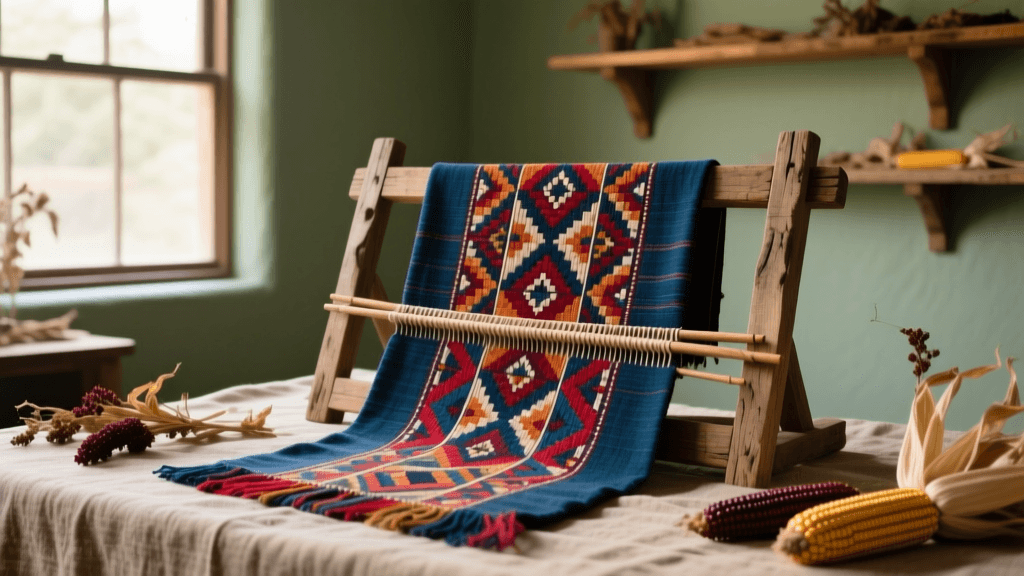
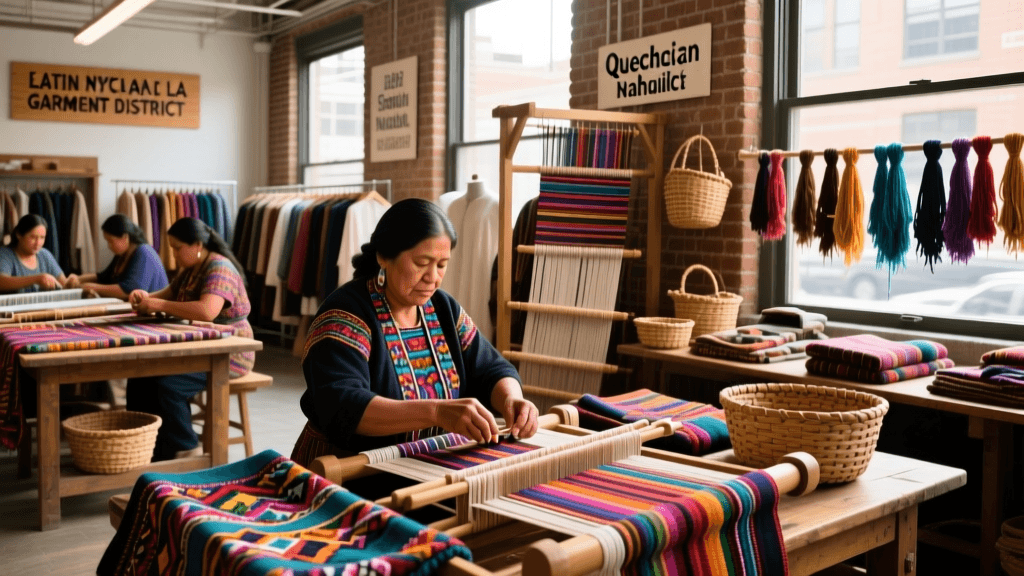
Similarly, in Latin America, traditional garments like the embroidered huipil of Guatemala or the vibrant textiles of the Andean regions often feature specific necklines and hemlines. The 2026 line of low-profile, mesh temple garments allows Indigenous Latina women to wear their traditional, culturally significant outer garments without the lines or bulk of the undergarments disrupting the textile artistry. This seamless integration highlights how religious dress can adapt to honor, rather than erase, Indigenous cultural identities.
Navigating Modesty and Modern Fashion in the Americas
The concept of modesty is deeply embedded in the LDS faith, and the garment serves as the foundational layer for this principle. In 2026, mainstream fashion in the Americas often trends toward revealing cuts, sheer fabrics, and cropped silhouettes. For LDS women and men, the garment dictates the boundaries of their outer wardrobe. Necklines must be high enough to cover the garment's neckline, and sleeves must extend to the shoulder cap.
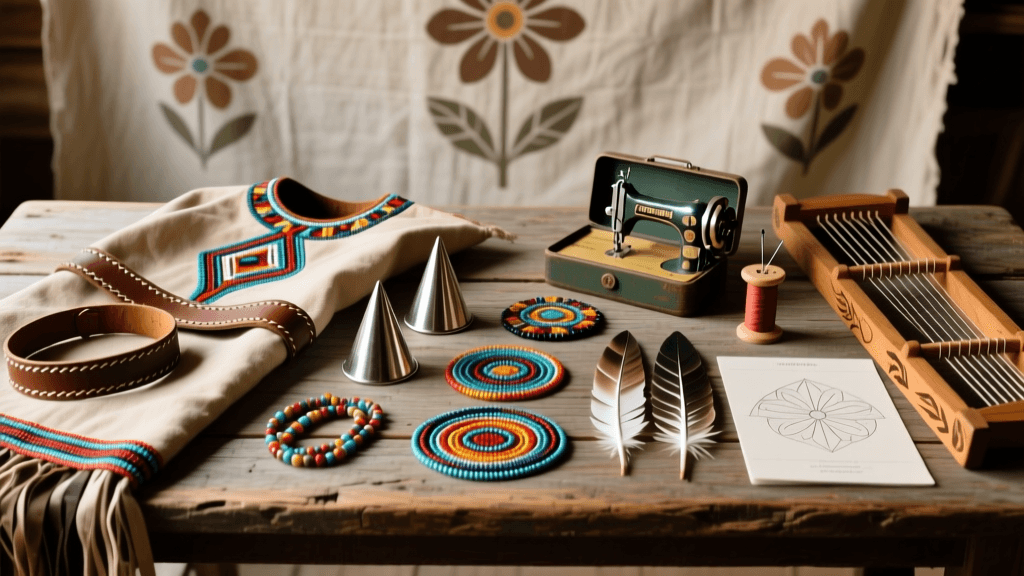
This religious requirement has inadvertently spurred a niche market within the Americas for 'modest fashion.' Many Indigenous and Latina entrepreneurs within the LDS community have launched boutique clothing lines specifically designed to accommodate the garment while celebrating cultural aesthetics. These designers utilize traditional weaving techniques, vibrant Latin American color palettes, and Indigenous beadwork to create outerwear that is both culturally resonant and religiously compliant. According to demographic studies on religious practices in the Americas, such as those analyzed by the Pew Research Center, the commitment to visible religious markers like modesty remains a defining characteristic of devout LDS communities, even as they assimilate into broader modern cultures.
Practical Guide to Purchasing and Care in 2026
Unlike secular clothing, temple garments cannot be purchased in standard retail stores or secular e-commerce platforms. They are exclusively available through the Church's official Distribution Services. In 2026, the purchasing process has been highly digitized, allowing members to order via the Church's official mobile app or website using their secure member credentials.
Ordering and Sizing
- Measurement Tools: The 2026 app update includes an augmented reality (AR) measuring tool and detailed video guides to ensure members order the correct fit, reducing return waste.
- Accessibility Options: Distribution now offers specialized cuts for members with physical disabilities, including adaptive closures and wheelchair-friendly inseams.
- Global Shipping: Members in remote Indigenous communities across the Americas can now utilize localized distribution hubs in Mexico, Brazil, and Peru, significantly reducing shipping times and costs compared to previous decades.
Proper Care and Longevity
To maintain the integrity of the fabrics and the sacred markings woven or embroidered into the garments, proper care is essential. The 2026 fabric blends, particularly the bamboo and performance meshes, require specific laundering techniques:
- Washing: Use cold water and a mild, enzyme-free detergent. Avoid bleach, as it degrades the elastane and fades the sacred markings.
- Drying: Air drying is highly recommended to preserve the elasticity and shape. If using a dryer, select the lowest heat setting.
- Respectful Disposal: When a garment becomes too worn or damaged to wear, the markings must be carefully cut out and destroyed to prevent them from being treated disrespectfully. The remaining fabric can then be discarded in standard waste or repurposed for household cleaning rags.
Addressing Misconceptions and Fostering Respect
For anthropologists, textile historians, and the general public, it is crucial to approach the topic of LDS temple garments with the same respect afforded to the religious vestments of any other global faith, such as the Sikh Kara, the Jewish Tallit Katan, or the sacred regalia of Indigenous North American spiritual leaders. In 2026, as cultural exchange and digital media continue to bring diverse traditions into the public eye, fostering a respectful dialogue about religious dress is more important than ever.
The temple garment is not merely a piece of clothing; it is a deeply personal, sacred textile that connects millions of members across the Americas to their faith, their God, and their personal moral compass. By understanding the profound religious meaning, the modern material innovations, and the beautiful ways in which these garments intersect with Indigenous and Latin American cultural identities, we gain a richer appreciation for the diverse tapestry of religious dress in the Americas.