Jingle Dress Regalia 2026: Materials, Meaning & Craft
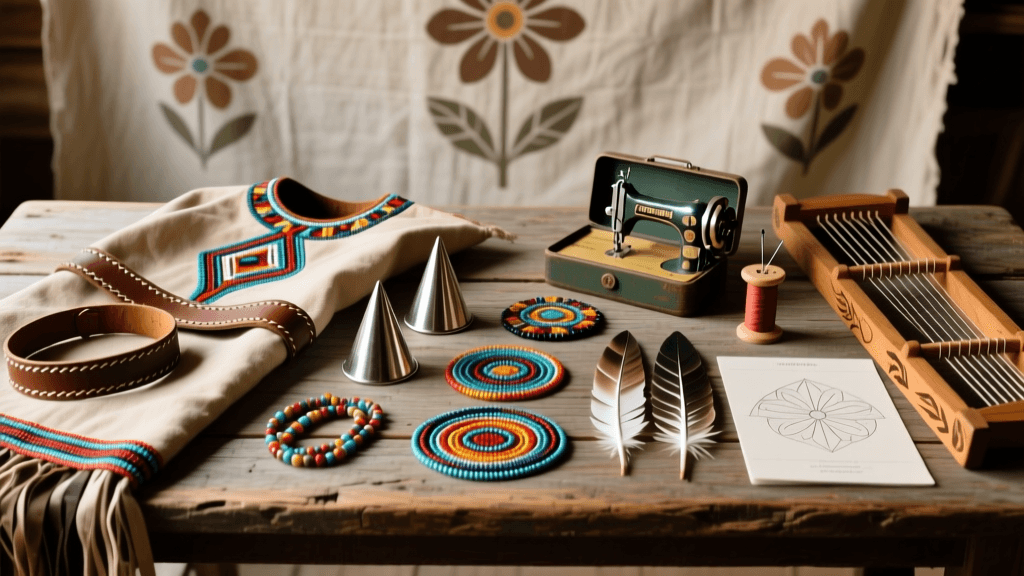
The Origins and Spiritual Significance of the Jingle Dress
Welcome to the 2026 powwow season, a year that marks a profound continuation of Indigenous resilience, artistry, and spiritual expression across the Americas. Among the most visually and acoustically striking garments seen in the dance arena is the Jingle Dress, known in the Ojibwe language as Ziibaaska'igan-agad. Far from being a mere performance costume, the jingle dress is a sacred healing garment with deep roots in Anishinaabe culture. Understanding its construction, meaning, and the protocols surrounding it is essential for anyone studying Native American traditional clothing and regalia.
The origins of the jingle dress trace back to the Mille Lacs Band of Ojibwe in Minnesota, dating to the early 1920s during the devastating global influenza pandemic. According to oral tradition, a medicine man received a vision of a dress adorned with metal cones that would bring healing to his gravely ill granddaughter. Upon waking, he and his wife crafted the first dress, and as the granddaughter danced in it, she recovered. Today, the Jingle Dress Dance is widely recognized across North America as a prayer for healing, and the dress itself is treated with the utmost reverence. As noted by the Smithsonian National Museum of the American Indian, the jingle dress represents a powerful intersection of spiritual vision, community health, and Indigenous women's leadership.
Anatomy of a 2026 Jingle Dress: Fabrics and Foundations
Creating a jingle dress requires a mastery of both traditional aesthetics and practical garment engineering. A fully assembled dress can weigh anywhere from 15 to 30 pounds, depending on the density of the metal cones and the amount of beadwork. In 2026, Indigenous artisans and seamstresses are blending heritage textiles with modern performance fabrics to manage this weight and improve comfort during grueling summer powwow seasons.
Historically, the base of the dress was made from heavy cotton broadcloth or wool trade cloth. While high-quality cotton broadcloth remains the gold standard for its durability and beautiful drape, many 2026 makers are incorporating moisture-wicking linings and reinforced bodice structures. The intense heat of July and August powwows on the Plains and in the Great Lakes region demands breathability. Artisans are increasingly using hidden, lightweight mesh panels beneath the arms and along the back seams to facilitate airflow without disrupting the traditional silhouette of the garment.
The silhouette of a traditional jingle dress is modest and flowing, typically featuring long sleeves, a high neckline, and a skirt that grazes the ankles. However, contemporary adaptations seen on the 2026 powwow trail sometimes feature slightly more tailored bodices or cape-like overlays, reflecting the dynamic, evolving nature of Indigenous fashion. Regardless of the stylistic variations, the foundational requirement remains the same: the fabric must be robust enough to support the relentless pulling and shifting of hundreds of metal cones.
The Heartbeat: Selecting and Sourcing Jingles
The defining feature of the regalia is the jingles themselves. The sound they produce is meant to mimic the sound of falling rain, a vital element for purification and healing. The placement, material, and sourcing of these cones are critical decisions for any dressmaker.
Originally, jingles were hand-rolled from the metal lids of snuff or tobacco tins. The maker would cut the circular lid, roll it into a conical or tubular shape, and attach it to the dress using ribbon or cloth ties. Today, while commercial stamped metal cones are widely available and heavily used, there is a massive resurgence in the 2026 powwow community toward hand-rolled heritage cones. This movement is driven by a desire to reconnect with ancestral methods and to achieve a specific, deeper acoustic resonance that mass-produced aluminum cones cannot replicate.
Below is a comparison of the primary cone types utilized by regalia makers in 2026:
| Cone Type | Material | Acoustic Profile | Weight (per 100) | 2026 Est. Cost |
|---|---|---|---|---|
| Commercial Stamped | Zinc/Aluminum Alloy | High-pitched, bright, sharp | 1.2 lbs | $45.00 |
| Hand-Rolled Heritage | Upcycled Snuff/Tobacco Tins | Deep, resonant, rhythmic | 2.5 lbs | $120.00 (Labor) |
| Copper Artisan | Pure Spun Copper | Warm, melodic, soft | 1.8 lbs | $180.00 |
For a standard adult dress, a maker will typically attach between 365 and 700 cones. The math alone is staggering: attaching 500 hand-rolled cones can add over 12 pounds of pure metal to the skirt and sleeves. Makers must calculate the stress points on the cotton broadcloth and reinforce the seams with heavy-duty upholstery thread and interfacing to prevent tearing during the vigorous footwork of the dance.
Construction Techniques: Attaching the Cones
The application of the jingles is a meditative, time-intensive process. In 2026, while digital pattern-making tools and laser cutters are sometimes used to create precise templates for ribbon appliqué, the actual attachment of the cones remains a deeply manual, hand-sewn tradition.
Cones are traditionally attached in rows or geometric patterns—often V-shapes, zig-zags, or diamond motifs—using double-fold satin or cotton ribbon. The ribbon serves a dual purpose: it provides a vibrant splash of color that contrasts with the base fabric, and it acts as the structural anchor for the metal. The seamstress will fold the ribbon over the top of the cone's loop, stitching it securely to the dress.
Spacing is crucial. If the cones are placed too closely together, they will tangle and mute the sound. If they are too far apart, the signature 'rain' effect is lost. Experienced makers use specialized measuring guides, often passed down through families, to ensure that each cone has exactly 1.5 to 2 inches of swing radius. Furthermore, the cones on the sleeves and hem are usually attached slightly looser than those on the bodice to maximize the acoustic impact when the dancer raises her arms or steps heavily into the arena.
Beadwork, Ribbonwork, and 2026 Design Trends
While the metal cones draw the eye and ear, the fabric of the jingle dress is a canvas for some of the most exquisite beadwork and ribbonwork in North America. The yoke, collar, cuffs, and hem are frequently adorned with intricate floral patterns characteristic of Great Lakes Anishinaabe artistry.
In 2026, there is a notable trend toward blending traditional Woodlands floral beadwork with geometric Plains-style motifs, reflecting the intermarriage and cross-cultural exchange within the modern powwow community. Seed beads (size 11/0 and 14/0) from the Czech Republic and Japan remain the standard for their uniformity and brilliant colorfastness. Makers are also increasingly utilizing synthetic sinew and bonded nylon threads to ensure the beadwork can withstand the friction of the heavy metal cones brushing against it during the dance.
Ribbonwork, an appliqué technique using layered silk or satin ribbons to create complex geometric patterns, is heavily featured on the shawls and skirts that accompany the dress. The vibrant pinks, blues, and yellows of the ribbonwork provide a stunning visual counterpoint to the silver flash of the jingles. According to cultural reports featured in the ICT News Culture Section, the revitalization of traditional ribbonwork techniques among Gen Z Indigenous artists has led to a renaissance in color theory and pattern complexity within powwow regalia.
Accompanying Regalia: Completing the Ensemble
A jingle dress is never worn in isolation; it is part of a comprehensive regalia ensemble that includes several vital components:
- Moccasins: Fully beaded, hard-soled moccasins are essential. The hard sole (often made from parfleche or thick leather) is necessary to produce the sharp, rhythmic striking of the ground that complements the sound of the jingles.
- Shawl: A fringed or ribbon-worked shawl is draped over the shoulders or arms. The dancer uses the shawl to mimic the movements of a bird or to emphasize the sweeping motions of the dance.
- Leggings and Belts: Beaded leggings and a wide, loom-beaded belt or sash cinch the waist, providing structural support for the heavy dress and adding to the visual symmetry of the regalia.
- Eagle Plumes: Many dancers wear eagle feathers in their hair or on their heads. These are earned or gifted and are treated with immense spiritual respect. If an eagle feather falls during a dance, the entire powwow is halted for a solemn retrieval ceremony.
Caring for Sacred Regalia
Caring for a jingle dress requires specific protocols that honor its spiritual purpose. The dress should never be thrown carelessly onto a bed or placed on the floor. When not being worn, it is carefully folded or hung in a dedicated, breathable canvas garment bag, often stored with sweetgrass, cedar, or sage to keep the garment spiritually and physically clean.
Because the metal cones are prone to oxidation, especially in the humid climates of the Midwest and Eastern Woodlands, makers must regularly inspect the cones for rust. Hand-rolled heritage cones may require gentle polishing with natural oils, while commercial cones are occasionally replaced if they become crushed or lose their acoustic resonance. The beadwork must also be checked for loose threads after every powwow, as the vigorous dancing can cause friction against the seed beads.
Powwow Protocol and Regalia Etiquette
For attendees, researchers, and enthusiasts of Native American traditional clothing, understanding powwow etiquette is just as important as understanding the garment's construction. The jingle dress is a sacred item, imbued with the prayers of its maker and the dancer. It is not a costume, and it should never be referred to as such.
When attending a powwow in 2026, observe the following rules of etiquette:
- Never Touch the Regalia: Do not touch a dancer's dress, shawl, or feathers without explicit permission. The oils from human hands can damage delicate beadwork and tarnish metal, but more importantly, touching sacred items without consent is deeply disrespectful.
- Photography Restrictions: Always listen to the Master of Ceremonies (MC). There are specific songs, such as honor songs or spiritual prayers, where photography and recording are strictly prohibited.
- Respect the Arena: The dance arena is considered a sacred space. Never walk across it, even if you are taking a shortcut to your seat.
The continued creation and dancing of the jingle dress is a testament to the enduring strength of Indigenous cultures. As the National Endowment for the Arts frequently highlights in its support of Native arts, these traditions are not static relics of the past; they are living, breathing practices that adapt, heal, and thrive in the modern era. Whether you are a garment historian, a textile artist, or a respectful observer, the jingle dress offers a profound lesson in the power of clothing to carry the spiritual weight of a people.