Mormon Temple Garments 2026: Religious Meaning & Modern Styles

The Sacred Origins and Theological Meaning
For members of The Church of Jesus Christ of Latter-day Saints, temple garments represent far more than a simple undergarment or a baseline for modesty. They are a profoundly sacred item of clothing, intricately tied to the covenants made during the temple endowment ceremony. Often referred to colloquially as 'Mormon garments' or 'LDS garments,' these white undergarments serve as a continuous, physical reminder of the spiritual promises made to God. As we navigate 2026, the intersection of deep-rooted faith and modern textile technology has allowed these sacred items to evolve in comfort and accessibility while strictly maintaining their theological integrity.
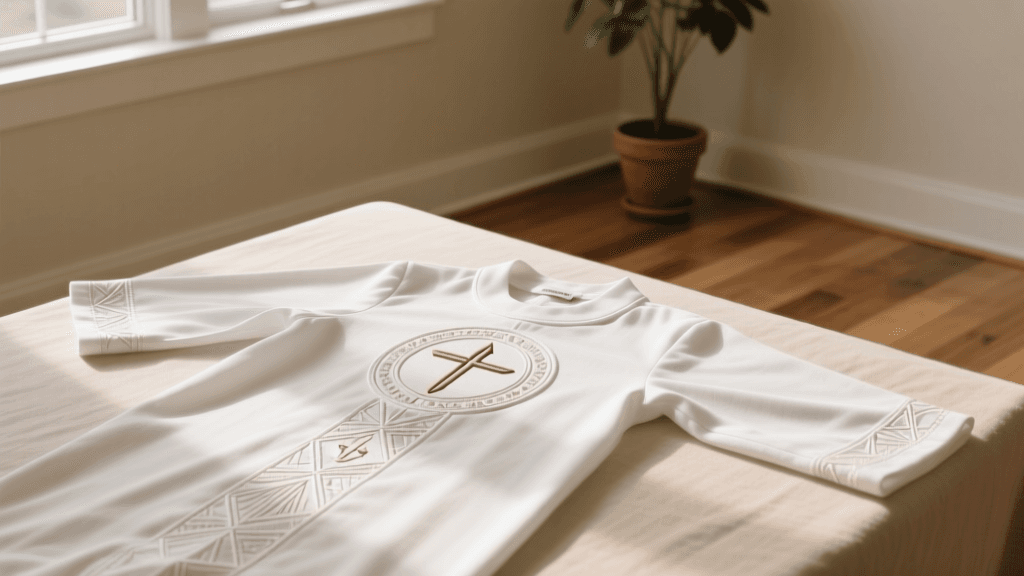
The origins of the temple garment date back to the Nauvoo period in the 1840s, when the Prophet Joseph Smith introduced the endowment ceremony. Historically, early garments were one-piece, full-length union suits made of heavy cotton or wool, featuring long sleeves and long legs. Over the decades, as societal norms regarding dress and physical labor shifted, the Church gradually adapted the physical cut of the garment to accommodate modern lifestyles, military service, and varying global climates. Today, in 2026, the garment is a two-piece set consisting of a top and bottom, designed to be worn beneath everyday clothing.
The Marks and Their Allegorical Significance
The most defining characteristic of the temple garment is the inclusion of specific woven or embroidered 'marks.' These marks are not merely decorative; they hold deep allegorical and scriptural significance, pointing the wearer's mind toward the teachings of the temple. According to the Church's official Gospel Topics Essay on Temple Garments, these symbols serve as a shield and a protection, reminding the wearer of their covenants to live righteously, honor the priesthood, and maintain moral purity.
While the exact visual representation of these marks has been simplified and standardized over the last century to preserve their sacred nature from public commodification, their meanings remain central to Latter-day Saint theology. They represent concepts such as the all-seeing eye of God, the compass (symbolizing a steadfast direction toward eternal life), the square (representing exactness and honor), and the navel and knee marks (reminding the wearer of the vital importance of spiritual nourishment and reverence). For the faithful, touching or seeing these marks throughout the day serves as a tactile prompt for mindfulness and prayer.
Cultural Identity and Modesty in 2026
In the broader cultural landscape of the Americas, the garment acts as a powerful marker of identity for Latter-day Saints. Wearing the garment requires a commitment to modesty, which influences how members navigate mainstream fashion. In 2026, Gen Z and Millennial Latter-day Saints are increasingly vocal about viewing the garment not as a restrictive set of rules, but as a grounding mindfulness tool in a hyper-sexualized and fast-paced digital world. The physical boundary created by the garment helps many young adults maintain a sense of personal sanctuary and spiritual focus amidst the noise of modern culture.
This cultural shift has also influenced how modesty is discussed within the community. Rather than focusing solely on hemline measurements or sleeve lengths, modern LDS discourse in 2026 emphasizes 'dressing for the Lord'—a holistic approach to modesty that prioritizes respect for the body as a temple, while still allowing for personal expression, cultural attire, and professional fashion. The garment is the foundational layer of this philosophy, providing the baseline coverage (typically covering the shoulders, midriff, and upper thighs) that allows members to confidently participate in diverse global environments, from corporate boardrooms to tropical beach vacations.
2026 Garment Styles, Fabrics, and Innovations
The Church has made significant strides in recent years to ensure that garments are accessible, comfortable, and functional for a global membership. The 2026 lineup available through the Official Church Clothing and Garments Store reflects a deep understanding of modern textile science and diverse bodily needs. The introduction of specialized women's styles over the last few years—such as camisoles, cap sleeves, and adjustable straps—has been widely embraced and is now a standard, celebrated part of the 2026 catalog.
Below is a comprehensive comparison of the primary garment fabrics and styles available to members in 2026:
| Garment Category | 2026 Fabric Options | Best Use Case & Climate | Approx. Price (USD) |
|---|---|---|---|
| Standard Cotton | 100% Combed Cotton | Everyday wear, sensitive skin, moderate climates | $11.00 - $13.00 |
| Modal / Micro-Modal | Modal Blend (Beechwood fiber) | Office wear, high comfort, drapes well under fitted clothing | $14.00 - $16.00 |
| Stretch / Active | Spandex / Polyester Blend | Athletics, gym, high-mobility jobs, travel | $15.00 - $18.00 |
| Mesh / Lightweight | Open-weave Cotton / Poly Mesh | Extreme heat, tropical climates, summer outdoor work | $13.00 - $15.00 |
| Women's Camisole | Cotton, Modal, Adjustable Strap | Worn under sleeveless or wide-neck tops (with appropriate outer modesty) | $14.00 - $17.00 |
The availability of the 'Stretch' and 'Mesh' lines has been particularly transformative for members living in the sweltering climates of Latin America, the American South, and Southeast Asia, ensuring that the physical burden of wearing multiple layers in high humidity is significantly reduced without compromising the sacred marks.
Purchasing, Pricing, and Distribution in 2026
Acquiring temple garments is a process reserved exclusively for members who have received their temple endowment. In 2026, the purchasing ecosystem is highly streamlined. Members can order garments directly through the Church's online distribution portal, which requires a secure login linked to their membership record to verify temple recommend status. Alternatively, physical Church Distribution Centers located adjacent to temples and in major LDS hubs (such as Salt Lake City, Provo, and various international hubs) offer in-person fittings and immediate purchases.
Pricing in 2026 remains heavily subsidized by the Church to ensure global accessibility. A standard two-piece set typically costs between $25.00 and $32.00 USD, depending on the fabric chosen. The Church also offers localized pricing adjustments in developing nations to ensure that the financial cost of participating in temple covenants is not prohibitive. Furthermore, members requiring specialized sizing, maternity adjustments, or adaptive clothing modifications for disabilities can work directly with distribution specialists to custom-order garments that meet their specific medical or physical needs.
Proper Care and Respectful Disposal
Because of their sacred nature, the care and eventual disposal of temple garments are treated with reverence. The Church provides clear guidelines on how to maintain these items respectfully. In 2026, with the prevalence of advanced home laundry systems and specialized detergents, caring for the delicate modal and mesh fabrics requires a bit more attention than the heavy cotton of the past.
- Washing: Garments should be washed separately from heavily soiled outer clothing if possible, using mild detergents. For the 2026 Modal and Mesh lines, washing in cold water on a gentle cycle is highly recommended to prevent the breakdown of elastane fibers and to preserve the integrity of the embroidered marks.
- Drying: Tumble drying on low heat is acceptable for cotton, but air-drying or using a low-heat setting is crucial for Stretch and Modal fabrics to prevent shrinking and heat damage. Bleach should be strictly avoided, as it degrades the fabric and can discolor the sacred marks.
- Repairing: Minor tears or worn elastic can be respectfully mended at home. The act of repairing a garment is viewed as a sign of stewardship and respect for the covenants it represents.
- Retirement and Disposal: When a garment becomes too worn, stretched, or damaged to be worn respectfully, it must be 'retired.' The official protocol requires members to carefully cut out the sacred marks. The marks are then destroyed (typically by burning or cutting them into unrecognizable pieces) to ensure they are never discarded in a way that could be treated with disrespect. The remaining, unmarked fabric can then be disposed of in the regular trash or repurposed as cleaning rags, as it no longer holds sacred significance once the marks are removed.
Conclusion
The cultural and religious significance of Mormon temple garments in 2026 remains as potent as ever, even as the physical garments have adapted to the demands of the modern world. They are a quiet, hidden armor worn by millions across the Americas and the globe—a daily, tactile commitment to a higher spiritual path. By balancing deep theological symbolism with modern textile innovations, the Latter-day Saint community continues to honor its historic covenants while actively engaging with the contemporary world. For those who wear them, the garment is not merely a piece of clothing; it is a lifelong companion in the pursuit of the divine.