Authenticating Oaxacan Zapotec Huipiles & Natural Dyes in 2026
The Renaissance of Oaxacan Textile Arts in 2026
As we navigate the global fashion and textile landscape of 2026, a profound shift has occurred in how consumers, collectors, and designers interact with traditional Latin American garments. The era of mass-produced, culturally appropriated 'boho-chic' knockoffs is being actively dismantled, replaced by a deep, educated appreciation for authentic indigenous craftsmanship. At the forefront of this movement are the traditional garments and textile arts of Oaxaca, Mexico. For collectors and conscious consumers, understanding the intricate details of Oaxacan weaving—particularly the Zapotec huipil and the use of natural dyes like cochineal and indigo—is no longer just a matter of aesthetic preference; it is an ethical imperative. In 2026, authenticating these garments requires a keen eye for structural details, an understanding of natural dye chemistry, and a commitment to sourcing directly from indigenous cooperatives.
The Anatomy of a Traditional Zapotec Huipil
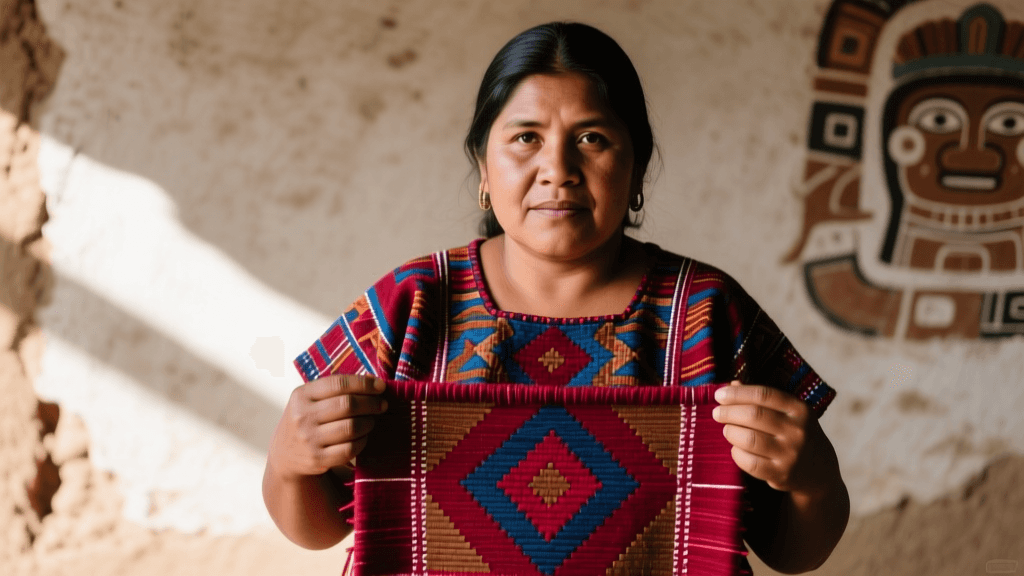
The huipil is far more than a simple tunic; it is a wearable codex that communicates the wearer's village, marital status, and cosmological beliefs. In the Zapotec communities of Oaxaca, the traditional huipil is constructed using a backstrap loom, an ancient pre-Columbian technology that allows the weaver to control the tension of the warp threads using her own body weight. A genuine, hand-woven huipil is typically created in three separate panels or 'webs.' These panels are woven to the exact width required for the garment, meaning the fabric is never cut with scissors. Instead, the edges are finished directly on the loom, and the panels are subsequently joined together using a highly decorative hand-stitched seam known as a 'randa.'
Identifying the Supplementary Weft Brocade
The most striking visual element of a Zapotec huipil is its intricate brocade. Unlike embroidery, which is stitched onto a finished piece of cloth, traditional Oaxacan brocade is a 'supplementary weft' technique. The artisan introduces thicker, brightly colored threads into the weaving process, floating them over and under the warp threads to create complex geometric and zoomorphic motifs. Common motifs include the 'rombo' (diamond), representing the four cardinal directions and the cycle of the agricultural seasons, as well as stylized birds, insects, and the tree of life. When authenticating a piece in 2026, examine the reverse side of the fabric. True supplementary weft brocade will show a mirrored, albeit slightly messier, version of the pattern on the back, whereas surface embroidery will show distinct, continuous stitching lines.
The Chemistry and Art of Natural Dyes
The most critical factor in determining the value, authenticity, and cultural integrity of an Oaxacan textile in 2026 is the dye used. The introduction of cheap, synthetic aniline dyes in the late 19th and 20th centuries severely damaged the reputation of indigenous textiles, causing colors to bleed and fade rapidly. Today, the most respected weaving cooperatives have returned entirely to pre-Hispanic natural dyeing methods. Understanding these dyes is essential for any serious collector or garment enthusiast.
Cochineal: The Red Gold of the Americas
Cochineal (Dactylopius coccus) is a scale insect that lives on the pads of the nopal (prickly pear) cactus. When dried and crushed, the female insects yield carminic acid, which produces a stunning, vibrant spectrum of reds, pinks, and purples. According to the Food and Agriculture Organization (FAO), cochineal remains one of the most historically significant and economically vital non-wood forest products in Latin America. The color achieved depends entirely on the mordant and the pH modifiers used during the dye bath. Adding acidic elements like lemon juice shifts the color toward a bright orange-red, while alkaline modifiers like baking soda push it toward a deep, royal purple. Iron mordants are used to achieve somber grays and deep blacks.
Indigo and Marigold: Complementary Hues
While cochineal rules the red spectrum, native Oaxacan indigo (añil) is used to achieve deep, colorfast blues. Indigo requires a complex vat-dyeing process involving fermentation and the careful removal of oxygen from the dye bath. For yellows and golds, weavers utilize the blossoms of the cempasúchil (Mexican marigold), wild chamomile, and the leaves of the pericón plant. The harmonious interplay of these three natural dye families—cochineal, indigo, and marigold—creates the unmistakable, earthy yet vibrant palette that defines authentic Oaxacan textiles.
2026 Dye Authentication and Lightfastness Chart
When evaluating a textile in a market or cooperative, use the following characteristics to differentiate natural dyes from synthetic counterparts. Natural dyes possess a complex, multi-tonal depth that flat synthetic dyes cannot replicate.
| Dye Source | Base Color | Common Modifier / Mordant | Resulting Hue | Visual Authentication Marker |
|---|---|---|---|---|
| Cochineal Insect | Crimson Red | Alum (Potassium Aluminum Sulfate) | Bright Ruby Red | Slight variations in thread saturation; deep, glowing undertones in sunlight. |
| Cochineal Insect | Crimson Red | Lime Juice (Acidic) | Vibrant Orange-Red | Warm, fiery tone that lacks the harsh neon edge of synthetic azo dyes. |
| Cochineal Insect | Crimson Red | Iron Sulfate | Deep Plum / Black | Rich, multi-dimensional dark tones; may feel slightly heavier to the touch. |
| Native Indigo | Deep Blue | Vat Fermentation (Alkaline) | Navy to Sky Blue | Subtle 'chalking' or fading on high-wear areas; smells faintly earthy when damp. |
| Marigold (Cempasúchil) | Yellow-Gold | Alum | Mustard to Bright Gold | Soft, warm yellow with slight greenish or brownish undertones in the shadows. |
2026 Market Pricing and Sourcing Cooperatives
The economics of indigenous weaving have evolved significantly. In 2026, conscious consumers recognize that a true, hand-spun, naturally dyed, backstrap-loom huipil is an investment piece that represents hundreds of hours of skilled labor. The process of harvesting cotton or preparing wool, spinning the yarn, foraging for dye materials, executing the dye baths, and finally weaving the garment can take anywhere from three to eight months. Consequently, the 2026 market pricing for authentic, master-weaver huipiles ranges from $450 USD for simpler, everyday garments to well over $1,500 USD for grand, ceremonial pieces featuring dense, full-coverage brocade and premium cochineal dyes.
To ensure your purchase directly benefits the artisans and their communities, bypass commercial middlemen and tourist traps. Instead, seek out established, women-led cooperatives. Organizations such as Mujeres Artesanas de las Regiones de Oaxaca and the Vida Nueva women's weaving cooperative in Teotitlán del Valle offer transparent pricing and guarantee the use of natural dyes. Supporting these cooperatives aligns with the ethical supply chain standards championed by organizations like Nest, which advocates for artisan rights, fair wages, and the preservation of traditional crafting methods in the global economy.
Navigating Cultural Heritage Laws and Ethics
In 2026, the legal landscape surrounding indigenous textiles is stricter and more protective than ever before. Mexico's Federal Law for the Protection of the Cultural Heritage of Indigenous and Afro-Mexican Peoples, which was enacted to combat rampant cultural appropriation by international fast-fashion brands, is now heavily enforced. The Instituto Nacional de los Pueblos Indígenas (INPI) actively monitors the unauthorized reproduction of sacred and community-specific designs. As a buyer, it is your responsibility to ensure that the garments you purchase are not unauthorized mass-reproductions. Buying directly from recognized cooperatives not only guarantees authenticity but ensures that the intellectual property and cultural patrimony of the Zapotec, Mixtec, and other indigenous groups are respected and financially compensated.
Garment Care for Cochineal-Dyed Textiles
Owning a naturally dyed Oaxacan garment requires a commitment to specialized care. Natural dyes, particularly cochineal and marigold, are sensitive to harsh chemicals and extreme pH shifts. To preserve the vibrancy of your textile for generations, follow these 2026 best-practice care guidelines:
- Washing: Never machine wash a hand-woven huipil or rebozo. Hand wash the garment in cold water using a pH-neutral, biodegradable soap specifically formulated for delicate natural fibers. Avoid standard laundry detergents, which contain optical brighteners and alkaline enzymes that will strip the carminic acid from the fibers, turning bright reds into muddy browns.
- Drying: Never wring or twist the wet fabric, as this can distort the tension of the backstrap-loom weave. Instead, gently press the water out by rolling the garment in a clean, dry towel. Lay the textile flat to dry in a shaded, well-ventilated area. Direct ultraviolet sunlight will rapidly degrade natural indigo and marigold dyes.
- Storage: Store your textiles flat or gently rolled around acid-free tissue paper. Hanging heavy, hand-woven cotton or wool huipiles on wire or wooden hangers for long periods will cause the warp threads to stretch and the shoulder seams to distort under the garment's own weight.
Conclusion: Preserving a Living Heritage
The traditional garments of Oaxaca are not relics of a bygone era; they are living, breathing expressions of indigenous resilience and artistic genius. As we move through 2026, the responsibility falls upon collectors, designers, and cultural enthusiasts to look beyond the surface beauty of these textiles. By learning to authenticate the supplementary weft brocade, understanding the complex chemistry of cochineal and indigo, and insisting on ethical, direct-trade sourcing, we can help ensure that the rhythmic clack of the Zapotec backstrap loom continues to echo through the valleys of Oaxaca for centuries to come.