LDS Garment Materials & Styles: 2026 Modern Updates Guide
The Sacred Context and Historical Evolution of LDS Garments
For members of The Church of Jesus Christ of Latter-day Saints, the temple garment is far more than a simple undergarment; it is a deeply sacred article of clothing that serves as a constant, physical reminder of the covenants made in holy temples. Historically, the design and materials of these garments have evolved significantly since their introduction in the 19th century. Early iterations were often full-length, one-piece union suits made from heavy cotton or wool flannel, designed primarily for modesty and warmth in a pre-climate-controlled era. As textile technology advanced and global membership expanded into diverse climates, the Church began adapting the garments to meet the practical needs of its members.
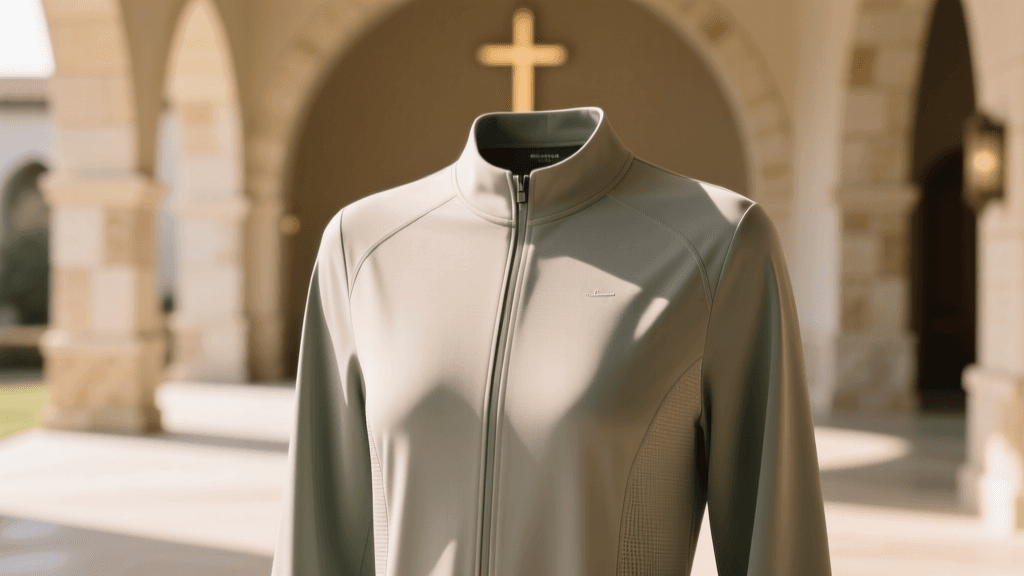
Entering 2026, the evolution of LDS temple garments has reached a new zenith of textile engineering and ergonomic design. The modern garment must balance strict adherence to modesty guidelines and sacred markings with the demands of contemporary, active lifestyles. Today's members live in tropical humidity, freezing alpine environments, and arid deserts, requiring a versatile wardrobe of undergarments that perform under extreme conditions. The 2026 lineup of temple garments reflects a sophisticated understanding of modern fabric science, offering unprecedented breathability, moisture management, and sustainable material sourcing without compromising the sacred nature of the clothing.
Breakthrough Fabric Technologies for 2026
The most significant updates in the 2026 garment catalog revolve around material science. While traditional 100% cotton remains available for those with sensitive skin or a preference for classic textiles, the majority of members now opt for advanced blends that offer superior durability and comfort. The Church's distribution centers have fully integrated next-generation fabrics that respond to the body's microclimate.
High-Performance Moisture-Wicking Blends
For athletes, manual laborers, and those living in high-humidity regions, the 2026 moisture-wicking line is a revelation. Utilizing a proprietary blend of micro-polyester and elastane, these garments pull sweat away from the skin to the exterior of the fabric where it evaporates rapidly. Unlike older synthetic blends that felt plasticky or trapped heat, the 2026 'Air-Tech' weaves feature a capillary-action mesh structure that maintains a cool, dry surface against the skin. This is particularly vital for members serving missions in tropical climates or working demanding outdoor jobs in the summer heat.
Eco-Modal and Sustainable Beechwood Fibers
Sustainability has become a major focus in 2026 textile manufacturing, and LDS garments are no exception. The introduction of Eco-Modal fabrics—derived from the pulp of sustainably harvested beechwood trees—has been widely embraced. Modal is naturally softer than cotton, highly resistant to shrinking and pilling, and requires significantly less water to produce. The 2026 Modal-Spandex blend offers a luxurious, silky drape that moves seamlessly with the body, making it the preferred choice for professional settings where a smooth, invisible layer beneath tailored clothing is desired.
Thermal-Adaptive Winter Weaves
For members in colder climates, the 2026 winter collection features thermal-adaptive fabrics infused with phase-change materials (PCMs). These microscopic capsules absorb excess body heat when the wearer is active and release it back when the body cools down, maintaining an optimal, consistent temperature. This eliminates the bulkiness of older thermal garments, providing exceptional insulation in a remarkably thin, lightweight profile.
Comprehensive Guide to 2026 Garment Styles and Cuts
Beyond materials, the 2026 catalog offers a highly customized approach to fit and style, ensuring that the sacred markings are preserved while accommodating modern fashion silhouettes and physical needs. The official Church guidelines dictate that the garment should be worn beneath outer clothing, and the current styles are engineered to remain discreet under a wide variety of necklines and hemlines.
Women's Top Styles
- Classic Crew: The traditional, higher neckline offering maximum coverage and warmth.
- V-Neck and Scoop: Designed to remain hidden beneath open-collared blouses and casual wear.
- Camisole: Featuring thin, adjustable straps and a lace-trimmed or smooth hem, ideal for wearing under sleeveless or wide-neck dresses while maintaining the required coverage of the sacred markings.
- Maternity Empire: A specialized 2026 cut featuring a stretchable, supportive under-bust band and extra fabric through the midsection to accommodate a growing belly without riding up.
Men's Top Styles
- Standard Crew: The most common cut, offering a classic t-shirt silhouette.
- Deep V-Neck: Specifically tailored to remain invisible under unbuttoned dress shirts or casual tees.
Bottom Styles for All
The 2026 bottom lineup is categorized by inseam length and fit profile. The Knee-Length and Bermuda styles remain the standard for modesty and thigh protection. However, the Active Capri (ending just below the calf) has become incredibly popular for women wearing ankle-length skirts or wide-leg trousers. For men, the Boxer-Brief Hybrid offers the support of a brief with the extended coverage required, utilizing anti-ride-up leg bands lined with silicone grips to ensure the garment stays in place during rigorous physical activity.
2026 Fabric Comparison and Selection Chart
Choosing the right material depends heavily on lifestyle, climate, and skin sensitivity. Below is a comprehensive comparison of the primary fabrics available in the 2026 distribution catalog.
| Fabric Type | Best Use Case | Breathability | Moisture Wicking | Durability |
|---|---|---|---|---|
| 100% Combed Cotton | Sensitive skin, sleeping, low activity | High | Low | Medium |
| Cotton-Spandex Blend | Everyday wear, office environments | Medium-High | Medium | High |
| Eco-Modal Blend | Professional wear, hot climates, luxury feel | Very High | High | Very High |
| Performance Synthetic | Athletics, manual labor, high humidity | High | Very High | Very High |
| Thermal-Adaptive | Winter sports, cold climates, outdoor work | Medium | Medium | High |
Purchasing, Pricing, and Distribution in 2026
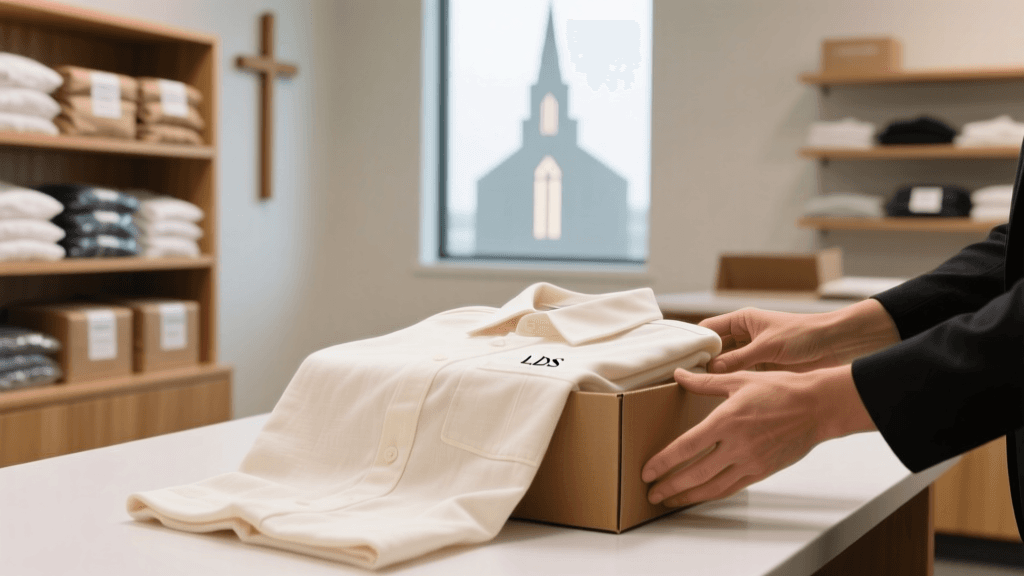
The logistics of acquiring temple garments have been vastly streamlined for 2026. Members can purchase garments through the Church's online distribution store or at physical distribution centers located near temples and select meetinghouses worldwide. In an effort to reduce the global carbon footprint, the Church has transitioned to a regionalized manufacturing and distribution model. This means garments are now produced in localized hubs in North America, South America, Europe, and Asia, drastically reducing shipping times and costs.
As of early 2026, the pricing structure reflects the varying costs of advanced materials. A standard two-piece set in the Cotton-Spandex blend averages $16.50 USD, while the high-tech Performance Synthetic and Eco-Modal sets are priced at approximately $19.00 USD per set. The Church maintains a subsidized pricing model to ensure garments remain accessible to all endowed members, regardless of economic status, with local bishops able to assist those in need through fast-offering funds.
Proper Care for Advanced Garment Materials
The introduction of high-tech fabrics in 2026 requires specific laundering practices to maintain their structural integrity and performance capabilities. While traditional cotton garments could withstand high heat and heavy detergents, modern blends require a gentler approach.
- Washing: Always wash moisture-wicking and modal garments in cold or warm water (never exceeding 105°F/40°C). High heat can degrade the elastane fibers, leading to sagging and loss of shape.
- Detergents: Use mild, liquid detergents. Avoid powdered detergents that may leave abrasive residue, and strictly avoid chlorine bleach, which will destroy synthetic fibers and fade the sacred markings.
- Drying: Tumble dry on low heat or hang to dry. The performance synthetic line is engineered to air-dry in under two hours, making it ideal for travelers and missionaries with limited laundry access.
- Softeners: Never use liquid fabric softeners or dryer sheets on moisture-wicking garments. Softeners coat the fibers in a waxy residue that completely blocks the fabric's ability to wick away sweat.
Conclusion: Honoring Covenants with Modern Comfort
The 2026 updates to LDS temple garments represent a harmonious blend of deep spiritual reverence and cutting-edge textile innovation. By offering a diverse array of sustainable, high-performance, and ergonomically designed options, the Church ensures that members can honor their sacred covenants comfortably in any environment. Whether navigating a humid jungle on a mission, sitting in a corporate boardroom, or competing in collegiate athletics, modern members are equipped with garments that support their active lives while keeping their most sacred promises close to their hearts.