LDS Temple Garment Shopping Guide 2026: Where & How to Buy
Navigating LDS Temple Garment Shopping in 2026
For endowed members of The Church of Jesus Christ of Latter-day Saints, the temple garment is a deeply sacred item of clothing. It serves as a physical reminder of the covenants made within the temple, providing spiritual protection and a constant connection to divine promises. As outlined in the Gospel Topics Essay on Temple Garments, these garments are treated with profound reverence, distinct from ordinary apparel.
As we move through 2026, the landscape of purchasing these sacred items has become more streamlined, accessible, and tailored to the diverse climates and lifestyles of members across the Americas and the globe. The Church has significantly optimized its supply chain and digital storefront, making it easier than ever to order, customize, and receive garments. However, because of their sacred nature, the purchasing process is strictly regulated and differs vastly from buying standard clothing. This comprehensive guide will walk you through exactly where and how to buy LDS temple garments in 2026, including a detailed breakdown of the current fabric lineup, style options, and care instructions.
Prerequisites: Who Can Purchase Temple Garments?
Before exploring where to shop, it is vital to understand the strict prerequisites for purchasing. Temple garments are not available to the general public, nor can they be purchased as gifts for unendowed individuals. To buy garments, you must meet the following criteria:
- Endowment Status: You must have received your own endowment in a dedicated temple.
- Church Account Verification: Your official Church Account (linked to your membership record) must reflect your endowed status. The online store and physical distribution centers use this digital verification to unlock the garment purchasing portal.
- Temple Recommend: While you do not necessarily need an active, unexpired temple recommend to purchase garments (as members are encouraged to wear them daily regardless of their current recommend status), your membership record must be in good standing and reflect your endowment.
If you are a newly endowed member, your bishop or branch president will ensure your membership record is updated immediately following your temple session, granting you access to the Official Church Distribution Store within a few days.
Where to Buy: Official Channels for 2026
Unlike modesty wear or garment-friendly outerwear, the actual marked temple garments are produced and distributed exclusively by the Church. You will not find authentic temple garments on third-party retail sites like Amazon, Etsy, or local department stores. In 2026, members have two primary avenues for purchasing:
1. The Online Church Store
The vast majority of members in the Americas now purchase their garments online via the official Church store. The 2026 digital storefront features high-resolution imagery, detailed sizing charts, and real-time inventory tracking. Online ordering is highly recommended for members who live far from a physical distribution center, as it offers the widest selection of sizes, fabrics, and specialized styles (such as maternity or military-specific cuts).
2. Physical Distribution Centers
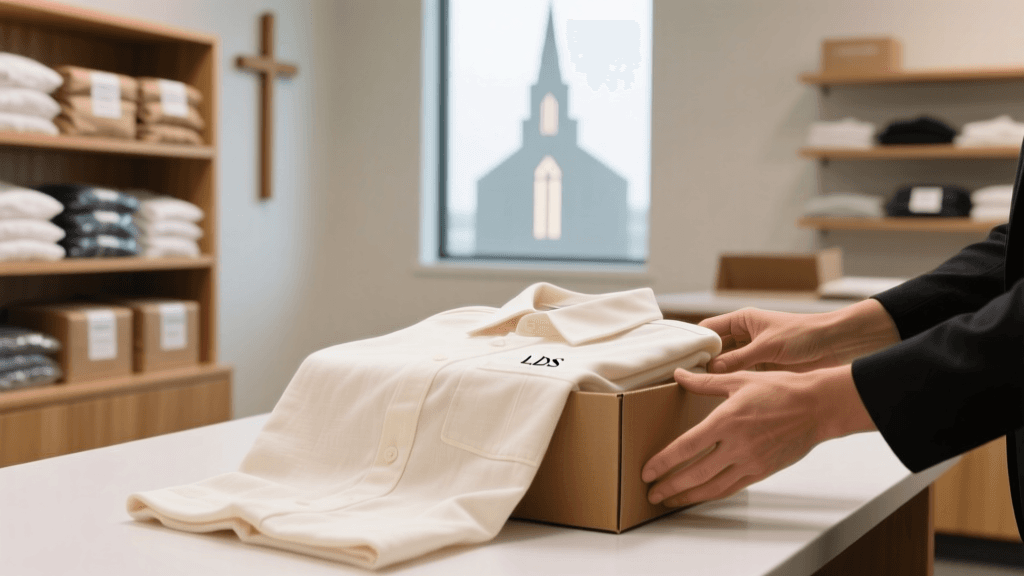
Physical Church Distribution Centers are primarily located in areas with high concentrations of Latter-day Saints, such as Utah, Idaho, and Arizona, as well as adjacent to major temples across North and South America. Shopping in person offers the distinct advantage of trying on different fabrics and sizes before purchasing. If you plan to visit a physical center in 2026, it is highly advisable to call ahead or check the local inventory portal on the Church app, as specific sizes and niche fabrics (like the Mesh line) can occasionally experience localized stock shortages.
Understanding the 2026 Garment Fabric Lineup
One of the most significant advantages of the modern purchasing experience is the variety of fabrics available. The Church has continuously refined its textile offerings to accommodate the diverse climates of the Americas—from the humid tropics of Central America to the arid heat of the American Southwest and the freezing winters of Canada. Below is a comparison of the primary fabrics available in 2026:
| Fabric Type | Material Composition | Best Climate / Use Case | Key Features |
|---|---|---|---|
| Carment | Cotton / Polyester Blend | Temperate climates, everyday wear, office environments. | Classic feel, highly durable, retains shape well after repeated washing. The traditional standard. |
| Stretch | Cotton / Spandex Blend | Active lifestyles, athletic wear, form-fitting outerwear. | Offers flexibility and a modern, tailored fit. Excellent for members who wear slim-fit clothing or exercise frequently. |
| Mesh | Polyester / Spandex Blend | Tropical, humid, or extreme summer heat. | Highly breathable, moisture-wicking, and lightweight. Dries incredibly fast, making it ideal for humid regions. |
| Modesty / Thermal | Cotton / Thermal Blends | Cold winters, outdoor labor in freezing conditions. | Provides an extra layer of insulation while maintaining the required markings and coverage. |
Style Options: Men's and Women's Lineups
In recent years leading up to 2026, the Church has vastly expanded the style options available, particularly for women, to ensure that garments can be worn comfortably with a wide variety of modern wardrobes without compromising modesty or sacred coverage.
Women's Styles
Women can choose from several neckline and sleeve variations to accommodate different outerwear styles. The 2026 lineup includes:
- Crew / Round Neck: The traditional cut, ideal for high-necked blouses and modest everyday wear.
- Scoop Neck: A wider, lower neckline designed to remain hidden under open-collared shirts or wider necklines.
- V-Neck: Perfect for V-neck sweaters, cardigans, and wrap dresses.
- Cap Sleeve: Offers slightly more shoulder coverage, ideal for wearing under sleeveless or wide-armhole tops where the garment edge might otherwise be visible.
- Maternity: Specially designed with extra room and stretch in the midsection to accommodate pregnancy comfortably.
Men's Styles
Men's tops generally come in Crew and V-neck styles, paired with a variety of bottom options including traditional boxer cuts, brief cuts, and longer athletic boxer-brief cuts designed to prevent riding up during physical activity.
Step-by-Step Guide to Ordering Online
If you are purchasing garments online in 2026, follow these actionable steps to ensure a smooth transaction:
- Log In: Access the Church store and log in using your official Church Account credentials.
- Navigate to Garments: Select the 'Garments' category from the main menu. The system will automatically verify your endowed status.
- Select Gender and Category: Choose between Men's, Women's, or Youth (for endowed young adults, though rare, specific sizing is available).
- Choose Fabric and Style: Select your preferred fabric (e.g., Stretch) and style (e.g., V-Neck Top and Boxer Bottom).
- Consult the Sizing Chart: Do not guess your size. Use a soft measuring tape to measure your chest, waist, and hips, and compare them against the interactive 2026 digital sizing chart provided on the product page.
- Add to Cart and Checkout: Review your order. Shipping is generally subsidized and highly efficient, with most domestic US and Canadian orders arriving within 5 to 7 business days.
Garment-Friendly Outerwear: Shopping the American Market
While the Church provides the garments themselves, members often need to purchase 'garment-friendly' outerwear. In the Americas, a robust market of modest fashion brands has emerged to cater specifically to Latter-day Saint women and men. When shopping for outerwear in 2026, look for brands that advertise 'modest necklines,' 'higher armholes,' and 'longer hemlines.' Many boutique brands based in Utah and Idaho specialize in dresses, activewear, and professional attire designed specifically to conceal the lines and edges of temple garments, allowing members to participate fully in American fashion trends while maintaining their sacred covenants. For more information on preparing for temple attendance and understanding modesty standards, refer to the Temple Preparation Resources.
Care, Maintenance, and Respectful Disposal
Proper care extends the life of your garments and maintains their reverence. The 2026 fabric blends are designed for modern washing machines, but specific care is required:
- Washing: Wash in cold or warm water with like colors. Use a mild detergent.
- Bleach Warning: Never use chlorine bleach. Bleach degrades the spandex in Stretch and Mesh fabrics, causing them to lose their shape, and it can damage the sacred markings.
- Drying: Tumble dry on low heat. High heat will shrink the cotton blends and destroy the elastic fibers in the waistbands and leg openings.
Respectful Disposal
When garments become worn, stretched out, or damaged beyond repair, they must be disposed of respectfully. The standard practice is to carefully cut out the sacred marks (the compass, square, and navel/knee markers) and destroy them. The remaining fabric, now devoid of its sacred markings, can be discarded in the regular trash or repurposed as cleaning rags. If a garment is still in excellent, unworn condition but no longer fits, it may be given to another endowed member in need, but it should never be donated to general thrift stores or charities where it could end up in the hands of the unendowed.
Conclusion
Shopping for LDS temple garments in 2026 is a seamless, respectful, and highly customized experience. By understanding the prerequisites, utilizing the official Church distribution channels, and selecting the right fabric for your specific climate and lifestyle, you can ensure that your sacred clothing provides both spiritual comfort and physical ease. Whether you are ordering the breathable Mesh fabric for a humid summer in the American South or the classic Carment blend for a professional office environment, the Church's modernized distribution system ensures that your covenants are supported by high-quality, thoughtfully designed textiles.