Crafting Jingle Dress Regalia: Sourcing Cones & Ribbon in 2026
The Healing Origins of the Jingle Dress
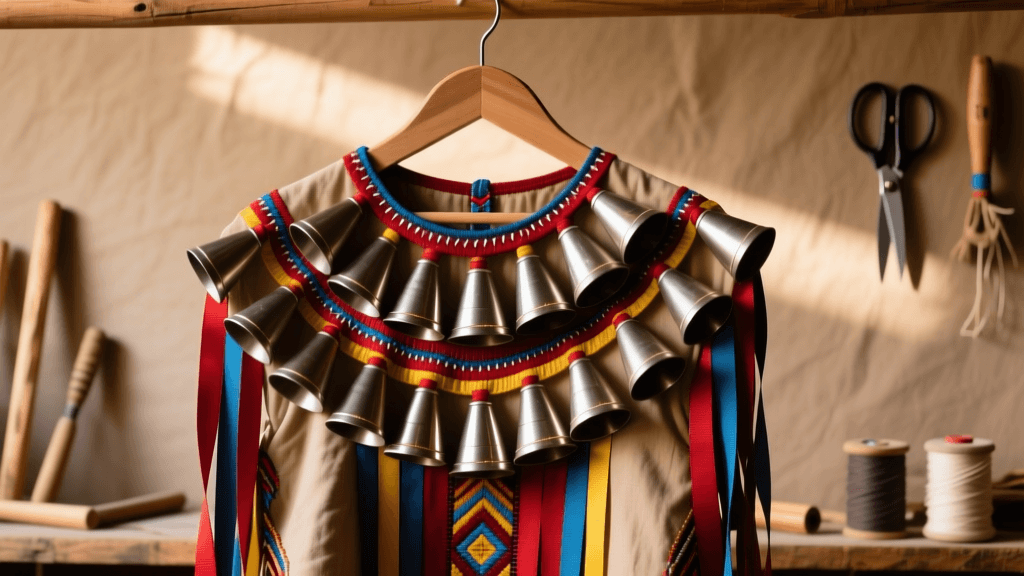
The Jingle Dress, known in the Ojibwe language as the ziibaaska'igan, is far more than a garment; it is a profound vessel of healing, prayer, and cultural resilience. Originating among the Ojibwe (Chippewa) people in the early 20th century—often traced to a medicine man's vision on the White Earth Reservation in Minnesota—the dress was created to heal a sick child. The distinctive sound of the metal cones striking one another mimics the sound of rain on a tin roof, a sonic frequency believed to carry prayers to the Creator and promote physical and spiritual wellness.
Today, the Jingle Dress dance has evolved into a pan-Indian phenomenon, featured prominently at powwows across North America. As we navigate the 2026 powwow season, a new generation of Indigenous artisans and dancers are returning to traditional construction methods while adapting to modern supply chain realities. Crafting a Jingle Dress requires a deep understanding of cultural protocols, precise measurements, and the ethical sourcing of high-quality materials.
Anatomy of the Regalia: Measurements and Layout
A standard adult Jingle Dress requires between 400 and 700 metal cones, depending on the dancer's height, the fullness of the skirt, and the desired density of the sound. The layout of the cones is not random; it is meticulously calculated to ensure that the metal pieces strike each other during the specific footwork of the dance, which requires the dancer to keep one foot close to the ground.
Cone Sizing and Spacing
- Size #2 and #3 Cones: These are the most common sizes for adult dresses. They provide the optimal balance between weight and acoustic resonance.
- Size #4 Cones: Often used for children's regalia or for intricate, detailed appliqué work on the yoke and shoulders.
- Spacing: Cones are typically spaced 1 to 1.5 inches apart horizontally, with rows staggered to allow the cones to overlap and collide. The bottom row should hang at least 4 to 6 inches above the ground to prevent the regalia from touching the earth, a strict cultural protocol in many communities.
Sourcing Metal Jingles in the 2026 Market
The global metals market has experienced notable shifts in 2026, impacting the cost and availability of regalia supplies. Due to recent tariffs on imported brass and silver-plating materials, many dancers are pivoting toward domestically sourced galvanized steel or supporting Native-owned metalworkers who hand-roll cones from recycled tin and copper.
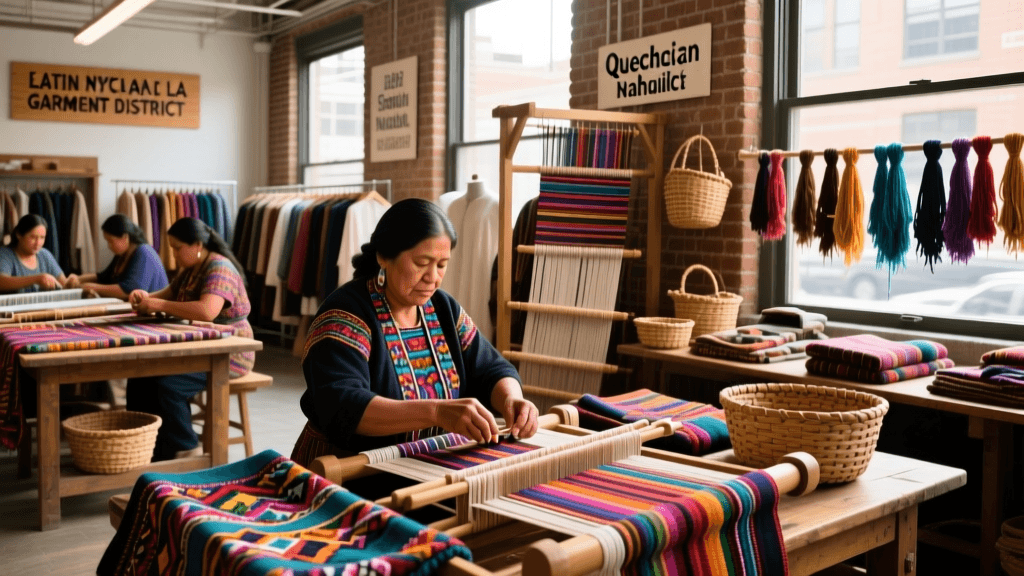
When purchasing regalia components, it is vital to support authentic Indigenous economies. The Indian Arts and Crafts Board provides excellent resources and directories for verifying Native-owned businesses, ensuring your investment directly supports Indigenous artisans rather than mass-market importers.
2026 Metal Cone Comparison Chart
| Cone Material | Average Price (per 100) | Sound Profile | Durability & Care |
|---|---|---|---|
| Raw Tin | $15 - $22 | Deep, muted resonance | Prone to rust; requires regular oiling and careful storage. |
| Galvanized Steel | $28 - $38 | Bright, sharp ring | Highly durable, weather-resistant; ideal for outdoor powwows. |
| Silver-Plated Brass | $55 - $75 | Crisp, melodic chime | Premium finish, tarnish-resistant; best for competition regalia. |
| Hand-Rolled Copper | $80 - $100 | Warm, earthy tone | Develops a natural patina; supports traditional metalworking arts. |
Fabric and Ribbon Appliqué Selection
The foundation of a Jingle Dress must be robust enough to support several pounds of metal and withstand the kinetic stress of the dance. In 2026, broadcloth remains the gold standard for traditional makers. While wool broadcloth is historically accurate and drapes beautifully, modern cotton-polyester blends are frequently chosen for their breathability during hot summer powwows and their ease of care.
Ribbon Appliqué Techniques
Ribbon work is a hallmark of Great Lakes and Plains Indigenous textile arts. For a Jingle Dress, ribbons are used to create geometric patterns on the yoke, sleeves, and hem.
- Material: 100% polyester ribbons are highly recommended over nylon. Polyester offers superior colorfastness and resists fraying when cut on the bias.
- Widths: Standard appliqué utilizes 3/8-inch and 1/2-inch widths. Using a combination of widths creates depth and shadow in the geometric patterns.
- Stitching: Master regalia makers use a blind stitch or a very tight zigzag stitch with monofilament thread to secure folded ribbons, ensuring the thread remains invisible against the vibrant fabric.
Assembly Techniques for Longevity
The most common point of failure in a Jingle Dress is the fabric tearing around the cone attachments. The metal cones act as small pendulums; over hours of dancing, the friction can saw through standard thread and fabric.
Reinforcement Strategies
To prevent tearing, modern makers in 2026 utilize heavy-duty twill tape or cotton bias binding on the inside of the garment. Instead of sewing the cone directly to the broadcloth, the cone's wire or string loop is anchored through the twill tape, which distributes the kinetic weight across a wider surface area.
Furthermore, never use standard cotton-wrapped polyester thread for attaching cones. Invest in heavy-duty nylon upholstery thread or waxed sinew. When tying off the cones, leave exactly enough slack so the cone hangs freely, but not so much that it tangles with its neighbor. A drop of clear, flexible fabric glue on the interior knot will prevent the ties from unraveling during the competition season.
Cultural Protocols and Powwow Etiquette
It is imperative to remember that a Jingle Dress is sacred regalia, not a costume. The creation process is often accompanied by fasting, prayer, and the giving of tobacco to elders who offer guidance. The National Endowment for the Arts National Heritage Fellowships frequently honors master Indigenous regalia makers and dancers who have dedicated their lives to preserving these sacred protocols and passing them down to the youth.
'The Jingle Dress is a living entity. When you put it on, you are not just dancing for yourself; you are dancing for those who are sick, for those who have passed on, and for the healing of the community. The making of the dress is the first step in that prayer.' — Ojibwe Elder and Regalia Maker
When attending powwows, spectators must never touch a dancer's regalia without explicit permission, and if a cone falls off in the arena, specific protocols dictate that it must be retrieved by a designated veteran or elder, not the dancer themselves.
2026 Cost Breakdown and Budgeting
Creating a high-quality, competition-ready Jingle Dress is a significant financial and temporal investment. Below is an estimated budget for an adult-sized dress using mid-tier materials in 2026:
- Fabric (6 yards premium broadcloth): $120 - $180
- Metal Cones (500 galvanized steel): $140 - $190
- Ribbon (200 yards assorted polyester): $80 - $120
- Notions (Upholstery thread, twill tape, bias binding): $45 - $60
- Total Estimated Material Cost: $385 - $550
While the upfront costs and the hundreds of hours required for hand-sewing may seem daunting, the result is a garment imbued with history, prayer, and profound cultural power. By sourcing ethically and utilizing durable construction techniques, your Jingle Dress will not only sing beautifully on the powwow grounds this year but will endure as a cherished family heirloom for generations to come.