LDS Temple Garments in 2026: Meaning, Styles, and Modern Fabrics
The Sacred Foundation: Religious Meaning and Covenants
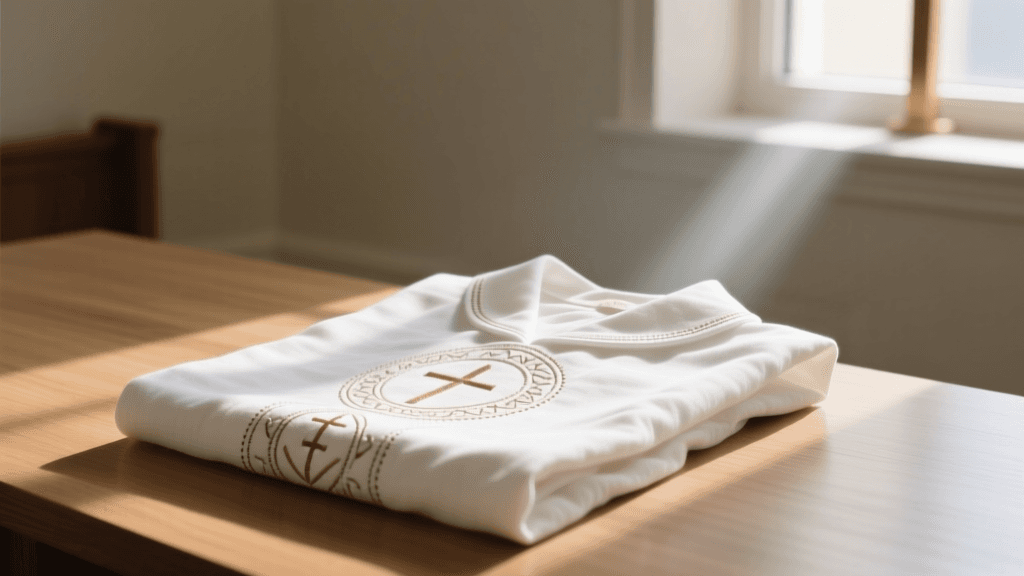
Within the diverse tapestry of religious and traditional clothing across the Americas, few garments carry as much personal, spiritual, and cultural weight as the temple garments worn by members of The Church of Jesus Christ of Latter-day Saints (often referred to as the LDS or Mormon Church). Far from being mere undergarments, these sacred vestments serve as a constant, physical reminder of the covenants made by adherents during the temple endowment ceremony. As of 2026, the intersection of deep religious devotion and modern textile innovation has resulted in a garment that honors ancient symbolism while accommodating contemporary lifestyles across North and South America.
According to the Church's official teachings, the garment represents a personal commitment to God and serves as a 'shield and protection' against worldly temptations. The subtle marks woven or embroidered into the fabric are rich in allegorical meaning, pointing the wearer's mind toward spiritual truths, the atonement of Jesus Christ, and the eternal nature of the human soul. For the millions of endowed members living in the Americas, the garment is a deeply private expression of faith, typically concealed beneath everyday clothing, yet fundamentally shaping how they interact with the world around them.
Sociological Impact and Regional Fashion in the Americas
The cultural footprint of the temple garment is particularly visible in the Intermountain West of the United States—namely Utah, Idaho, and Arizona—where Latter-day Saints make up a significant portion of the population. In these regions, the requirement to wear the garment has historically influenced local modesty standards and regional fashion retail. Because the garment covers the torso and upper thighs, members generally adhere to modesty guidelines that require outer clothing to conceal the undergarment. This translates to preferences for higher necklines, cap or full sleeves, and longer shorts or skirts that reach the mid-thigh or knee.
In 2026, regional retailers in the Americas continue to adapt to this demographic. Activewear brands, swimwear designers, and professional clothing lines based in Salt Lake City and surrounding areas frequently offer 'garment-friendly' cuts. This unique sociological phenomenon demonstrates how a private religious covenant can subtly dictate public fashion trends, creating a distinct regional aesthetic that balances modern style with sacred observance.
Historical Evolution: From 19th-Century Union Suits to 2026 Textiles
When the endowment was first introduced in the 1840s, the garment resembled the standard one-piece union suits of the 19th century, featuring long sleeves and full-length legs. Over the decades, as global fashion and textile manufacturing evolved, the Church gradually authorized modifications to the garment's cut and fabric to ensure it remained practical for members living in diverse climates and engaging in modern activities.
By the mid-20th century, the two-piece style (a separate top and bottom) was introduced, offering greater flexibility. Today, in 2026, the Church's Distribution Services provides a highly specialized catalog of garments engineered for specific environmental and physical demands. From the humid tropics of Central and South America to the freezing winters of the Canadian prairies, modern members have access to fabrics that regulate temperature, wick moisture, and provide compression without compromising the sacred symbols or the required coverage.
2026 Garment Styles: A Comprehensive Guide and Comparison
The current lineup of temple garments available through official Church channels and authorized retailers reflects a sophisticated approach to textile science. Below is a comparison of the primary styles available to members in 2026, highlighting their fabric compositions, ideal use cases, and current pricing.
| Garment Style (2026) | Fabric Composition | Best Use Case | Estimated Price Range (USD) |
|---|---|---|---|
| Classic Cotton | 100% Combed Cotton | Everyday wear, temperate climates, sensitive skin | $11.00 - $13.00 per piece |
| Cooling Modacrylic | Modacrylic / Cotton Blend | Hot, humid climates (e.g., Latin America, US South) | $13.50 - $15.50 per piece |
| Athletic Performance | Moisture-Wicking Polyester / Spandex | Gym workouts, running, high-sweat activities | $16.00 - $18.50 per piece |
| Maternity Panel | Stretch Cotton / Bamboo Viscose | Pregnancy and postpartum comfort | $14.00 - $16.00 per piece |
| Ultra-Light Mesh | Micro-Mesh Nylon Blend | Extreme heat, tropical travel, outdoor labor | $15.00 - $17.00 per piece |
The introduction of the Athletic Performance and Maternity Panel lines over the last few years has been widely celebrated by the membership. These designs address previous challenges related to physical fitness and pregnancy, ensuring that members do not have to choose between their health, comfort, and their religious covenants. For a detailed overview of the Church's official policies regarding the wearing and care of these garments, members frequently refer to the General Handbook's section on Temple Garments.
Navigating Sports, Swimwear, and Active Lifestyles
One of the most common challenges for endowed members in the Americas is participating in activities that require specialized or revealing clothing, such as competitive swimming, gymnastics, or beach vacations. The Church maintains that the garment should be worn at all times, but provides practical accommodations for these scenarios.
In 2026, the market for 'garment-compatible' swimwear has expanded significantly. Women often utilize specialized swim skirts, tankinis, or rash guards that provide the necessary coverage over the garment top and bottom. For competitive swimmers or athletes who must wear standard uniforms, the Church permits the temporary removal of the garment during the activity, provided it is replaced immediately afterward. Furthermore, specialized waterproof pouches and discreet athletic bags have become popular accessories among LDS youth and young adults, allowing them to safely store their garments in locker rooms without drawing unwanted attention.
For those seeking deeper historical and theological context on how these practices developed, the Church's Gospel Topics Essay on Temple Garments provides an authoritative, scholarly overview of the symbolism and the evolution of the endowment ceremony.
Sourcing, Purchasing, and Care Guidelines in 2026
Temple garments are not sold in mainstream department stores. They are exclusively distributed through the Church's official Distribution Services network, which includes physical stores located near temples and chapels across the Americas, as well as a secure online portal accessible only to endowed members with a current temple recommend. Some authorized third-party retailers, such as Deseret Book, also carry select styles and accessories.
As of 2026, purchasing garments requires a valid temple recommend number, ensuring that the sacred nature of the clothing is respected and that it is only sold to those who have made the associated covenants. The online ordering system has been highly optimized, offering detailed sizing charts, virtual fitting guides, and subscription-style auto-replenishment options to help members maintain an adequate supply.
Caring for the garments requires specific attention. Because the symbols are sacred, members are instructed to treat the garments with respect, even when laundering them. They are typically washed in cold or warm water with mild detergents and tumble-dried on low heat to preserve the elasticity of modern spandex blends and prevent the shrinking of cotton fibers. Worn or damaged garments are not thrown in the regular trash; instead, members are instructed to carefully cut out the sacred marks and destroy them privately before discarding the remaining fabric, a practice that underscores the profound reverence held for the garment's symbolism.
Conclusion: A Living Tradition
The temple garment remains one of the most unique and defining elements of Latter-day Saint culture in the Americas. It is a garment of paradox: entirely hidden from public view, yet completely visible in the modest choices, ethical behaviors, and cultural footprint of the people who wear it. As textile technology continues to advance into 2026 and beyond, the physical comfort and utility of the garment will only improve, but its core purpose remains unchanged. It is a quiet, intimate anchor to the divine, woven into the very fabric of daily life for millions of believers across the Western Hemisphere. For more information on acquiring temple clothing and garments, members can visit the official Church Distribution Temple Clothing and Garments portal.