Jingle Dress Regalia Guide 2026: Sourcing & Sewing Tips
The Enduring Legacy of the Jingle Dress
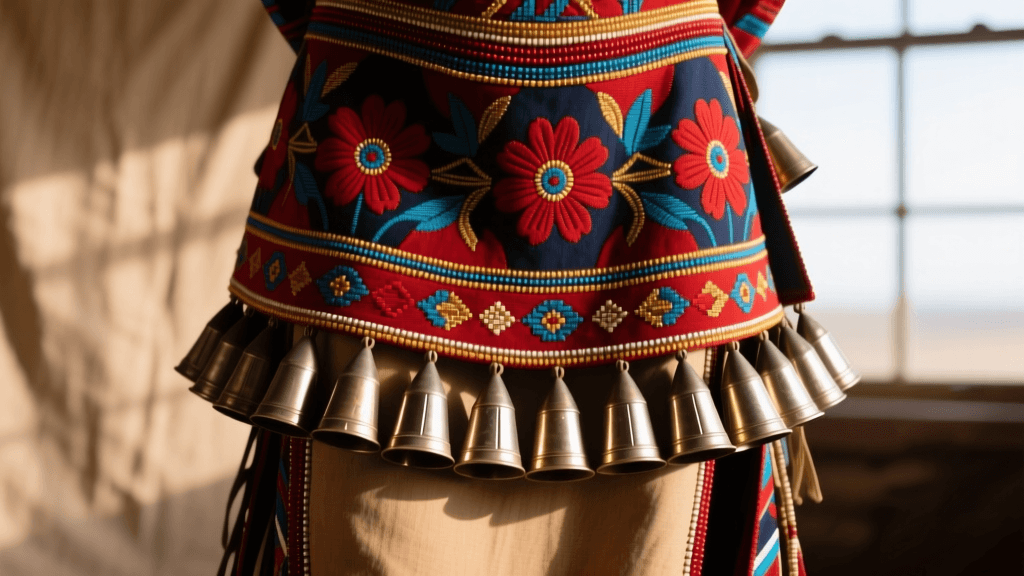
The jingle dress, often referred to as a prayer dress, is one of the most sacred and recognizable garments in Native American powwow culture. Originating from the Ojibwe (Chippewa) people in the early 20th century, the dress was born from a vision of healing. According to oral traditions, a medicine man was given a vision of a dress adorned with metal cones that, when danced in, would produce a sound like rain on a tin roof, bringing healing to his sick granddaughter. Today, the jingle dress dance is a staple at powwows across North America, celebrated not just as a competitive dance style, but as a profound spiritual practice and a symbol of Indigenous resilience and medicine.
As we prepare for the 2026 powwow season, the demand for authentic, high-quality regalia materials has surged. Whether you are a seasoned dancer updating your wardrobe or a community elder crafting a first dress for a youth dancer, understanding the nuances of material sourcing, fabric weight, and construction techniques is essential. This guide provides actionable, up-to-date advice for creating a jingle dress that honors tradition while withstanding the rigorous demands of the modern powwow circuit.
Sourcing Authentic Materials for the 2026 Season
Creating a jingle dress requires a careful balance of textiles, ribbons, and, most importantly, the metal cones (jingles). In 2026, supply chains for specialized Native American craft materials have stabilized, but quality varies wildly between mass-produced importers and specialized heritage traders. When sourcing materials, it is highly recommended to support Native-owned businesses and established traders who understand the cultural significance of the items they sell. Institutions and community hubs like those referenced on Powwows.com frequently highlight reputable vendors and provide community-vetted recommendations for regalia makers.
Selecting the Right Fabric
The foundation of any jingle dress is the fabric. Historically, heavy cotton broadcloth was the standard. However, for the 2026 season, many regalia makers are transitioning to medium-weight cotton-polyester blends (typically 6 to 7 ounces per square yard). These modern blends offer the drape and breathability of cotton but possess the tensile strength of polyester, which is critical when supporting the heavy weight of hundreds of metal cones.
- Base Fabric: Avoid lightweight quilting cottons, as they will tear under the stress of the cones. Opt for broadcloth, poplin, or specialized dance-weight blends.
- Ribbon Applique: Satin and nylon ribbons are used to create the geometric patterns on the skirt and bodice. In 2026, double-faced satin ribbons (1 inch to 1.5 inches wide) are preferred for their clean edges and vibrant color retention.
- Lining: A lightweight cotton voile or muslin lining is essential to protect the dancer's skin from the scratchy interior seams and the pinched fabric where the cones are attached.
Metal Cones: Rolled vs. Stamped
The "jingles" themselves are the heart of the regalia. The sound they produce is meant to mimic the sound of rain, which is deeply tied to the healing nature of the dance. When shopping for cones in 2026, you will generally encounter three main categories. Understanding the differences in sound, material, and price is crucial for your budget and the dress's intended use.
| Cone Type | Material | Sound Profile | 2026 Avg. Cost (per 100) | Best Application |
|---|---|---|---|---|
| Hand-Rolled | German Silver / Nickel Silver | Deep, resonant, melodic rain | $95 - $140 | Traditional, healing, and adult competition dances |
| Machine-Stamped | Tin or Aluminum | Sharp, bright, loud clatter | $25 - $45 | Youth dancers, beginners, and practice regalia |
| Copper-Plated | Brass Base | Warm, muted, rhythmic chime | $65 - $100 | Contemporary exhibition and specialized regional styles |
Hand-rolled cones are crafted by artisans who curl flat sheets of metal into a trumpet shape, leaving a distinct seam that allows the cone to vibrate fully. This creates the signature deep, soothing sound. Machine-stamped cones are punched from a single sheet, making them cheaper and more durable, but their sound is noticeably sharper and less resonant. For a serious adult dancer competing in the 2026 season, investing in hand-rolled German silver cones from heritage suppliers like Crazy Crow Trading Post or direct Native metalsmiths is highly recommended.
Calculating Cone Count and Spacing
A common question among first-time regalia makers is: "How many cones do I need?" Tradition dictates that a true jingle dress should feature 365 cones, representing one for each day of the year, symbolizing continuous prayer and healing. However, modern variations, especially for children or specific dance styles, may use fewer.
The Math of Spacing
To achieve the correct sound and visual flow, the cones must be spaced precisely. If they are too close together, they will tangle and muffle the sound. If they are too far apart, the dress will lack the signature "rain" effect.
- Vertical Spacing: Cones should be staggered in rows. A standard measurement is to place rows 2.5 to 3 inches apart vertically.
- Horizontal Spacing: Within each row, cones should be spaced 1.5 to 2 inches apart.
- Staggering: The cones in row two should hang in the gaps of row one, creating a diamond or brick-like pattern. This prevents the metal from clumping together during the dancer's footwork.
For a standard adult skirt with a 45-inch circumference and a 30-inch drop, you will typically need between 250 and 365 cones, depending on the density of your chosen pattern.
Step-by-Step Construction and Sewing Techniques
Sewing a jingle dress requires heavy-duty techniques. The combined weight of 300+ metal cones, heavy broadcloth, and ribbon applique can easily exceed 10 pounds. Standard sewing methods will result in popped seams and torn fabric before the first powwow is over.
Reinforcing the Attachment Points
Never sew a jingle cone directly to the base fabric without reinforcement. The constant bouncing and pulling will shred the broadcloth.
- Twill Tape Method: Cut 1/2-inch wide cotton twill tape into 3-inch lengths. Fold the tape in half to create a loop. Sew the raw ends of the twill tape securely to the base fabric, ensuring you backstitch multiple times. The metal cone is then tied to this loop using heavy-duty sinew, waxed cotton thread, or small leather thongs.
- Ribbon Backing: Some makers prefer to attach the cones directly through the satin ribbon applique. If you choose this method, you must use a heavy-duty interfacing behind the ribbon to provide the necessary structural support.
Machine Setup for 2026
When constructing the bodice and attaching the heavy ribbons, ensure your sewing machine is equipped with a Walking Foot attachment. A walking foot feeds the top and bottom layers of fabric evenly, preventing the slippery satin ribbons from shifting or puckering against the cotton base. Use Size 16/100 or 18/110 Denim/Leather needles. These needles have a reinforced shaft that will not bend or break when piercing through multiple layers of fabric, interfacing, and twill tape. Always use a high-quality polyester core-spun thread (like Gutermann Mara 70) for all structural seams.
Caring for and Storing Your Regalia
Proper care ensures that a jingle dress can be passed down through generations. The metal cones are susceptible to tarnishing and rust, especially when exposed to the sweat and humidity of summer powwows.
- Post-Powwow Care: After every event, hang the dress in a well-ventilated, shaded area to allow any moisture to evaporate. Never store a damp jingle dress.
- Polishing: For German silver and brass cones, use a gentle, non-abrasive jewelry polishing cloth once a season to maintain the luster. Avoid harsh chemical dips, which can strip the protective patinas and weaken the metal over time.
- Storage: Store the dress in a breathable, unbleached cotton garment bag. Never use plastic dry-cleaning bags or plastic storage bins, as these trap moisture and accelerate oxidation and rust on the metal cones. Include silica gel packets or natural cedar blocks in the storage area to control humidity.
Honoring the Tradition
As you cut, sew, and tie each of the hundreds of cones for the 2026 season, remember that the creation of a jingle dress is an act of prayer in itself. Many elders advise makers to maintain a good mind and a positive spirit while working on the garment, as the energy put into the dress will resonate in its sound. By sourcing quality materials, utilizing robust construction techniques, and respecting the Ojibwe origins of the garment, you contribute to the vibrant, living history of Indigenous North American textile arts. For further historical context and educational resources on powwow traditions, the archives at the Smithsonian National Museum of the American Indian remain an invaluable resource for dancers and makers alike.