Buying Authentic Oaxacan Zapotec Huipils: 2026 Guide
The Enduring Legacy of the Zapotec Huipil
Latin American traditional garments represent a profound intersection of history, spirituality, and masterful craftsmanship. Among the most iconic and culturally significant of these textiles is the Oaxacan Zapotec huipil. As we navigate the global textile market in 2026, the demand for authentic indigenous clothing has surged. However, this heightened interest has also brought an influx of mass-produced imitations. For collectors, cultural enthusiasts, and ethical fashion advocates, understanding the intricate details of the Zapotec huipil is no longer just an academic exercise—it is essential for preserving indigenous livelihoods and honoring centuries-old traditions.
The huipil is far more than a simple tunic; it is a wearable codex. Each garment tells the story of the weaver’s community, her marital status, and her cosmological beliefs. In 2026, purchasing an authentic piece requires a discerning eye and a commitment to ethical sourcing, ensuring that the financial benefits of the global textile trade flow directly back to the indigenous women who keep these ancestral techniques alive.
Anatomy of the Garment: The Backstrap Loom
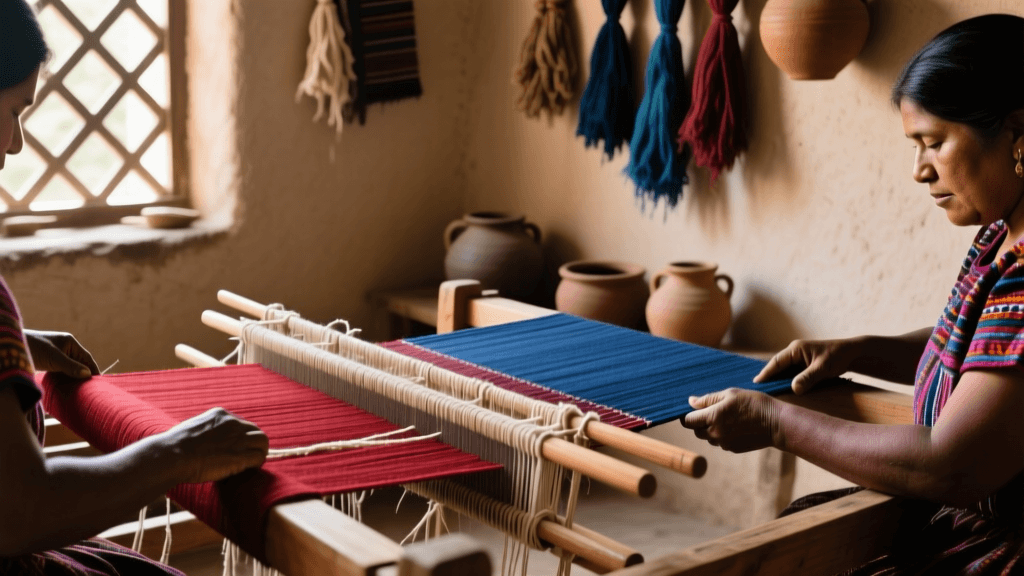
To understand the value of a genuine Zapotec huipil, one must first understand the technology used to create it. The traditional telar de cintura, or backstrap loom, has been utilized in Mesoamerica for millennia. Unlike European floor looms that rely on rigid wooden frames, the backstrap loom is an extension of the weaver’s own body. One end of the warp threads is tied to a sturdy post or tree, while the other end is attached to a belt that wraps around the weaver’s lower back.
This intimate connection between artisan and loom allows for unparalleled control over the tension of the threads. By leaning forward or backward, the weaver adjusts the warp tension with microscopic precision. This technique results in a fabric that is incredibly dense, durable, and uniquely textured. A standard huipil is constructed from three separate panels of hand-woven cotton, which are then joined together using a highly decorative, intricate needlework seam known as the randa. The randa itself is a hallmark of authenticity; machine-made garments will simply feature a flat, utilitarian stitch, whereas a true artisan randa resembles a delicate, woven lace that connects the panels seamlessly.
Natural Dyes: The Colors of Oaxaca
In 2026, the revival of pre-Columbian natural dyeing techniques has become a major focal point for high-end Zapotec cooperatives. While everyday huipils may utilize commercial threads, ceremonial and master-weaver garments rely on organic, locally sourced dyes that require months of preparation.
- Cochineal (Red and Purple): Derived from the Dactylopius coccus insect that lives on nopal cacti, cochineal produces vibrant crimsons, deep purples, and soft pinks depending on the mordant used (such as lime juice or alum).
- Indigo (Blue): Extracted from the leaves of the añil plant through a complex fermentation and oxidation process, yielding rich, colorfast blues that have been prized since the era of the Aztec empire.
- Huizache (Black): The pods of the huizache tree are boiled with iron-rich mud to create a deep, permanent black dye that is remarkably resistant to fading.
- Marigold and Pecan (Yellows and Browns): Cempasúchil (marigold) flowers provide bright yellows, while pecan shells and local barks offer warm, earthy browns.
Decoding Zapotec Symbolism
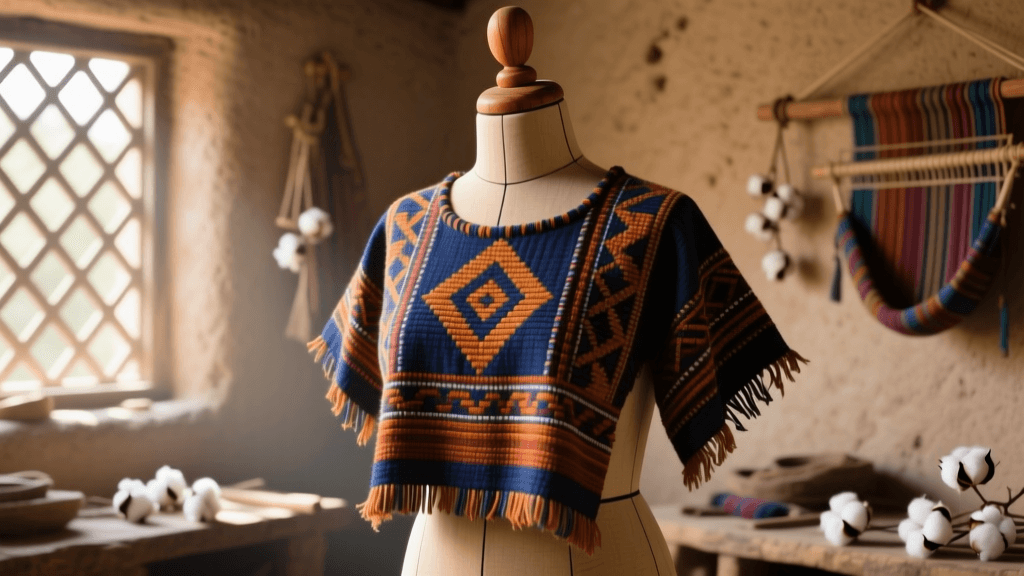
The motifs woven into the supplementary weft (brocade) of a Zapotec huipil are deeply symbolic. The most prevalent design is the rombo, or diamond. This shape represents the four cardinal directions, the cycle of the sun, and the universe's eternal balance. When you see a diamond within a diamond, it often symbolizes the duality of life and death, or the physical and spiritual realms.
Other common motifs include the frog, which is a potent symbol of rain, fertility, and the arrival of the planting season. The double-headed eagle, a motif introduced during the Spanish colonial period but thoroughly indigenized, represents the dual nature of vision—looking simultaneously to the past (ancestors) and the future (descendants). In 2026, master weavers are also incorporating contemporary environmental motifs, reflecting modern indigenous activism and land conservation efforts.
The 2026 Market Landscape: Navigating Imitations
The current 2026 textile market is heavily saturated with 'ethnic-inspired' clothing that appropriates Zapotec designs without benefiting the source communities. Fast-fashion conglomerates and digital print-on-demand services frequently scan authentic huipils and reproduce the patterns onto polyester blends using sublimation printing. Furthermore, some commercial workshops utilize jacquard power looms to mimic the raised texture of traditional brocade weaving.
Distinguishing between a genuine hand-woven artifact and a 2026 digital replica requires careful inspection. The cultural and economic stakes are high; purchasing a fake not only funds exploitative labor practices but also dilutes the cultural heritage of the Zapotec people. Institutions like the Museo Textil de Oaxaca play a pivotal role in educating buyers and certifying artisan cooperatives to combat this widespread appropriation.
Authentication Guide: Spotting True Artisan Work
When evaluating a Zapotec huipil in a boutique, gallery, or online marketplace, apply these four critical authentication tests:
1. The Brocade vs. Embroidery Test
True Zapotec patterns are created using a supplementary weft technique (brocade), where the decorative threads are woven into the fabric as it is being created on the loom. Turn the garment inside out. If the pattern is visible on the reverse side (albeit with floating threads or a slightly messier appearance), it is woven. If the reverse side shows a stark white background with messy, knotted stitching, the design was embroidered onto pre-existing commercial cloth by machine or hand after the fact.
2. The Selvedge and Tension Check
Examine the side edges (selvedges) of the panels. A backstrap-woven fabric will have perfectly finished, continuous selvedges that do not unravel. Furthermore, look closely at the weave density. Human weavers naturally have slight variations in tension; you may notice areas where the fabric is infinitesimally tighter or looser. Power-loomed fabrics are mathematically flawless and uniformly stiff.
3. The Scent and Fiber Test
Natural dyes and hand-spun cotton possess a distinct, earthy aroma—often smelling faintly of woodsmoke, dried herbs, or damp earth. Synthetic, chemically dyed polyester or commercial cotton will either smell like nothing or carry a harsh, petrochemical odor. Additionally, coyuche cotton (a native, naturally brown/green cotton) has a slightly rougher, more organic texture than mercerized commercial cotton.
4. The Randa Inspection
Inspect the seams joining the three panels. A genuine randa is a complex, interlocking needle-weave that acts as a structural hinge. It should be flexible and intricate. Machine-sewn garments will feature a simple, straight lockstitch or a serged overlock edge.
2026 Pricing and Value Chart
Understanding the fair market value of a huipil is crucial for ethical purchasing. In 2026, fair-trade cooperatives have established pricing structures that reflect the hundreds of hours of labor required. If a 'hand-woven' huipil is being sold for under $100 USD, it is almost certainly a factory-made imitation or the result of exploitative middlemen practices.
| Huipil Category | Primary Materials | Weaving Time | 2026 Ethical Price Range (USD) |
|---|---|---|---|
| Everyday Cotton | Commercial cotton thread, synthetic or mixed dyes | 1 - 2 Months | $150 - $350 |
| Artisan Natural Dye | Hand-spun cotton, cochineal, indigo, natural mordants | 3 - 5 Months | $500 - $950 |
| Ceremonial / Master | Native Coyuche cotton, silk accents, complex brocade | 6 - 12 Months | $1,500 - $4,000+ |
| Vintage / Antique | Historical fibers, pre-1980s natural dyes, museum-grade | N/A (Historical) | $3,000 - $10,000+ |
Ethical Sourcing: Where to Buy in 2026
The most ethical way to purchase a Zapotec huipil is directly from the weaver or through verified, woman-led cooperatives in Oaxaca. Villages such as San Bartolo Yautepec, Santo Domingo Tehuantepec, and Teotitlán del Valle are renowned for their distinct regional styles. When buying online, look for galleries and platforms that practice radical transparency, listing the weaver's name, her village, and the specific materials used.
Academic and cultural research from establishments such as The Textile Museum at George Washington University continues to document and elevate these specific regional variations, helping buyers understand the geographic origin of their textiles. Furthermore, organizations like Fashion Revolution Mexico actively campaign for supply chain transparency, providing directories of verified, ethical indigenous brands that guarantee fair wages and safe working conditions for the artisans.
Caring for Your Natural-Dye Huipil
A genuine, naturally dyed huipil is an investment that can last for generations if cared for properly. The pH balance of natural dyes makes them sensitive to harsh modern detergents.
- Washing: Never use a washing machine or standard alkaline laundry detergents. Hand wash the garment in cold water using a pH-neutral soap, such as baby shampoo or a specialized textile wash designed for natural fibers.
- Drying: Do not wring or twist the fabric, as this can distort the tension of the backstrap weave. Gently press the water out between two clean towels and lay the garment flat to dry in a shaded, well-ventilated area. Direct sunlight will rapidly degrade natural indigo and cochineal dyes.
- Storage: Store the huipil flat or loosely rolled in acid-free tissue paper. Avoid hanging it on wire or wooden hangers for long periods, as the weight of the dense, three-panel fabric will cause the warp threads to stretch and distort over time.
By understanding the profound artistry, history, and technical mastery behind the Zapotec huipil, collectors and enthusiasts in 2026 can make informed, ethical purchasing decisions that honor the indigenous women who continue to weave their universe into existence, one thread at a time.