2026 NYC & LA Garment District Sourcing Guide for Indigenous Brands
The Evolution of American Fashion Hubs in 2026
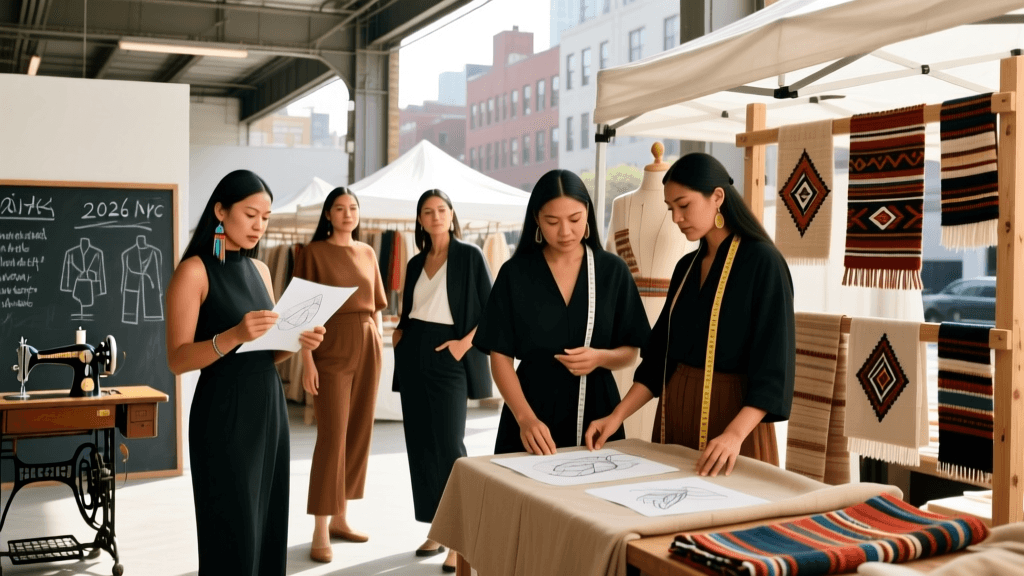
The American fashion landscape in 2026 is witnessing a profound renaissance, driven heavily by Indigenous designers and traditional textile artisans who are scaling their brands without sacrificing cultural integrity. For Native American, First Nations, and Latin American creators, transitioning from small-batch, studio-made garments to scalable, commercial production requires navigating the complex ecosystems of the United States' premier manufacturing hubs. The New York City Garment District and the Los Angeles Fashion District remain the twin pillars of American apparel production. However, the supply chain has shifted dramatically over the last few years. Nearshoring initiatives, 2026 sustainability mandates, and a renewed consumer demand for transparent, culturally respectful fashion have transformed these districts into vital partners for Indigenous-led labels.
This comprehensive guide explores how Indigenous fashion brands can ethically source, sample, and manufacture in the 2026 NYC and LA Garment Districts, ensuring that traditional motifs, sustainable fibers, and cultural intellectual property are protected throughout the commercialization process.
Decoding the Hubs: Manhattan vs. Downtown Los Angeles
Choosing between New York and Los Angeles depends entirely on your brand's category, price point, and production volume. Both districts offer unique advantages for Indigenous designers looking to integrate traditional elements with contemporary manufacturing.
New York City: The Midtown Garment District
Centered around 38th Street between Broadway and 9th Avenue, the NYC Garment District in 2026 is a highly specialized, preservation-focused zone. Thanks to recent city grants aimed at protecting legacy manufacturers, NYC is the undisputed king of high-end tailoring, complex wovens, and luxury outerwear. For Indigenous designers creating luxury couture, structured ribbon-work jackets, or high-end wool coats utilizing sustainably sheared Navajo-Churro or alpaca blends, NYC offers unparalleled access to master pattern-makers and low-minimum sample rooms. The trade-off is cost; Manhattan's commercial real estate and 2026 labor rates make it the most expensive manufacturing hub in the country.
Los Angeles: The Maple Avenue Fashion District
Spanning across Downtown LA, particularly around Maple Avenue and 9th Street, the LA Fashion District is the global epicenter for knitwear, denim, activewear, and contemporary streetwear. According to the Los Angeles Fashion District, the area has heavily invested in eco-friendly dye houses and zero-waste cutting facilities to comply with California's strict 2026 environmental regulations. For Indigenous brands focusing on everyday wear, graphic tees featuring traditional ledger art, or sustainable denim, LA provides a faster, more cost-effective pipeline with higher minimum order quantities (MOQs).
Sourcing Traditional and Sustainable Textiles
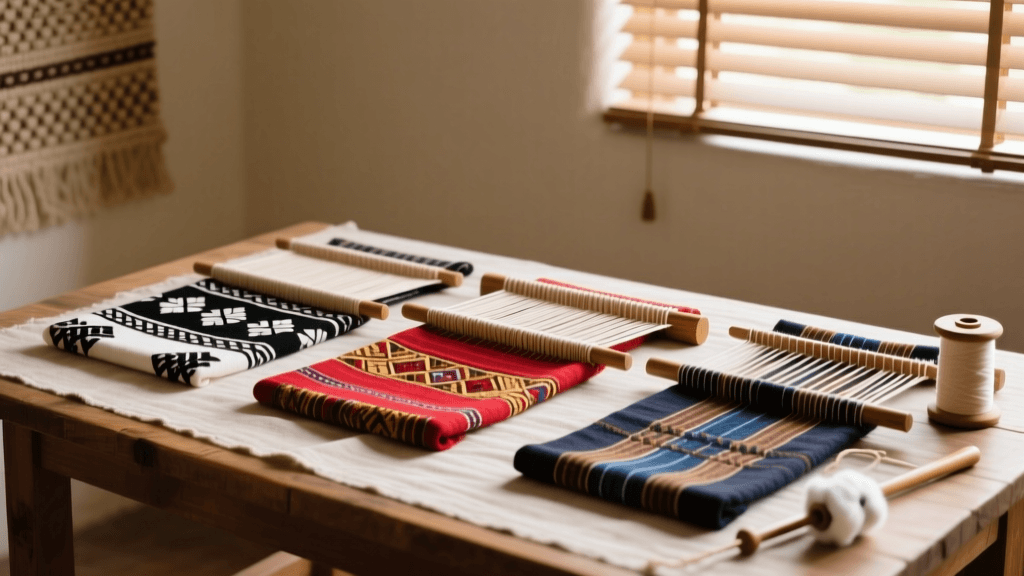
One of the greatest challenges for Indigenous designers is integrating hand-woven or culturally significant textiles into modern, machine-based production lines. District jobbers and mills in 2026 are increasingly accustomed to working with hybrid supply chains. If you are bringing your own culturally sourced materials—such as hand-woven Zapotec cotton, wild-harvested hemp, or naturally dyed yarns from tribal cooperatives—you must communicate the unique properties of these fibers to district cutting rooms.
Traditional textiles often lack the uniform tension of commercial synthetics. In LA, specialized knit-and-cut facilities on 12th Street have developed proprietary relaxation and steaming protocols to prepare artisanal yarns for automated knitting machines. In NYC, woven specialists in the Cooper Building offer manual spreading services for delicate, uneven hand-loomed fabrics, ensuring that the bias and drape of the traditional cloth are respected during the laser-cutting phase.
2026 Manufacturing Comparison: Cut-and-Sew Factories
Understanding the financial and operational differences between the two hubs is critical for your 2026 business plan. Below is a structured comparison of what Indigenous brands can expect when contracting cut-and-sew factories in New York versus Los Angeles.
| Feature | NYC Garment District (Midtown) | LA Fashion District (Downtown) |
|---|---|---|
| Primary Specialty | Tailoring, Wovens, Luxury Outerwear | Knits, Denim, Activewear, Streetwear |
| Average Sampling Cost (2026) | $150 - $250 per hour | $85 - $150 per hour |
| Standard MOQ (Production) | 50 - 150 units per style | 300 - 500 units per style |
| Lead Time (Sampling) | 3 - 5 weeks | 2 - 4 weeks |
| Best For | High-End Indigenous Couture & Wovens | Contemporary Everyday Wear & Knits |
While LA offers better margins for high-volume contemporary pieces, NYC remains the incubator for emerging luxury Indigenous houses that require meticulous, hands-on sample development before scaling overseas or to larger domestic facilities.
Translating Cultural Silhouettes into Modern Tech Packs
A tech pack is the universal language of the garment district. However, traditional Indigenous garments—such as the ribbon shirt, the huipil, or the fringed buckskin dress—do not always align with standard Western slopers and block patterns. In 2026, successful Indigenous brands bridge this gap by hiring specialized technical designers who understand both modern CAD software and traditional garment geometry.
When working with a pattern-maker in the Garment District, it is vital to provide physical references and detailed notes on the cultural significance of the garment's drape and movement. For example, a traditional ribbon shirt requires specific gusset placements and yoke constructions that allow for ceremonial movement, which a standard menswear block will not accommodate. Providing 3D digital renderings alongside physical muslin mock-ups helps district sample-makers understand the functional and cultural requirements of the silhouette.
Protecting Indigenous Intellectual Property
As your brand scales through commercial manufacturing hubs, protecting your cultural intellectual property (IP) becomes paramount. The unauthorized reproduction of sacred motifs, clan symbols, and traditional weaving patterns by fast-fashion entities remains a critical issue. When sharing your designs with district sample-makers, trims suppliers, and factories, always utilize strict Non-Disclosure Agreements (NDAs) that explicitly define traditional motifs as protected cultural IP.
Furthermore, designers must be well-versed in federal protections. The Indian Arts and Crafts Board (IACB), a division of the U.S. Department of the Interior, provides vital resources and legal frameworks to protect Native American artisans from counterfeit goods. Additionally, if your brand is manufacturing domestically to leverage the 'Made in USA' label, you must adhere to the strict guidelines outlined by the Federal Trade Commission (FTC), ensuring that 'all or virtually all' of the product's components and labor are sourced within the United States.
A 3-Day Sourcing Itinerary for Indigenous Designers
To maximize efficiency during your district visit, follow this actionable 3-day itinerary designed specifically for the needs of Indigenous and traditional fashion brands.
Day 1: Textile and Trim Sourcing
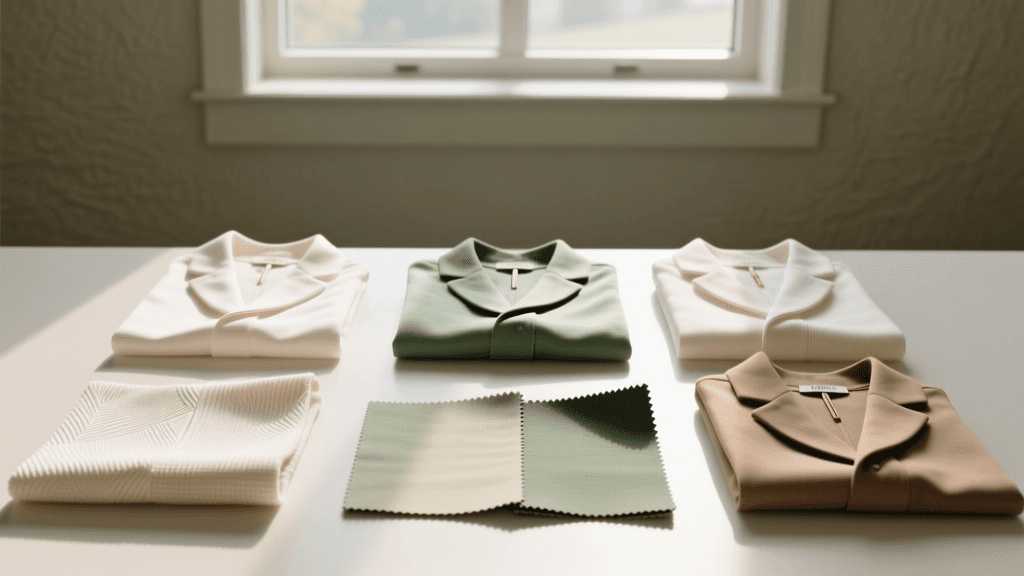
Begin your trip by visiting the major jobbers and textile showrooms. In LA, focus on the Maple Avenue jobbers for sustainable cottons and fleece. In NYC, visit the 38th Street trim shops to source high-quality ribbons, metal hardware, and sustainable linings. Bring physical swatches of your traditional textiles to match weights and colorways. Request 'header cards' and take detailed photos of every material, noting the vendor name, SKU, and minimum yardage requirements.
Day 2: Pattern Making and Sampling
Dedicate your second day to meeting with independent pattern-makers and sample rooms. Bring your finalized tech packs, physical reference garments, and your sourced textiles. Use this time to conduct 'draping sessions' on live dress forms to demonstrate how traditional garments should move and sit on the body. Establish clear timelines and payment schedules for your first prototype (toile) and final sample.
Day 3: Factory Tours and Negotiations
Spend your final day touring cut-and-sew factories. Inspect their sewing floors, looking for clean finishing, ethical labor practices, and proper handling of delicate fabrics. Discuss your production timeline, MOQs, and quality control (QC) processes. Ensure the factory has experience handling the specific trims or embellishments—such as beadwork appliques or specialized embroidery—that your Indigenous designs require.
Conclusion: Weaving the Future
The 2026 NYC and LA Garment Districts are no longer just anonymous factories; they are collaborative ecosystems capable of elevating Indigenous fashion to the global stage. By understanding the unique strengths of each hub, protecting your cultural IP, and fostering transparent relationships with ethical manufacturers, Indigenous designers can scale their brands while keeping the soul, history, and craftsmanship of their communities intact. The future of American fashion is deeply rooted in its Indigenous heritage, and these manufacturing hubs are the looms upon which that future is being woven.