2026 LDS Garment Guide: Styles, Materials & Updates
Introduction to Modern LDS Garments in 2026
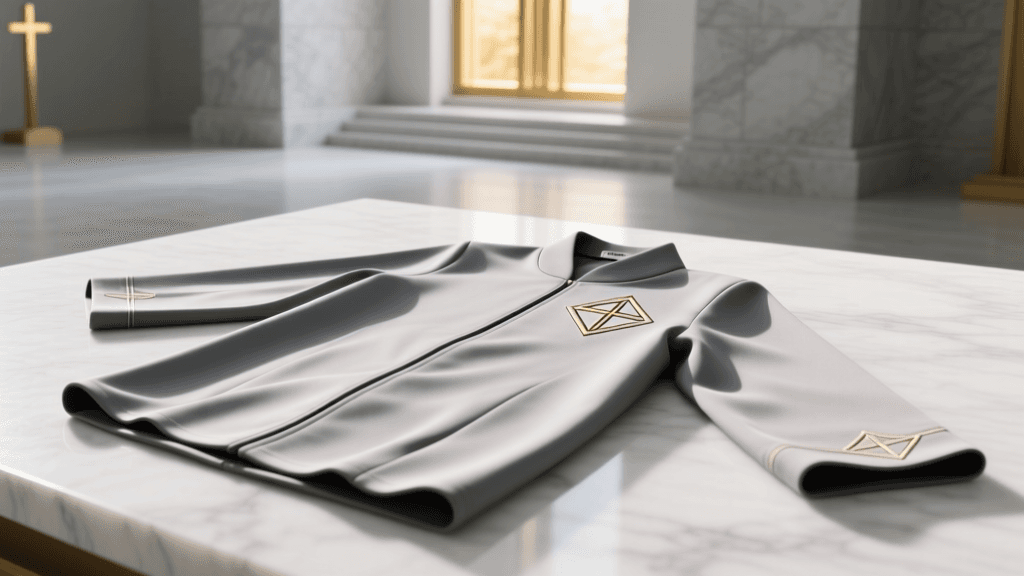
For members of The Church of Jesus Christ of Latter-day Saints, temple garments hold profound spiritual significance. They serve as a sacred, personal reminder of covenants made in the temple and provide a symbolic layer of spiritual protection. While the core purpose and sacred markings of the garments remain entirely unchanged since their introduction, the physical construction, fabrics, and styles have evolved dramatically to meet the needs of a global, modern membership. As we navigate 2026, the Church’s distribution centers and approved manufacturers have introduced advanced textile technologies, expanded sizing inclusivity, and refined styles that cater to diverse climates and lifestyles.
Whether you are preparing to receive your own endowment, looking to update your current wardrobe, or simply researching the intersection of religious dress and modern textile innovation, understanding the current landscape of LDS garment styles and materials is essential. This comprehensive 2026 guide breaks down the latest fabric options, style variations, and modern updates available to Church members today.
The Evolution of Temple Garment Materials
Historically, early temple garments were crafted from heavy, woven cotton or linen, designed in a one-piece union-suit style that provided full coverage from the wrists to the ankles. While durable, these early iterations were often uncomfortable in warmer climates and restrictive during physical labor. Over the decades, the Church adapted to member feedback, transitioning to two-piece sets in the mid-20th century and introducing synthetic blends in the 1970s and 1980s to improve durability and reduce shrinkage.
Today, the focus is on micro-climate management and stretch recovery. The 2026 catalog reflects a deep understanding of global textile engineering, offering fabrics that wick moisture, resist odor, and maintain their shape after hundreds of wash cycles. According to the official Church guidelines on temple clothing and garments, the primary objective of these material updates is to ensure that members can wear their garments comfortably day and night, regardless of their geographic location or daily physical demands.
2026 Fabric Options and Performance
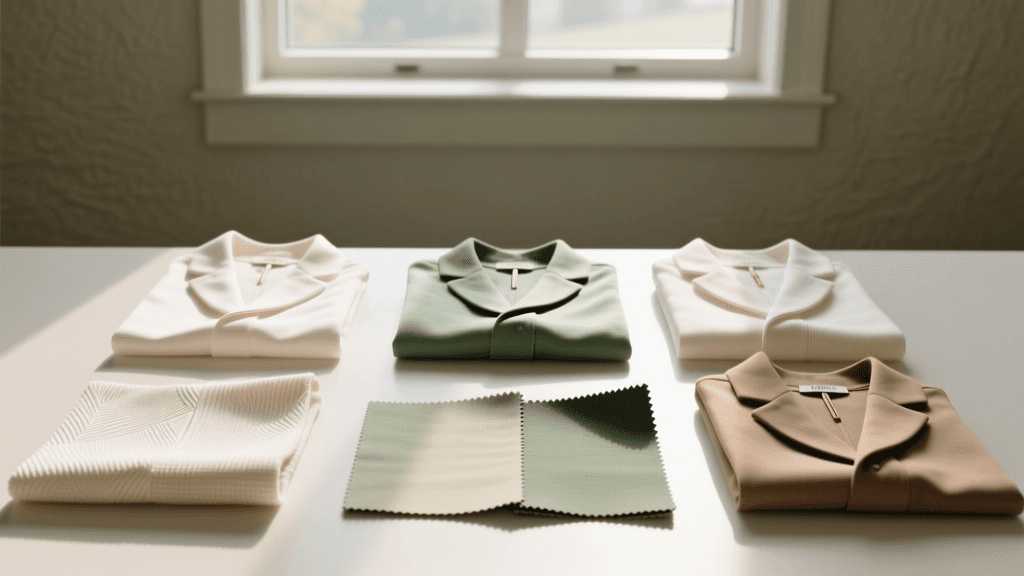
Choosing the right fabric is highly subjective and depends largely on your local climate, skin sensitivity, and daily activities. Here is a detailed look at the primary materials available in 2026:
1. 100% Cotton
The traditionalist’s choice. Cotton remains highly popular for its natural breathability and softness against the skin. However, modern 2026 cotton garments are pre-shrunk and treated with enzymatic washes to reduce the stiffness that plagued older generations of cotton garments. They are ideal for temperate climates and individuals with severe sensitivities to synthetic fibers.
2. Cotton/Polyester Blends
Blends (typically 60% cotton / 40% polyester) offer the best of both worlds. The cotton provides breathability, while the polyester adds structural integrity, significantly reducing shrinkage and extending the garment's lifespan. These are the most common everyday garments for members living in regions with distinct seasonal changes.
3. Modal and Micro-Modal
Derived from beech tree pulp, modal fabrics have surged in popularity over the last five years. In 2026, micro-modal is the premier choice for members living in tropical, humid, or extremely hot climates. It is exceptionally soft, lightweight, and possesses natural moisture-wicking properties that outperform standard cotton. It also resists pilling and fading, keeping the garments looking newer for longer.
4. Performance and Moisture-Wicking Synthetics
Designed for athletes, military personnel, and outdoor laborers, performance garments utilize advanced microfiber polyester blends. These fabrics actively pull sweat away from the body and dry rapidly. The 2026 performance line also includes anti-microbial treatments to prevent odor buildup during long shifts or intense physical exertion.
Comprehensive Style Guide for 2026
The Church offers a wide variety of cuts to accommodate modern fashion trends, professional dress codes, and personal comfort preferences. All styles maintain the required sacred markings and coverage standards.
Tops
- Crew Neck: The classic, standard cut. Provides full coverage and works well under most casual and professional shirts.
- V-Neck: Ideal for wearing under button-down dress shirts or blouses with lower necklines, ensuring the garment remains hidden.
- Scoop Neck (Women’s): A wider, curved neckline designed to remain invisible under modern women’s tops and dresses.
- Cap Sleeve & Rounded Sleeve: Offers slightly more shoulder coverage, which is preferred by some women for modesty when wearing sheer or thin outer layers.
Bottoms
- Classic Length: Extends to the mid-thigh, providing traditional coverage.
- Knee-Length: Preferred for wearing under skirts, dresses, or athletic shorts to ensure the garment is-404 URL