LDS Temple Garments Guide 2026: History, Styles & Fit
Introduction to LDS Temple Garments
For members of The Church of Jesus Christ of Latter-day Saints, temple garments represent a deeply sacred and personal commitment. Often referred to in mainstream culture simply as "Mormon undergarments," these garments are worn day and night by endowed members as a constant, tangible reminder of the covenants they make with God. As of 2026, the design, textile technology, and accessibility of these garments have evolved significantly, blending deep historical roots with modern fabric science to accommodate the diverse climates and lifestyles of a global membership. This comprehensive guide explores the rich history, the modern 2026 styles, and the practical aspects of purchasing and caring for LDS temple garments today.
The Historical Evolution of Mormon Garments
Early 19th Century Origins
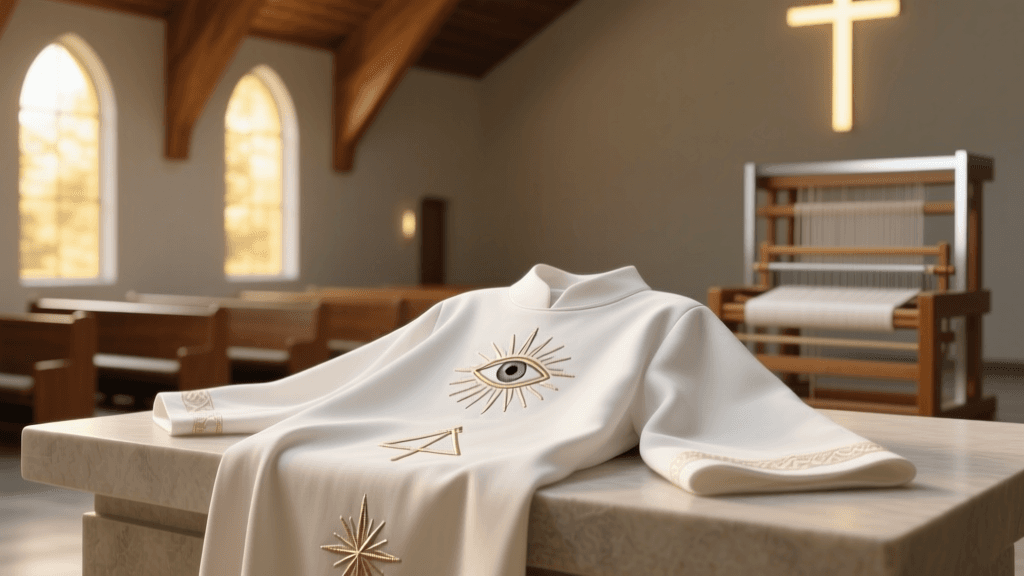
The history of the temple garment traces back to the early 1840s in Nauvoo, Illinois, when Joseph Smith introduced the temple endowment. The original garments were one-piece, union-suit-style undergarments that extended to the wrists and ankles. They were typically made of heavy cotton or linen and featured long sleeves and full-length legs. In an era before central heating and modern textiles, these garments served a dual purpose: they provided essential physical warmth and protection from the harsh Midwestern winters, while simultaneously acting as a spiritual shield and a reminder of sacred covenants. The early designs included specific marks or symbols woven or embroidered into the fabric, representing spiritual concepts such as the breastplate of righteousness and the armor of God.
The 1923 Shift to Shorter Styles
As the 20th century progressed, the practicalities of modern life, changing fashion norms, and the expansion of the Church into warmer climates necessitated a shift in garment design. In 1923, the First Presidency approved modifications that allowed for shorter sleeves (ending at the elbow) and shorter legs (ending at the knee). This was a monumental shift in the history of LDS clothing, acknowledging that the sacredness of the garment was tied to the symbols and the covenant, not the amount of fabric covering the limbs. By the 1930s, the two-piece garment (a separate top and bottom) was introduced, offering greater convenience and comfort for the modern wearer.
Late 20th Century to 2026 Innovations
Throughout the late 20th and early 21st centuries, the Church continued to refine garment patterns. The most significant recent updates were announced in the early 2020s, which laid the groundwork for the diverse options available in 2026. According to the official Church Newsroom, these updates included the introduction of a rounded neckline, a cap-sleeve option for women, and adjustments to the length of the garment top to better accommodate modern women's fashion and modesty needs. These changes reflected a concerted effort by Church leadership to make the garments more wearable and comfortable without compromising their sacred nature.
The Textile Science of 2026 Garments
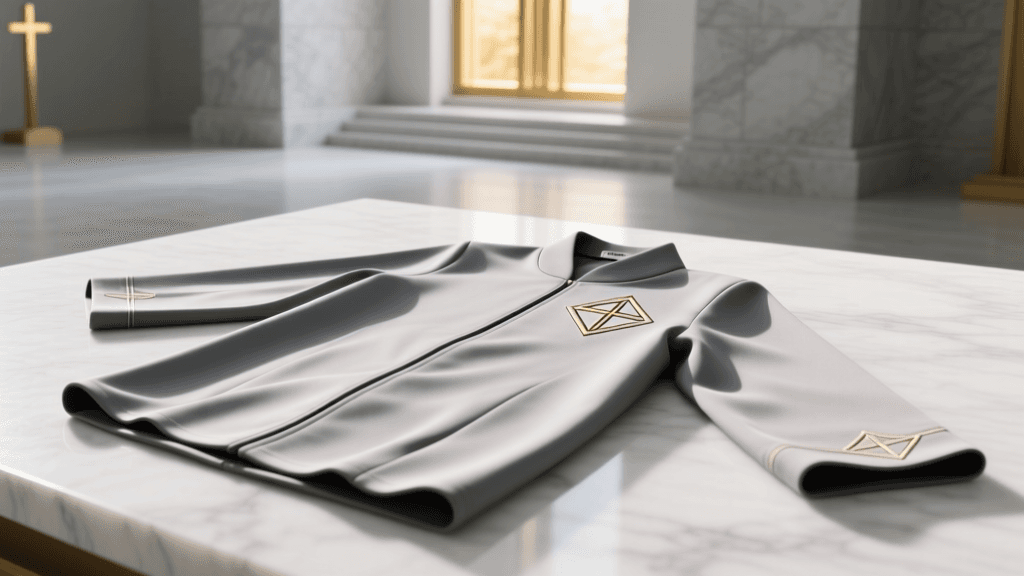
In 2026, the textile options for temple garments are more advanced than ever. The Church's distribution centers now offer a wide array of fabrics designed to meet the needs of members living in everything from the sweltering humidity of Southeast Asia to the freezing winters of Northern Europe. Modern garment manufacturing utilizes micro-modal, bamboo viscose blends, and advanced moisture-wicking synthetic fibers. These materials offer four-way stretch, breathability, and anti-microbial properties, ensuring that the garments remain comfortable during physical labor, exercise, and long days at the office. The integration of flat-lock stitching in 2026 models has also drastically reduced skin irritation and chafing, a common complaint with older, heavier cotton iterations.
Modern Garment Styles and Fabrics Available in 2026
Members today can choose from several distinct cuts and fabrics. The following table outlines the primary styles available through the Official Church Store in 2026:
| Style Name | Neckline & Sleeve | Best Fabric Options (2026) | Ideal Use Case |
|---|---|---|---|
| Classic Crew | Crew neck, standard t-shirt sleeve | 100% Cotton, Cotton-Poly Blend | Everyday wear, cooler climates, traditional fit preference. |
| Rounded Neck | Wide rounded scoop neck, standard sleeve | Stretch Cotton, Modal Blend | Wearing under open-collar shirts or wider necklines. |
| V-Neck | Standard V-neck, t-shirt sleeve | Micro-Modal, Bamboo Viscose | Wearing under button-down dress shirts and business attire. |
| Women's Cap Sleeve | Rounded or V-neck, cap sleeve (shoulder) | Modest Mesh, Stretch Lace Trim | Wearing under short-sleeve blouses, dresses, and summer wear. |
| Performance / Active | Various necklines, athletic cut | Moisture-Wicking Synthetics | Sports, heavy physical labor, high-humidity environments. |
Sacred Symbolism and Cultural Impact
While the physical design of the garments has adapted to modern textile standards, the spiritual significance remains entirely unchanged. As outlined in the Church's General Handbook, temple garments serve as a shield and a protection. The symbols woven into the fabric are deeply tied to the teachings of the temple endowment, representing the Atonement of Jesus Christ, the importance of obedience, and the eternal nature of the soul.
Culturally, the requirement to wear garments influences the modesty standards and fashion choices of Latter-day Saints. In 2026, many mainstream clothing brands and specialized modest fashion retailers design their clothing specifically to accommodate the lines of modern temple garments. High-necked blouses, longer hemlines, and dresses with built-in linings are highly sought after by endowed women, while men often opt for undershirts that align with their garment necklines to maintain a seamless and respectful appearance in professional settings.
How to Purchase and Care for Garments in 2026
Sizing, Fit, and Purchasing Requirements
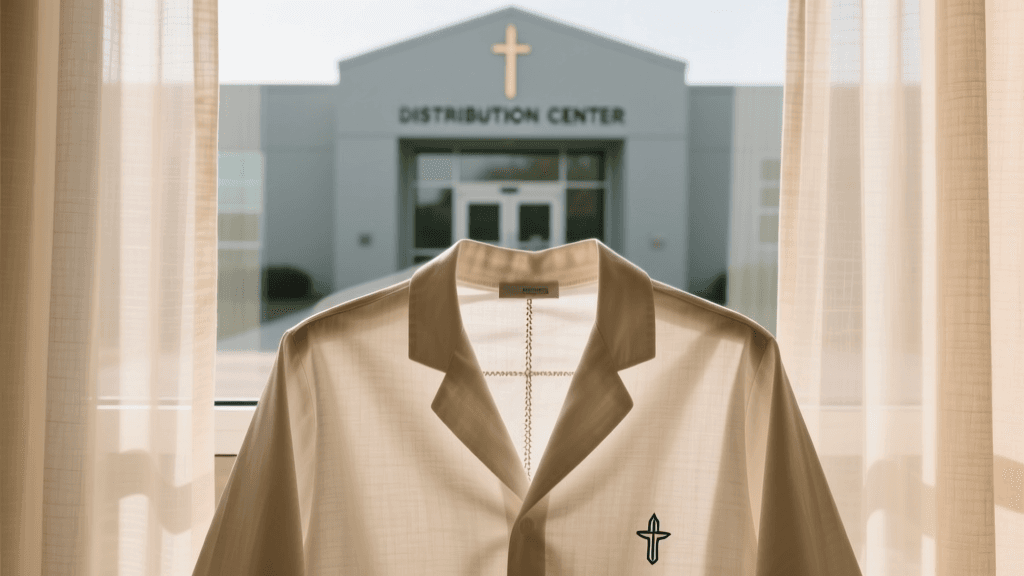
Purchasing temple garments is restricted to endowed members of the Church who hold a current, valid Temple Recommend. In 2026, the purchasing process is highly streamlined. Members can buy garments in person at local Deseret Book stores, at regional Church Distribution Centers, or online via the official Church e-commerce portal.
Sizing has become incredibly precise. The 2026 online fitting guide utilizes algorithmic sizing based on height, weight, and specific torso measurements to recommend the perfect fit. Garment tops generally range from XXS to 5XL, and bottoms are available in various inseam lengths (typically knee-length or mid-thigh, depending on the specific style and modesty requirements). The cost in 2026 averages between $9.00 and $14.00 per piece, depending on the complexity of the fabric and the manufacturing region, with the Church subsidizing costs to keep them accessible globally.
Washing and Maintenance
Proper care extends the life of the garments and preserves the integrity of the sacred symbols. The 2026 fabric blends require specific care routines:
- Washing: Machine wash in cold or warm water with like colors. Using a mild, color-safe detergent is highly recommended to preserve the elasticity of modal and bamboo blends.
- Bleaching: Never use chlorine bleach. Bleach not only degrades modern synthetic fibers and destroys elastic waistbands, but it also fades and destroys the sacred symbols woven into the fabric.
- Drying: Tumble dry on low heat or hang dry. High heat will shrink 100% cotton garments and degrade the moisture-wicking properties of the performance synthetic lines.
- Disposal: When garments become worn, torn, or unusable, members are instructed to carefully cut out the sacred symbols and destroy them privately before discarding the remaining fabric. The remaining fabric can be thrown away or repurposed as cleaning rags, but the symbols must never be discarded in a way that could be seen or handled by others.
Conclusion
The evolution of LDS temple garments from the heavy, full-length union suits of the 1840s to the advanced, breathable, and diverse styles available in 2026 is a fascinating study in the intersection of faith, culture, and textile science. While the fabrics, necklines, and sleeve lengths have adapted to the practical demands of a global, modern membership, the core purpose of the garment remains steadfast. For millions of Latter-day Saints around the world, these garments continue to serve as a deeply personal, daily reminder of their spiritual commitments, providing a quiet sense of peace and protection in an increasingly complex world.