Jingle Dress Regalia Guide 2026: Sourcing Cones & Fabric
The Enduring Legacy of the Jingle Dress in 2026
The Jingle Dress dance is one of the most powerful, visually striking, and spiritually significant expressions of Indigenous culture in North America. Originating from the Ojibwe (Anishinaabe) people in the early 20th century, the dress and its accompanying dance were revealed in a dream as a ceremony for healing and resilience. Today, as we navigate the 2026 powwow season, the Jingle Dress has transcended its regional roots to become a pan-Indigenous symbol of prayer, vitality, and cultural pride. For regalia makers, dancers, and cultural preservationists, understanding the meticulous craftsmanship required to build a Jingle Dress is paramount.
Creating a Jingle Dress is not merely a sewing project; it is an act of devotion. The rhythmic sound of the metal cones striking one another is said to mimic the sound of rain on a tin roof, calling upon the healing spirits. According to the Smithsonian National Museum of the American Indian, the dress serves as a living testament to Indigenous survival and the ongoing pursuit of community wellness. This comprehensive 2026 guide will walk you through the exact materials, sourcing strategies, and construction techniques needed to craft an authentic, competition-ready, or ceremonial Jingle Dress.
Anatomy of the Jingle Dress: Beyond the Cones
While the metal cones (often called 'jingles' or 'ziibaaska'iganan' in Anishinaabemowin) are the defining feature of the regalia, the foundation of the dress requires careful consideration. A traditional Jingle Dress consists of a cloth dress, ribbon appliqué, beadwork, and the carefully measured placement of hundreds of metal cones. In 2026, regalia makers are blending time-honored traditional methods with modern textile advancements to ensure the dress is lightweight, breathable, and durable enough to withstand the rigors of summer powwow travel and intense dance competitions.
Sourcing Metal Cones: Materials and Acoustics
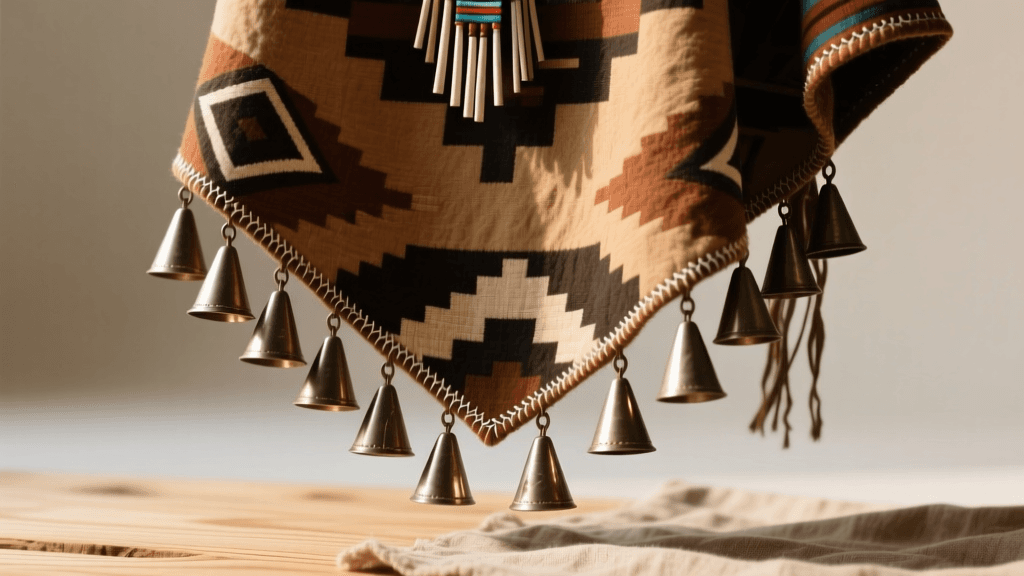
The soul of the Jingle Dress lies in its sound. The cones must be uniform in size and material to produce a cohesive, rain-like cascade of sound when the dancer moves. In 2026, the market for regalia supplies has seen a shift toward supporting Indigenous-owned metalworking cooperatives, though established trading posts remain vital resources. When sourcing cones from suppliers like Crazy Crow Trading Post or direct Native artisans, you will generally encounter three primary materials, each offering a distinct acoustic profile.
| Cone Material | Acoustic Profile | Weight & Durability | 2026 Market Availability |
|---|---|---|---|
| Rolled Tin | Crisp, high-pitched, traditional 'rain' sound. | Extremely lightweight; prone to denting if crushed. | Highly sought after; often requires custom order from Native metalsmiths. |
| Stamped Brass | Bright, resonant, and carries well in loud arenas. | Heavier than tin; highly durable and rust-resistant. | Widely available through major powwow supply vendors. |
| Copper (Hand-Rolled) | Deep, warm, and resonant with a softer attack. | Medium weight; develops a natural patina over time. | Premium tier; usually sourced directly from Indigenous artisans. |
For an adult-sized dress, you will typically need between 400 and 700 cones, depending on the dancer's height and the desired density of the jingles. The standard size for adult regalia in 2026 remains the 2.5-inch to 3-inch rolled cone. It is highly recommended to purchase 10% more cones than your calculated requirement to account for losses during travel or damage during the dance.
Fabric Selection: Traditional Broadcloth vs. Modern Blends
Historically, Jingle Dresses were made from heavy cotton broadcloth or wool trade cloth. While traditionalists still favor 100% cotton broadcloth for its historical accuracy and beautiful drape, the practical demands of modern powwowing have introduced new fabric preferences. Summer powwows in July and August can be brutally hot, and heavy fabrics can lead to fatigue and overheating.
Top Fabric Recommendations for 2026
- Cotton-Polyester Broadcloth Blends: A 60/40 cotton-poly blend is currently the gold standard for competition dancers. It offers the matte finish and traditional look of cotton but provides the wrinkle-resistance, sweat-wicking properties, and structural durability of polyester.
- Lightweight Rayon Challis: For ceremonial or social dances where maximum airflow is desired, rayon challis offers a beautiful, fluid drape. However, it requires reinforced seams to handle the weight of the metal cones.
- Traditional Wool Trade Cloth: Reserved primarily for northern powwows, winter events, or strictly traditional ceremonial settings. It is heavy, warm, and carries deep historical significance, documented extensively in the textile archives of the Library of Congress.
Yardage Calculations and Pattern Drafting
The Jingle Dress is typically constructed using a simple, modest silhouette to allow the cones to hang straight and strike each other properly. The dress usually features a scoop neck, long or short sleeves, and a straight or slightly A-line skirt that falls to the mid-calf. To calculate your fabric needs for the 2026 season, use the following baseline measurements (assuming 45-inch wide fabric):
- Child (Under 10): 3.5 to 4 yards of main fabric.
- Teen / Small Adult: 5 to 6 yards of main fabric.
- Adult (Average to Plus Size): 6.5 to 8 yards of main fabric.
Always pre-wash and dry your fabric on high heat before cutting to ensure any shrinkage occurs before the cones and delicate beadwork are attached.
Ribbon Appliqué and Floral Beadwork Accents
The visual beauty of the Jingle Dress is elevated by intricate ribbon work and beadwork. The Ojibwe floral motif is the most traditional and widely recognized design element applied to the yoke, hem, and sleeves of the dress. In 2026, regalia makers have access to an unprecedented variety of high-quality glass seed beads. Miyuki and Preciosa size 11/0 and 13/0 beads remain the industry standard for their uniformity, which is critical for creating smooth, raised floral patterns.
For the ribbon appliqué, double-fold satin or polyester grosgrain ribbons are preferred. The appliqué process involves cutting intricate geometric or floral patterns into contrasting ribbons and layering them over the base fabric. Modern sewing machines equipped with a specialized appliqué foot and a very fine needle (size 70/10) will help you navigate the tight curves of traditional woodland floral designs without puckering the broadcloth base.
Construction Techniques: Spacing and Tying the Cones
The most critical technical aspect of building a Jingle Dress is the spacing and attachment of the cones. If the cones are placed too closely, they will tangle and muffle the sound. If they are too far apart, the signature 'rain' effect is lost.
The Mathematics of Cone Placement
The standard spacing for adult Jingle Dresses in 2026 is to place the cones in staggered, horizontal rows. The cones should be spaced approximately 3 to 4 inches apart horizontally, with each subsequent row dropped by 1.5 to 2 inches to create a staggered, diamond-like grid. This staggered placement ensures that when the dancer steps side-to-side (the traditional Jingle step), the cones swing and strike the ones in the adjacent rows.
Tying and Securing the Jingles
Never sew the cones directly to the fabric using a machine, as the metal will eventually cut through the thread. Instead, each cone is attached using a heavy-duty cord. Historically, sinew or rolled cloth strips were used. Today, regalia makers utilize waxed nylon beading thread, heavy-duty artificial sinew, or narrow leather thongs.
To attach a cone:
1. Thread the cord through the top loop of the cone.
2. Pierce the fabric at your marked grid point.
3. Tie a secure square knot or surgeon's knot on the inside of the dress.
4. Apply a tiny drop of flexible fabric glue (such as Jewel-It) to the knot to prevent it from loosening during vigorous dancing.
5. Cover the interior knots with a lightweight cotton lining to protect the dancer's skin from abrasion.
Caring for Your Jingle Dress Regalia
A well-made Jingle Dress is an investment of time, money, and spiritual energy. Proper care is essential to ensure it lasts for generations. After every powwow, the dress must be aired out to prevent moisture from causing the metal cones to oxidize or rust. If you are using rolled tin cones, inspect them periodically for signs of rust, and gently wipe them with a dry, oiled cloth if necessary.
When storing the dress, never fold it in a way that crushes the cones. The best practice in 2026 is to hang the dress on a wide, padded hanger inside a breathable cotton garment bag. If you must pack the dress for long-distance travel to events like the Gathering of Nations or the Sapperton Days, roll the dress gently from the bottom up, placing layers of acid-free tissue paper between the folds to protect the beadwork and prevent the cones from snagging on the appliqué.
Conclusion: Honoring the Tradition
Crafting a Jingle Dress is a profound journey that connects the maker to the ancestors, the community, and the healing power of the dance. As you source your materials and stitch your seams in 2026, remember that every cone tied and every bead stitched is a prayer. By prioritizing high-quality materials, respecting the traditional Ojibwe origins of the dance, and utilizing modern construction techniques for durability, you ensure that the Jingle Dress will continue to sing its healing song across Indian Country for years to come.