Jingle Dress Regalia Guide 2026: Materials & Costs
The Enduring Legacy of the Jingle Dress in 2026
The Jingle Dress dance, originating from the Ojibwe (Anishinaabe) people of the Great Lakes region, remains one of the most profound and visually striking traditions in North American Indigenous culture. Born from a vision of healing during the global influenza pandemic of the early 20th century, the dress and its accompanying dance are deeply spiritual. As we enter the 2026 powwow season, the Jingle Dress has evolved in its aesthetic details, yet its core purpose as a vessel for prayer and medicine remains unchanged. For Native artisans and dancers preparing for the 2026 competition and traditional powwow circuits, understanding the nuances of material sourcing, ergonomic construction, and cultural protocol is essential.
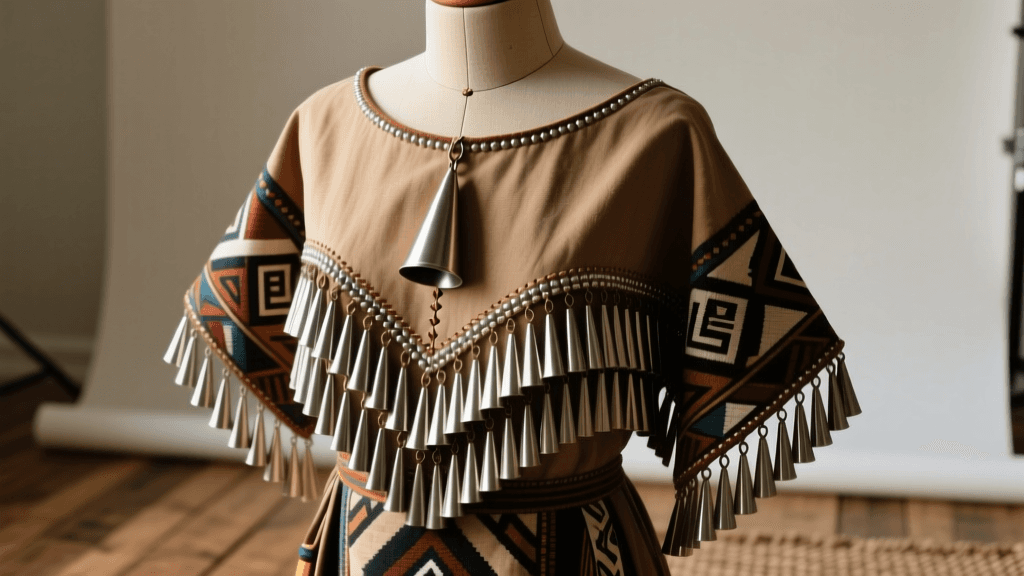
Creating a jingle dress is not merely a sewing project; it is an act of cultural preservation and personal devotion. The distinctive sound of the dress—which mimics the sound of rain on a tin roof or the rustling of leaves—is created by hundreds of rolled metal cones, known as jingles, attached to the fabric. This comprehensive guide will walk you through the exact materials, measurements, and 2026 market costs required to build a competition-ready or traditional jingle dress regalia set.
Sourcing Authentic Materials and Textiles
The foundation of any jingle dress is the broadcloth. Historically, heavy wool broadcloth was the standard, prized for its durability and the way it holds the weight of the metal cones without tearing. In 2026, while traditional wool-blend broadcloth remains highly sought after, many dancers opt for high-quality cotton-polyester blends for summer powwows due to breathability and lighter weight. When purchasing fabric, you will need between 5 to 8 yards of your primary color, plus additional yardage for contrasting yoke and sleeve accents.
Ribbon work and appliqué are critical to the dress's visual impact. Satin or rayon ribbons are layered and sewn in intricate geometric or floral patterns along the hem, sleeves, and yoke. For the 2026 season, there is a notable trend blending traditional earth tones (ochre, deep red, forest green) with vibrant, modern neon accents, reflecting the dynamic, living nature of Indigenous art.
Choosing the Right Jingle Cones
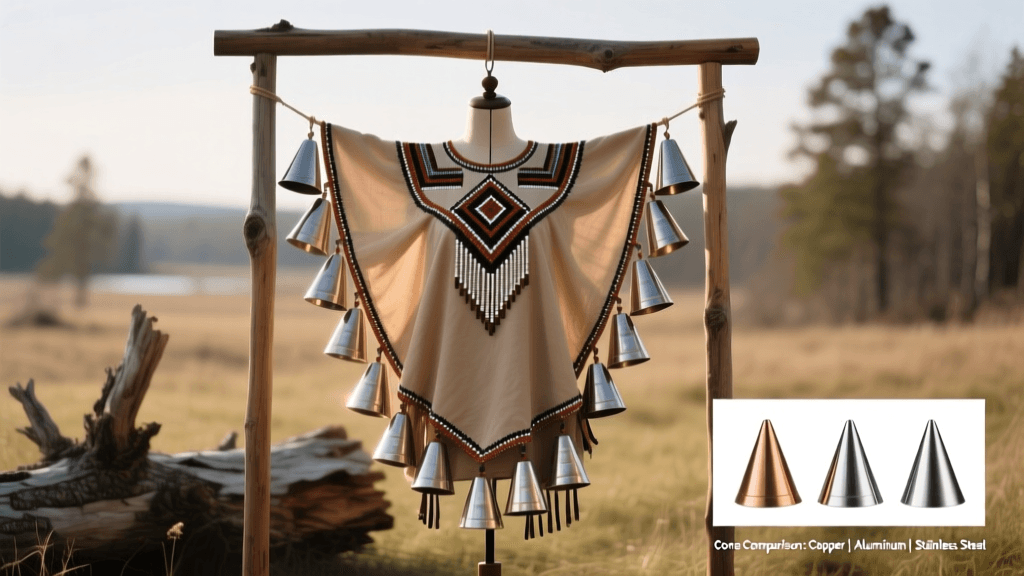
The jingles are the heartbeat of the regalia. According to cultural historians documented by the Powwows.com educational archive, a traditional dress requires exactly 365 cones, representing every day of the year, though modern competition dresses often feature anywhere from 400 to 700 cones to maximize volume and visual density. When sourcing cones in 2026, you must choose between stamped aluminum and hand-rolled steel.
| Cone Type | Material | Sound Profile | 2026 Avg Cost (per 100) | Durability & Weight |
|---|---|---|---|---|
| Stamped Aluminum | Lightweight Aluminum | Higher pitch, softer, less resonance | $12.00 - $18.00 | Lightweight; prone to crushing if stepped on |
| Rolled Steel | Galvanized Steel | Bright, sharp, traditional rain-like sound | $22.00 - $30.00 | Heavy; highly durable, requires strong thread |
| Hand-Rolled Copper | Pure Copper | Deep, resonant, rich acoustic tone | $55.00 - $75.00 | Very heavy; develops a natural patina over time |
Beading and Appliqué Techniques
While the cones provide the music, the beadwork provides the narrative. Floral beadwork, a hallmark of Great Lakes and Woodlands Indigenous artistry, is frequently incorporated into the yoke, belt, and matching accessories (such as the beaded crown, purse, and moccasins). For the 2026 crafting season, Japanese seed beads remain the gold standard for their uniformity. When selecting seed beads, artisans often refer to the Miyuki official seed bead specifications to ensure they are using size 11/0 or 15/0 Delica or Rocaille beads, which offer the precision needed for intricate floral appliqué and loom work.
For the ribbon appliqué, avoid using hot glue or fusible webbing, as these will melt or degrade under the hot summer sun and the physical stress of powwow dancing. Instead, use a tight zig-zag stitch or a blind hem stitch on a heavy-duty sewing machine to secure the ribbon layers to the broadcloth base.
Construction, Measurements, and Ergonomics
A jingle dress must be tailored specifically to the dancer's body to ensure freedom of movement and proper weight distribution. A fully loaded dress with 500 steel cones, heavy broadcloth, and extensive beadwork can weigh between 12 and 18 pounds. Ergonomics are paramount to prevent back and shoulder fatigue during the multi-day powwow season.
Key Measurements and Assembly Steps
- The Yoke: Measure across the shoulders and down to the natural waist. The yoke should be lined with a breathable cotton muslin to absorb sweat and protect the intricate beadwork from skin oils.
- The Skirt: The skirt is typically gathered or pleated into the waistband. It should fall mid-calf, allowing the dancer's beaded leggings and moccasins to remain visible. Leave a 2-inch hem at the bottom for future adjustments.
- Cone Placement and Tying: Cones are tied using heavy-duty waxed sinew or nylon button thread. They should be spaced approximately 1 to 1.5 inches apart horizontally and staggered vertically. This spacing is critical; if placed too closely, the cones will tangle and mute each other's sound. If placed too far apart, the dress will lack its signature acoustic fullness.
- Reinforcement: Always sew a small, clear vinyl or fabric patch on the inside of the dress wherever a cone is tied. This prevents the heavy thread from tearing through the broadcloth over time.
2026 Cost Breakdown for a Complete Regalia Set
Building a jingle dress is a significant financial investment. Prices for raw materials, particularly metals and imported textiles, have seen adjustments in 2026 due to global supply chain shifts. Below is an estimated cost breakdown for a complete, competition-ready adult jingle dress regalia set, assuming the maker is doing all the sewing and beadwork themselves.
- Broadcloth & Lining (8-10 yards): $120 - $180
- Ribbon and Appliqué Materials: $80 - $130
- Metal Jingle Cones (500 count, Rolled Steel): $110 - $150
- Seed Beads, Sinew, and Beading Needles: $150 - $250
- Heavy-Duty Thread and Interfacing: $30 - $50
- Accessories (Beaded belt, purse, hair ties): $100 - $200 (materials only)
- Footwear (Custom beaded moccasins and leggings): $250 - $400
- Total Estimated Material Cost: $840 - $1,360
Note: If commissioning a master artisan to create the regalia, labor costs will significantly increase the total price, often ranging from $3,000 to $6,000+ depending on the complexity of the beadwork and the reputation of the maker.
Cultural Protocol and Respect
It is vital to remember that the Jingle Dress is not a costume; it is a sacred garment with specific protocols. The Smithsonian National Museum of the American Indian emphasizes the importance of understanding the spiritual weight of Indigenous regalia. In many communities, a dancer must be given the right to wear the jingle dress, often through a naming ceremony, a dream, or by being gifted the dress by an elder or respected medicine person.
When attending powwows in 2026, spectators and non-Indigenous allies should never touch a dancer's regalia without explicit permission. The dress is treated with the same reverence as a church altar or a sacred bundle. Furthermore, the Jingle Dress dance is a healing dance; when a dancer is called to the center of the arbor to dance for someone who is sick or grieving, the atmosphere shifts from competition to profound communal prayer.
Preparing for the 2026 Powwow Trail
As you finalize your regalia for the upcoming season, take the time to break in your moccasins and practice dancing with the full weight of the dress. The footwork for the Jingle Dress dance requires keeping one foot on the ground at all times, executing a rhythmic, zig-zagging step that causes the cones to sway and strike one another in perfect unison with the drum. By investing in high-quality materials, respecting the traditional construction methods, and honoring the spiritual origins of the Ojibwe vision, you ensure that the healing song of the jingle dress will continue to resonate across Turtle Island for generations to come.