Jingle Dress Regalia 2026: Authentic Materials & Sourcing
The Enduring Legacy of the Jingle Dress in 2026
The powwow trail in 2026 is more vibrant and expansive than ever, with major gatherings from the Gathering of Nations in Albuquerque to the Crow Fair in Montana drawing thousands of dancers, singers, and spectators. Among the most visually and sonically striking categories of women's dance is the Jingle Dress dance. Characterized by the rhythmic, rain-like sound of metal cones striking one another, the Jingle Dress is not merely a competitive garment; it is a profound symbol of healing, resilience, and cultural continuity. For Indigenous artisans, dancers, and families preparing for the 2026 powwow season, constructing a jingle dress regalia requires a deep understanding of traditional protocols, modern textile performance, and precise sourcing of authentic materials.
Whether you are building a dress for a Tiny Tot dancer stepping into the arena for the first time, or an Adult competitor aiming for the championship titles on the national circuit, the foundation of a breathtaking regalia lies in the quality of its components. This comprehensive guide explores the anatomy of the jingle dress, where to source premium materials in 2026, and the construction techniques that ensure your regalia moves flawlessly with every step.
Historical Context and Cultural Protocols
To properly construct and wear a jingle dress, one must first understand its sacred origins. The Jingle Dress dance originated with the Ojibwe (Chippewa) Nation in the early 20th century. According to oral histories, the dress was revealed in a vision to a medicine man whose daughter was gravely ill. The vision instructed him to create a dress adorned with metal jingles and to have his daughter dance in it to the rhythm of a specific drumbeat. Upon doing so, she was healed. From the Great Lakes region, the dance and its associated regalia spread across North America, evolving into a pan-Indian symbol of prayer and healing.
Today, institutions like the National Museum of the American Indian highlight the Jingle Dress as a vital expression of Indigenous women's spiritual and cultural leadership. While the dance is now a staple of competitive powwows, the underlying protocol remains: the dress is a medicine dress. Dancers in 2026 continue to honor this by maintaining modesty in their silhouettes, avoiding overly flashy or secular modifications, and treating the regalia with the utmost respect. It is customary to never let the dress touch the ground, and many dancers say a prayer before putting it on.
Sourcing Metal Jingles and Cones
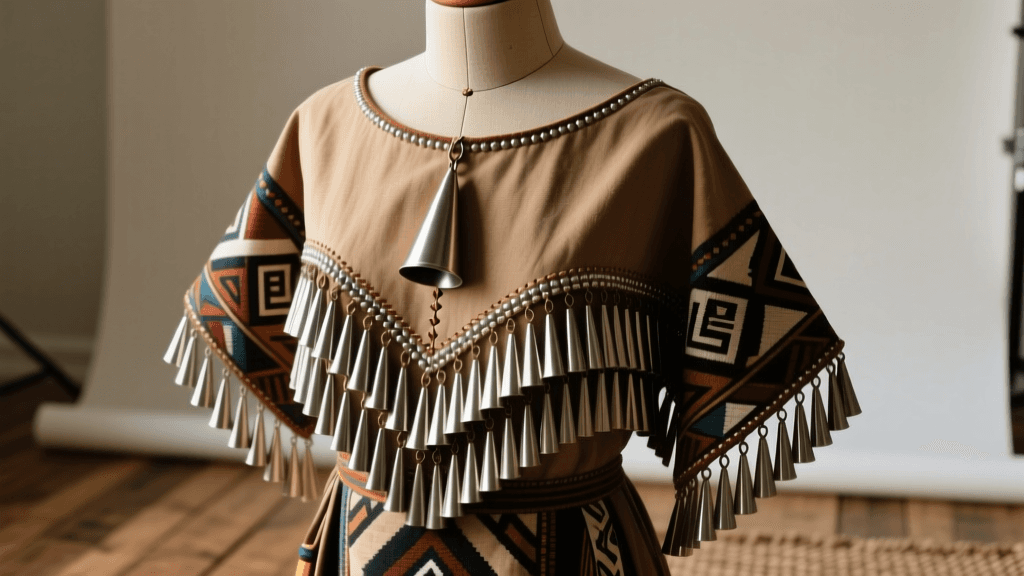
The defining feature of the regalia is, of course, the jingles. Historically, these were hand-rolled from the metal lids of snuff cans. Today, while some traditionalists still hand-roll their own jingles from raw tin or copper sheets, the vast majority of dancers purchase mass-produced stamped metal cones for durability and uniformity. In 2026, the market for high-quality jingles is robust, but knowing where to buy is crucial to avoid cheap, easily dented imports that lack the proper acoustic resonance.
Reputable Native-owned and established trading posts are the best sources for authentic powwow supplies. Suppliers such as Crazy Crow Trading Post offer a wide variety of stamped metal jingles in different sizes and finishes. When sourcing your jingles, you must consider the size of the dancer and the desired sound profile. A heavier, thicker gauge metal will produce a deeper, more resonant 'clack,' while thinner aluminum yields a higher-pitched, lighter tinkling sound.
Material Comparison Chart: Choosing Your Jingles
Selecting the right jingle impacts the weight of the dress, the physical stamina required to dance, and the auditory signature of your performance. Below is a comparison of the most common jingle types available to regalia makers in 2026.
| Jingle Type | Material | Typical Size | Sound Profile | Weight Impact | Avg. Cost (per gross) |
|---|---|---|---|---|---|
| Classic Stamped | Aluminum | 2.5 inches | Bright, sharp, high-pitch | Light | $45 - $60 |
| Heavy Duty | Steel/Tin Blend | 2.75 inches | Deep, loud, resonant | Heavy | $70 - $95 |
| Junior/Tiny Tot | Light Aluminum | 1.5 inches | Soft, gentle tinkling | Very Light | $35 - $50 |
| Hand-Rolled | Raw Copper/Tin | Variable | Muted, traditional, earthy | Medium | $120+ (or DIY) |
Fabric Selection and Ribbonwork Appliqué
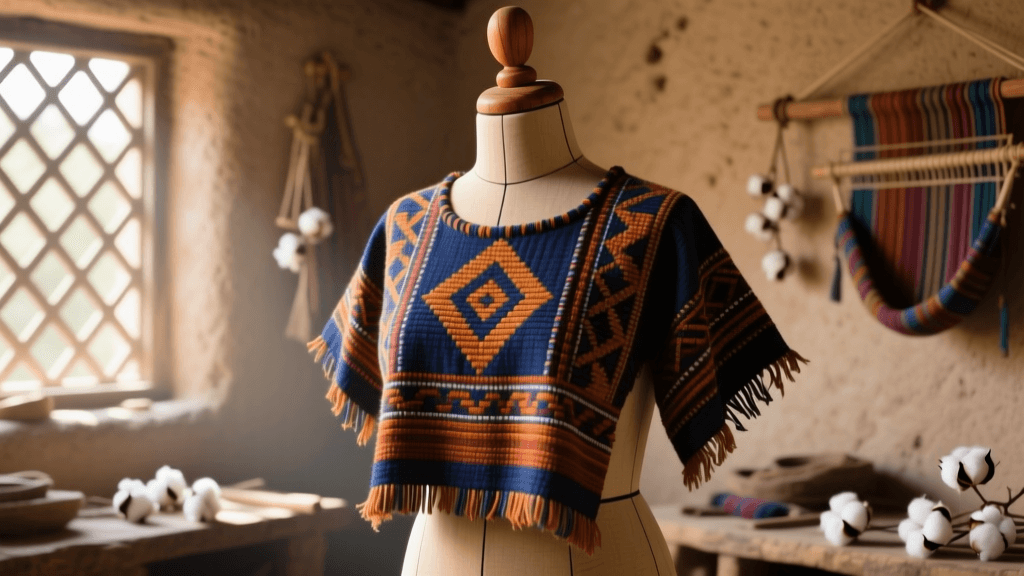
The base fabric of a jingle dress must be durable enough to withstand the weight of hundreds of metal cones and the rigorous movement of the powwow arena, yet fluid enough to sway gracefully. In 2026, the most popular fabric choices remain cotton broadcloth, bridal satin, and taffeta.
- Cotton Broadcloth: The traditional choice. It is breathable, matte, and provides a beautiful, authentic backdrop for ribbonwork. However, it requires heavy interfacing or double-layering to support the weight of the jingles without tearing.
- Bridal Satin: Favored by competitive adult dancers for its brilliant sheen and fluid drape. Satin catches the arena lights beautifully but is prone to snagging and requires meticulous seam reinforcement.
- Taffeta: An excellent middle-ground. It offers a slight sheen and a crisp 'rustle' that complements the sound of the jingles, while being more resistant to wrinkling than satin.
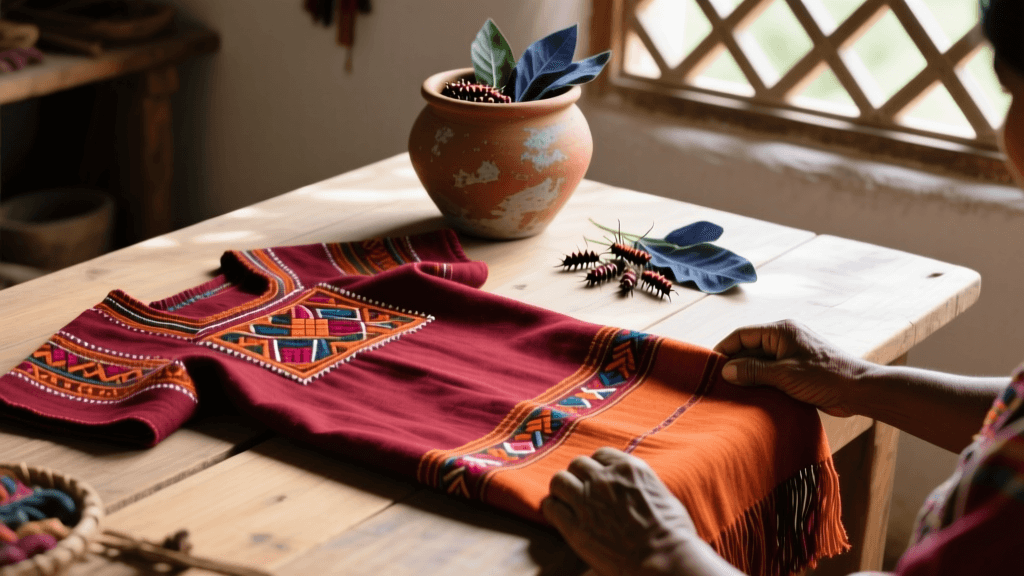
Ribbonwork appliqué is the primary decorative element on the dress. Using double-fold satin ribbon, artisans create intricate geometric patterns, floral motifs, or traditional zig-zag designs along the hem, sleeves, and yoke. Modern regalia makers often use heat-n-bond webbing to temporarily adhere the ribbon before sewing, ensuring perfectly crisp lines. For a standard adult dress, expect to use between 30 and 50 yards of assorted ribbon, costing approximately $150 to $250 depending on the brand and width.
Construction: Measurements and Spacing
Constructing a jingle dress requires precision. The dress is typically a simple A-line or shift silhouette with long sleeves and a high neckline, adhering to traditional modesty standards. The complexity lies in the placement of the jingles.
How Many Jingles Do You Need?
Tradition dictates that a healing jingle dress should contain exactly 365 jingles, representing one for every day of the year. However, in the modern competitive powwow scene of 2026, the number varies based on the dancer's age category, size, and design preference.
- Tiny Tots (Ages 0-5): 100 to 150 jingles. Keeping the weight low is critical for the child's comfort and mobility.
- Juniors & Teens: 200 to 300 jingles. A balance between traditional aesthetics and competitive volume.
- Adults & Golden Age: 250 to 400+ jingles. Adult competitors often maximize their jingle count to create a wall of sound during the honor beats.
Spacing and Attachment Techniques
Jingles are typically attached using ribbons or heavy-duty bias tape. The standard spacing is about two to three inches apart horizontally, with rows staggered so that the jingles overlap slightly. This overlapping is what creates the cascading, rhythmic sound when the dancer moves. Crucial Construction Tip: Never sew the jingle directly to the base fabric without a reinforcement patch. The sheer weight of a steel jingle will tear through satin or broadcloth within a single powwow weekend. Always sew the ribbon tie to a piece of heavy canvas or denim interfacing on the inside of the dress, or attach the jingles to a separate, reinforced slip-dress worn underneath the decorative outer shell.
Caring for and Storing Your Regalia
A high-quality jingle dress is a significant financial and temporal investment, often costing upwards of $800 to $1,500 in materials alone, not including hundreds of hours of labor. Proper care is essential to ensure the regalia lasts for generations.
After every powwow weekend, the dress must be aired out. Sweat and humidity from the arena can cause the metal cones to oxidize and rust, which will stain the fabric and ruin the acoustic quality of the jingles. If your jingles do begin to tarnish, you can gently polish them with a metal cleaner, but be extremely careful not to get the chemicals on your ribbonwork or satin base.
When traveling, never fold the dress in a way that crushes the jingles, as dented cones will not produce a clear sound and are nearly impossible to hammer back into a perfect cone shape. Instead, roll the dress gently around a pool noodle or a specialized archival textile tube, placing tissue paper between the layers of jingles to prevent them from scratching the fabric. Store the dress in a cool, dry place, utilizing silica gel packets in your storage bin to control ambient moisture.
Final Thoughts for the 2026 Powwow Season
As the 2026 powwow season unfolds across the Americas, the Jingle Dress dance continues to be a powerful testament to Indigenous survival and spiritual strength. Whether you are sourcing heavy-duty steel cones from established traders or spending late nights hand-stitching ribbon appliqué, the process of creating this regalia is an act of devotion. By prioritizing high-quality materials, respecting the historical protocols of the dress, and employing robust construction techniques, you ensure that your regalia will not only look stunning in the arena but will carry the healing medicine of the dance for years to come. For further community discussions, patterns, and powwow schedules, resources like Powwows.com remain invaluable tools for the modern regalia maker.