Authentic Oaxacan Rebozos & Huipiles: 2026 Ethical Sourcing Guide
The Enduring Legacy of Oaxacan Textiles in 2026
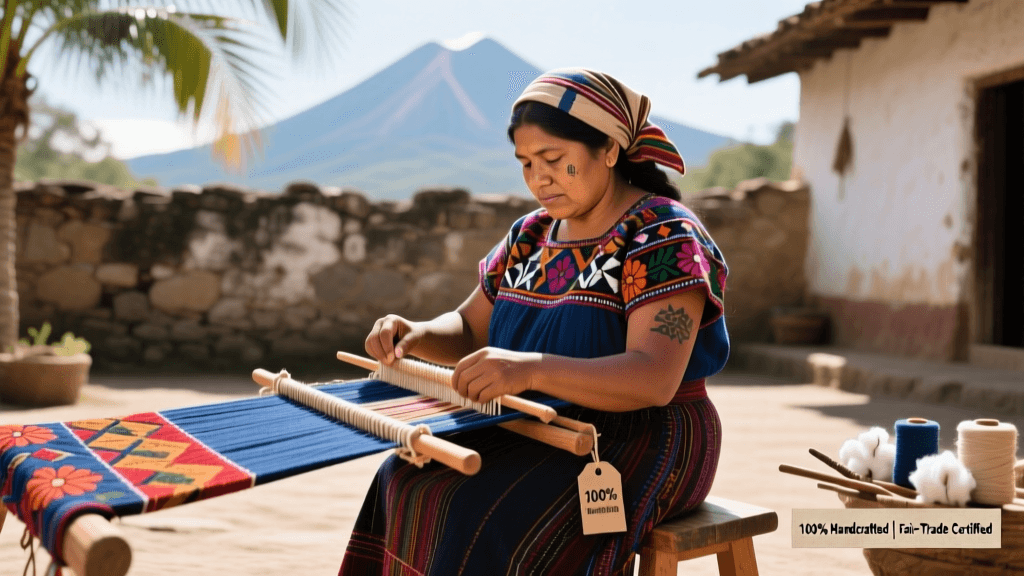
In 2026, the global appreciation for slow fashion and ancestral craftsmanship has reached unprecedented heights, placing traditional Latin American garments at the forefront of ethical luxury. Among the most revered of these textiles are the handwoven huipiles and rebozos of Oaxaca, Mexico. Woven on ancient backstrap and pedal looms, these garments are not merely clothing; they are wearable codices that record the cosmology, botanical knowledge, and lineage of Zapotec, Mixtec, and Nahua communities. As the market for indigenous textiles expands, so does the proliferation of mass-produced, machine-made imitations. For collectors, cultural enthusiasts, and conscious consumers, understanding how to identify, source, and care for authentic Oaxacan textiles in 2026 is essential to preserving this intangible cultural heritage.
Recent legislative updates in Mexico regarding the intellectual property of indigenous designs have empowered local cooperatives, allowing artisans to reclaim control over their patterns and pricing. According to the Museo Textil de Oaxaca, the push for fair-trade certification and direct-to-consumer cooperative models has fundamentally reshaped the market this year, ensuring that a greater percentage of profits returns directly to the weavers and dyers.
Huipiles vs. Rebozos: Anatomy of the Garments
The Huipil: A Woven Universe
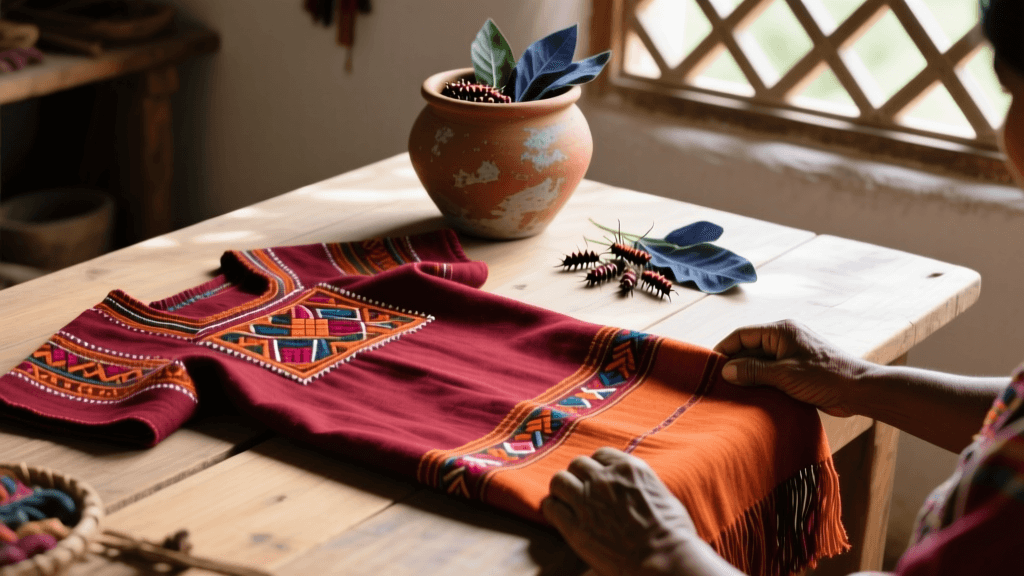
The huipil is a traditional tunic-like garment worn by indigenous women across Mesoamerica. In Oaxaca, huipiles are typically constructed from two or three panels of handwoven cotton or wool, joined together with intricate randa (decorative stitching). The motifs woven into the fabric are deeply symbolic. The quincunx—a diamond shape representing the four cardinal directions and the center of the universe—is a pervasive Zapotec motif. In regions like San Juan Colorado, weavers utilize native brown cotton, known as coyuche, to create stunning monochromatic textures that require no synthetic dyes.
The Rebozo: Elegance and Utility
The rebozo is a versatile shawl that serves as a garment, a baby carrier, a market basket, and a symbol of Mexican womanhood. Authentic Oaxacan and Tenancingo-style rebozos are famous for their rapacejo—the painstakingly hand-knotted fringe at the ends of the garment. Creating a complex rapacejo can take an artisan several weeks, making it one of the most labor-intensive aspects of the textile. The body of the rebozo often features jaspe (warp ikat), a technique where the warp threads are tie-dyed before being mounted on the loom, creating beautifully blurred, intricate geometric patterns.
Decoding Natural Dyes: Cochineal, Indigo, and Beyond
One of the most critical factors in evaluating an Oaxacan textile in 2026 is the dye profile. While chemical aniline dyes are cheap and prevalent in tourist markets, master weavers continue to use ancestral botanical and insect dyes. The Textile Society of America frequently highlights Oaxacan dye masters as global leaders in sustainable, organic color-fastness techniques.
| Dye Source | Color Profile | Mordant / Modifier | Fading & Aging Traits |
|---|---|---|---|
| Cochineal (Dactylopius coccus) | Vibrant Reds, Pinks, Purples | Lime juice (orange), Baking soda (purple), Alum (red) | Ages gracefully; softens to a rich terracotta over decades. |
| Indigo (Indigofera tinctoria) | Deep Blues, Navy, Teal | Alkaline vat fermentation | Highly colorfast; develops a prized patina with wear. |
| Marigold (Cempasúchil) | Bright Yellows, Golds | Alum | Susceptible to UV fading; requires dark storage. |
| Pecan Shells & Oak Bark | Rich Browns, Tans, Blacks | Iron oxide (rust water) | Extremely stable; darkens slightly with age. |
The Cochineal Test: Cochineal is a scale insect native to the nopal cactus. When crushed, it yields carminic acid. If you are at a reputable cooperative, artisans will often demonstrate how adding an acidic agent (like lime) turns the red dye bright orange, while an alkaline agent turns it deep purple. Synthetic reds will not react to pH changes in this manner.
2026 Buyer’s Guide: Spotting Authentic Handwoven Pieces
Navigating the markets of Oaxaca City or browsing online artisan boutiques requires a trained eye. Here is how to ensure you are purchasing a genuine handwoven garment in 2026:
- Examine the Selvedge: Handwoven textiles on a backstrap loom are woven to their exact final width. The side edges (selvedges) will be perfectly finished by the continuous turning of the weft thread. If you see serged, zig-zag, or machine-stitched edges, the fabric was cut from a large bolt of commercial cloth.
- The Light Test: Hold the garment up to the sun. Hand-spun and hand-woven threads have slight irregularities in thickness. You will see a beautiful, organic unevenness in the weave that machines cannot replicate.
- Inspect the Rapacejo: On a rebozo, look closely at the knotted fringe. Authentic hand-knotting will show microscopic variations in tension and knot size. Machine-made fringe is uniform and often sewn on as a separate trim.
- Scent and Touch: Genuine wool and organic cotton have a distinct, earthy scent and a slightly lanolin-rich or textured feel. Acrylic blends will smell faintly of petroleum or plastic when rubbed vigorously.
Ethical Sourcing: Where and How to Buy
The most ethical way to purchase Latin American traditional garments is directly from artisan cooperatives or certified fair-trade galleries. This bypasses middlemen and ensures the weavers receive living wages. In 2026, several cooperatives have launched robust e-commerce platforms, allowing global buyers to support these communities directly.
| Region / Cooperative Focus | Specialty Garment | 2026 Estimated Price Range (USD) | Labor Time |
|---|---|---|---|
| San Juan Colorado (Mixtec Backstrap) | Coyuche Cotton Huipil | $450 - $950 | 4 to 7 months |
| Santo Tomás Jalieza (Cotton Weaving) | Brocade Huipil & Belts | $180 - $400 | 1 to 3 months |
| Teotitlán del Valle (Pedal Loom Wool) | Wool Rebozo / Poncho | $250 - $600 | 2 to 4 months |
| Tenancingo / Oaxaca (Ikat Specialists) | Silk/Cotton Jaspe Rebozo | $350 - $850 | 3 to 5 months |
Note on Pricing: If you encounter a 'handwoven' cochineal-dyed huipil selling for $40 in a tourist plaza, it is undoubtedly a machine-woven acrylic blend with synthetic dyes. True ancestral weaving is an investment in human time and ecological knowledge.
Preserving Your Investment: Care and Storage
Owning an authentic Oaxacan textile is an act of cultural stewardship. Proper care ensures these garments survive for generations. The American Institute for Conservation recommends specific protocols for preserving organic, naturally dyed fibers:
- Washing: Never machine wash or dry clean a handwoven huipil or rebozo. Dry cleaning chemicals can strip natural lanolin and alter botanical dyes. Hand wash gently in cold water using a pH-neutral, undyed textile soap.
- Drying: Never wring the fabric, as this can snap the warp threads. Roll the garment in a clean, dry towel to press out excess water, then lay it flat in the shade. Direct sunlight will rapidly fade natural marigold and cochineal dyes.
- Storage: Do not hang heavy wool rebozos on wire hangers, as the weight will distort the weave over time. Instead, fold them loosely with acid-free tissue paper to prevent sharp creases, or roll them around an acid-free cardboard tube. Store in a cool, dark, and dry environment to prevent mold and insect damage.
Conclusion: Wearing History with Respect
The traditional garments of Oaxaca are masterpieces of human ingenuity. By educating yourself on the mechanics of the backstrap loom, the chemistry of natural dyes, and the economics of fair-trade sourcing, you become an active participant in the survival of these traditions. In 2026, choosing to invest in an authentic, ethically sourced huipil or rebozo is a powerful statement against fast fashion and a profound tribute to the indigenous women who continue to weave their history into every thread.