The 2026 Guide to Authentic Guatemalan Huipil Sourcing
Introduction to the Mayan Huipil in 2026
The huipil is far more than a traditional garment; it is a wearable codex of indigenous identity, cosmology, and ancestral memory. Worn by Mayan women across Guatemala and parts of Mexico, this tunic-like blouse represents a profound connection to the land and the community. In 2026, the global appreciation for Latin American traditional garments has reached new heights, driven by a growing demand for slow fashion, artisanal craftsmanship, and culturally significant textile arts.
However, this rising popularity has also brought challenges. The proliferation of mass-produced, machine-embroidered imitations threatens the livelihoods of indigenous weavers. As collectors, designers, and culturally conscious consumers navigate the 2026 market, understanding how to identify, ethically source, and properly care for authentic handwoven huipiles is more critical than ever. This comprehensive guide will walk you through the intricate world of Mayan backstrap weaving, regional variations, and current fair-trade pricing.
The Anatomy of the Backstrap Loom
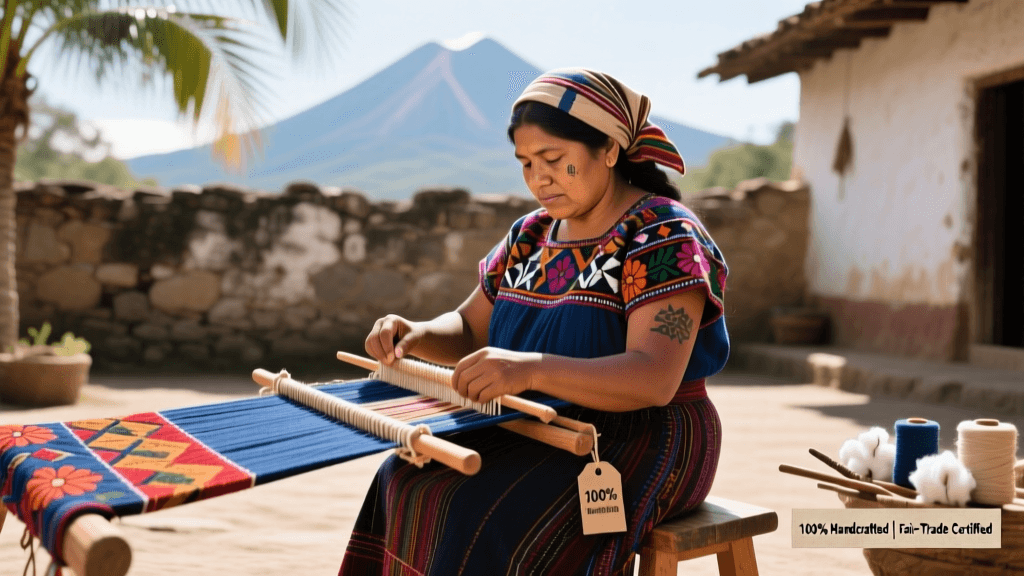
Authentic Mayan huipiles are woven on a telar de cintura, or backstrap loom. This ancient, pre-Columbian technology consists of a series of wooden rods and sticks, with one end tied to a fixed post or tree and the other secured around the weaver’s lower back via a leather or woven strap. The weaver’s body becomes an integral part of the loom, controlling the tension of the warp threads through subtle shifts in posture.
The mastery of the backstrap loom allows for complex techniques that cannot be replicated by modern industrial machinery. The most prominent of these is brocado (brocade), specifically supplementary weft patterning. In this technique, the weaver introduces additional colored threads into the weft to create intricate, raised geometric or figurative designs that appear to be embroidered but are actually woven directly into the fabric structure. A single, heavily brocaded huipil can take anywhere from three to six months of daily weaving to complete.
Decoding Regional Weaving Traditions
Every Mayan municipality possesses its own distinct textile dialect. The colors, motifs, and weaving techniques of a huipil immediately signal the wearer’s specific town of origin, marital status, and sometimes even her social standing. In 2026, collectors and textile enthusiasts focus heavily on three primary weaving hubs, each offering vastly different aesthetic and structural characteristics.
Nahualá: Heavy Cotton and Geometric Mastery
Located in the Sololá department, Nahualá is renowned for producing some of the heaviest and most durable huipiles in Guatemala. Woven from thick, hand-spun or high-grade commercial cotton, these garments are designed to withstand the harsh, cold climate of the highlands. The 2026 market highly prizes Nahualá pieces for their deep, rich color palettes—dominated by indigo blues, purples, and deep reds—and their complex geometric brocade featuring stylized stars, diamonds, and the rombo (rhombus) representing the Mayan worldview of the four corners of the universe.
San Juan La Laguna: Ikat and Natural Dyes
San Juan La Laguna is the epicenter of the jaspe (ikat) technique and natural dyeing in Guatemala. Here, weavers tie and dye the warp threads before weaving, creating beautiful, blurred, and organic patterns. The 2026 renaissance of eco-conscious fashion has placed a massive spotlight on San Juan’s use of natural dyes derived from local flora: indigo for blues, sacatinta for deep blacks, and the cochineal insect for vibrant reds and pinks. The huipiles from this region are generally lighter, softer, and feature subtle, elegant motifs like birds, flowers, and the sacred ceiba tree.
Chichicastenango: Vibrant Florals and Ceremonial Splendor
Chichicastenango produces some of the most visually striking and colorful huipiles, often characterized by a lighter cotton base that is heavily adorned with vibrant magenta, yellow, and green floral and geometric brocade. The town is also famous for its elaborate ceremonial huipiles, which feature intricate zig-zag patterns representing the feathers of the quetzal bird and the undulating movements of the serpent. These garments are highly sought after in the 2026 vintage and antique textile markets.
2026 Fair-Trade Pricing and Ethical Sourcing
One of the most pressing issues in the Latin American textile market today is the equitable compensation of indigenous artisans. For decades, middlemen have purchased huipiles for pennies and sold them at massive markups in Western boutiques. In 2026, ethical sourcing means bypassing these exploitative supply chains and purchasing directly from women’s cooperatives or verified fair-trade organizations.
Organizations like Trama Textiles have been instrumental in empowering over 400 Mayan weavers across the Guatemalan highlands, ensuring they receive a living wage, access to healthcare, and business education. When you purchase a huipil through a certified cooperative, you are not just buying a garment; you are investing in the economic sovereignty of indigenous women and the preservation of intangible cultural heritage.
Comparison Table: Regional Huipil Characteristics & 2026 Market Pricing
| Region | Primary Technique | Signature Motifs | 2026 Fair-Trade Price Range (USD) | Avg. Weaving Time |
|---|---|---|---|---|
| Nahualá | Heavy Cotton Brocade | Geometric stars, rhombus, zoomorphs | $180 - $350 | 4 - 6 Months |
| San Juan La Laguna | Jaspe (Ikat) & Natural Dyes | Ceiba tree, birds, organic waves | $120 - $220 | 2 - 3 Months |
| Chichicastenango | Light Cotton Floral Brocade | Vibrant florals, quetzal feathers | $140 - $280 | 3 - 5 Months |
| San Antonio Aguas Caliente | Double-faced Brocade (Marcador) | Intricate birds, diamonds, fine lines | $250 - $500+ | 6 - 8 Months |
How to Spot Mass-Produced Imitations
As the demand for indigenous aesthetics grows, so does the market for factory-made counterfeits. In 2026, imported, machine-embroidered blouses are frequently passed off as authentic Mayan huipiles in tourist markets and online platforms. Knowing how to differentiate between a handwoven masterpiece and a factory imitation is essential for any serious collector or ethical consumer.
The Reverse Side Test: The most reliable way to authenticate a brocaded huipil is to turn it inside out. Handwoven supplementary weft brocade will show a nearly identical pattern on the reverse side, albeit with the colors inverted and slight, organic irregularities where the weaver changed threads. Machine embroidery, on the other hand, will show a chaotic mess of loose threads, bobbin tracks, and backing material on the reverse side.
The Selvedge and Seams: Authentic huipiles are woven in one, two, or three separate panels on a backstrap loom and then hand-stitched together using a traditional randa (decorative joining stitch). If the fabric features continuous, factory-finished selvedges and machine-serged seams, it is not a traditional handwoven textile.
Imperfections as Hallmarks: The Museo Ixchel del Traje Indígena emphasizes that the slight asymmetries and tension variations in handwoven textiles are not flaws, but rather the signature of the human hand. Perfect, uniform symmetry across a complex brocade pattern is a strong indicator of digital, computerized loom production.
Caring for Handwoven Cotton and Natural Dyes
Owning an authentic huipil requires a commitment to proper garment care, especially for pieces utilizing natural dyes and hand-spun cotton. The 2026 consensus among textile conservators is that harsh chemicals and modern washing machines are the enemies of indigenous textiles.
- Washing: Always hand wash your huipil in cold water using a pH-neutral, undyed textile soap. Never use bleach or enzymatic detergents, as these will strip natural dyes like indigo and cochineal and degrade the cotton fibers.
- Drying: Never wring or twist the garment, as this can warp the tension of the backstrap-woven fabric. Gently press the water out between two clean towels and lay it flat to dry in the shade. Direct sunlight will rapidly fade natural dyes.
- Storage: Store your huipiles flat or gently rolled in acid-free tissue paper. Hanging heavy brocaded huipiles for long periods can cause the warp threads to stretch and distort under the weight of the supplementary weft patterns.
Conclusion
The Mayan huipil is a triumph of human ingenuity and a profound expression of cultural survival. As we navigate the 2026 textile landscape, the responsibility falls upon us as consumers to honor the time, skill, and ancestral knowledge woven into every thread. By prioritizing ethical sourcing, educating ourselves on regional techniques, and supporting indigenous-led cooperatives and advocacy groups like Cultural Survival, we ensure that the backstrap loom continues to clack in the highlands of Guatemala for generations to come. Whether you are acquiring a heavy Nahualá brocade for a collection or a delicate San Juan jaspe for daily wear, you are participating in the vital preservation of Latin America's most extraordinary textile arts.