Oaxacan Huipil Textile Guide 2026: Looms & Buying Tips
The Enduring Legacy of the Oaxacan Huipil in 2026
The Oaxacan huipil is far more than a traditional garment; it is a wearable codex of Mesoamerican history, cosmology, and indigenous identity. Worn primarily by Zapotec and Mixtec women in the southern Mexican state of Oaxaca, the huipil (pronounced wee-peel) is a masterclass in slow fashion and ancestral engineering. As we navigate the global textile market in 2026, the demand for sustainable, culturally significant garments has reached an all-time high. However, this surge in popularity has also triggered an influx of mass-produced, machine-embroidered counterfeits that threaten the livelihoods of indigenous weavers.
For collectors, cultural enthusiasts, and ethical fashion advocates, understanding the anatomy of an authentic Oaxacan huipil is essential. This comprehensive guide will walk you through the intricate backstrap loom techniques, the chemistry of natural dyes, and the actionable steps required to ethically source and care for these masterpieces in today's market.
The Cultural Codex: Reading the Brocade
Before evaluating the physical construction of a huipil, one must understand its visual language. Traditional Oaxacan huipils are not merely decorated; they are encoded. The brocade patterns woven directly into the fabric serve as geographic and spiritual identifiers.
- The Diamond (El Rombo): Representing the four corners of the universe and the cyclical nature of time, this is one of the most ancient motifs found in Mesoamerican textiles.
- The Double-Headed Eagle: A post-conquest syncretic motif blending indigenous cosmology with European heraldry, often seen in huipils from the Isthmus of Tehuantepec.
- Local Flora and Fauna: Weavers from San Bartolomé Yautepec frequently incorporate stylized iguanas, scorpions, and local marigolds, tying the garment directly to the micro-ecosystem of their village.
In 2026, cultural preservation organizations and local artisan guilds are actively educating buyers on these symbols to prevent the appropriation and mislabeling of sacred garments by fast-fashion conglomerates.
Material Sourcing: Coyuche Cotton and Natural Dyes
The foundation of an authentic huipil is its fiber. While commercial acrylics and synthetic cottons dominate the tourist markets, true artisan cooperatives rely on native, hand-spun cottons. The most prized among these is algodón coyuche, a naturally brown, drought-resistant cotton indigenous to the Oaxacan coast and central valleys. Because it is naturally pigmented, coyuche cotton requires no dyeing, resulting in a fabric that is incredibly soft, breathable, and historically significant.
The Chemistry of Ancestral Dyes
When color is introduced, master dyers utilize a sophisticated palette derived entirely from the local environment. The 2026 market has seen a massive resurgence in demand for these bio-dyes, pushing the cost of raw materials higher due to climate impacts on regional agriculture.
'The cultivation of nopal cactus for cochineal rearing is a delicate science. A shift in seasonal rainfall can alter the acidity of the insect's carminic acid output, changing the final hue from a vibrant crimson to a deep, bruised purple.' — Master Dyer, Teotitlán del Valle Cooperative.
| Dye Source | Color Yield | Mordant Required | 2026 Cost Factor |
|---|---|---|---|
| Cochineal (Insect) | Red, Purple, Pink | Alum, Lime, or Acid | High (Labor-intensive rearing) |
| Indigo (Añil Plant) | Deep Blue, Navy | Alkaline fermentation vat | Very High (Complex extraction) |
| Marigold (Cempasúchil) | Golden Yellow, Orange | Alum | Moderate (Seasonal harvest) |
| Pecan Shells / Oak Bark | Brown, Tan, Black | Iron (Rust water) | Low (Abundant agricultural byproduct) |
Backstrap Loom vs. Pedal Loom: A Weaver’s Comparison
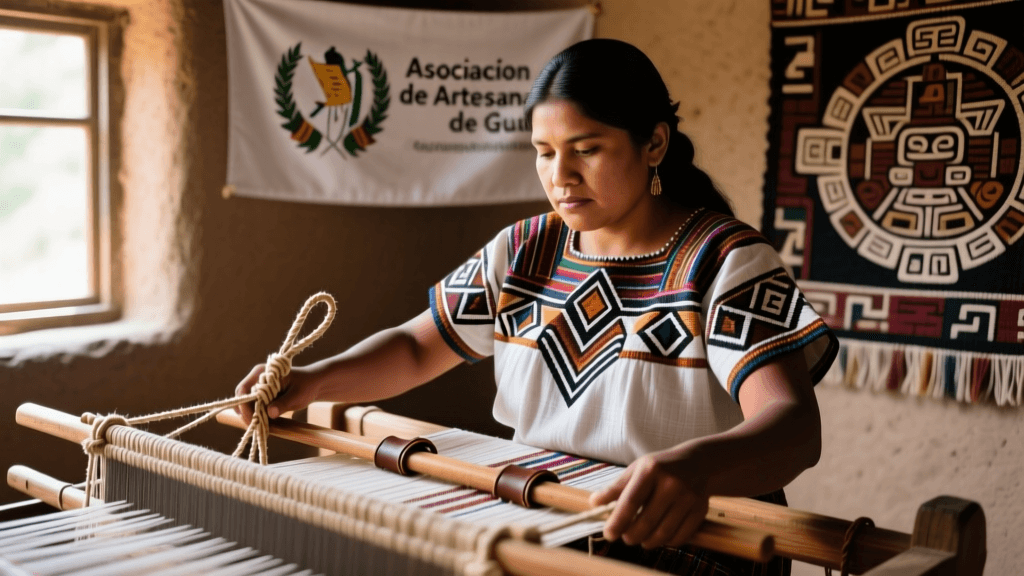
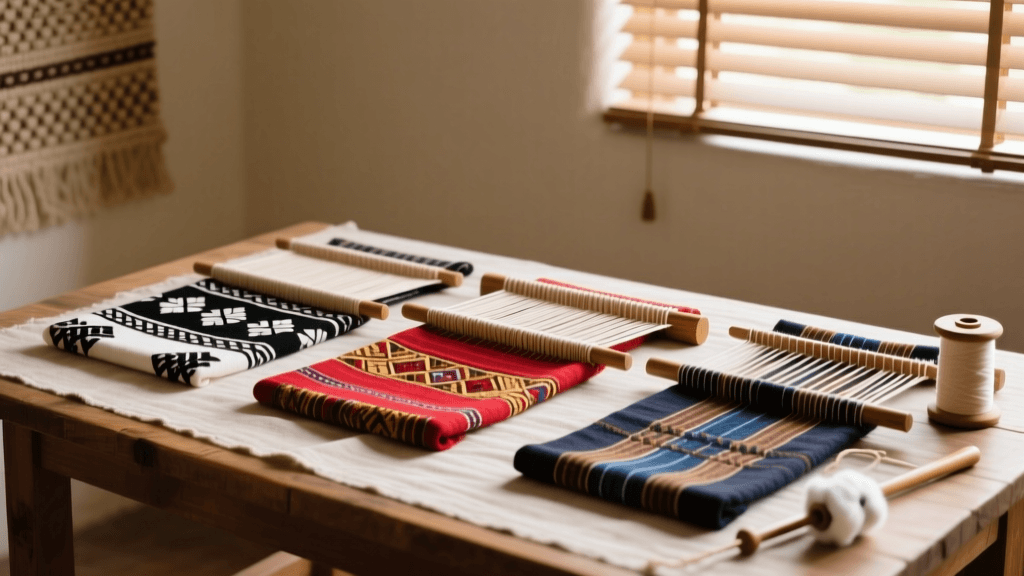
To authenticate an Oaxacan huipil, you must be able to identify the tool used to create it. The backstrap loom (telar de cintura) is the pre-Hispanic standard for huipils, while the pedal loom (telar de pedal) was introduced by the Spanish in the 16th century and is typically used for larger items like rugs or rebozos. However, some modern weavers use pedal looms for wider huipil panels. Knowing the difference is critical for accurate valuation.
| Feature | Backstrap Loom (Telar de Cintura) | Pedal Loom (Telar de Pedal) |
|---|---|---|
| Width Constraint | Limited to the weaver's hip width (approx. 18-24 inches). Panels must be sewn together. | Can produce wide, continuous bolts of fabric (up to 60+ inches). |
| Tension Control | Controlled entirely by the weaver's body weight and posture. | Controlled by the wooden frame and mechanical pedals. |
| Selvage Edges | Finished on all four sides directly on the loom; no cutting required. | |
| Time to Complete | 3 to 8 months for a fully brocaded huipil. | 2 to 4 weeks for plain weave; longer for complex tapestry. |
| 2026 Fair Trade Price | $450 - $1,200+ USD | $150 - $400 USD |
When examining a huipil, look at the seams. An authentic backstrap-loom huipil will feature two or three narrow panels joined together by intricate, hand-stitched randa (decorative seaming). If the garment is cut from a single wide piece of fabric and the edges are serged or hemmed by machine, it was not woven on a backstrap loom.
How to Spot Mass-Produced Counterfeits in 2026
The rise of AI-generated textile patterns and high-speed digital embroidery machines has flooded international markets with 'boho-chic' knockoffs that mimic Oaxacan aesthetics. To protect your investment and respect indigenous intellectual property, use this 2026 buyer’s checklist:
1. The Brocade Integration Test
Turn the garment inside out. In a true brocade weave, the decorative pattern is created by adding supplementary weft threads during the weaving process. The pattern should be visible (though slightly messier) on the reverse side. If the inside is covered in white, paper-like backing or a tangled web of machine jump-stitches, it is a machine-embroidered fake.
2. The Dye Scent and Bleed Test
Natural dyes possess an earthy, organic scent. Cochineal smells faintly of dried dust and berries, while indigo carries a sharp, fermented, grassy aroma. Synthetic dyes smell of petroleum and chemicals. Furthermore, if you rub a damp white cloth against deep red or blue areas and it picks up intense, uniform color immediately, beware. While natural dyes do bleed slightly, they do so softly; harsh, immediate chemical bleeding indicates synthetic aniline dyes.
3. Check for Digital Authenticity Tags
As of 2026, several prominent weaving cooperatives in Teotitlán del Valle and the Mixteca region have begun weaving microscopic, wash-proof NFC (Near Field Communication) threads into the bottom hem of their premium huipils. Scanning the hem with a smartphone reveals the weaver's name, village, material breakdown, and fair-trade certification, effectively combating fast-fashion plagiarism. Organizations like the Friends of Oaxacan Folk Art (FOFA) frequently publish updated directories of cooperatives utilizing these transparency technologies.
Ethical Sourcing: Where and How to Buy
Purchasing a huipil is a significant financial and cultural transaction. The global recognition of indigenous textile rights, supported by frameworks like the UNESCO Intangible Cultural Heritage guidelines, has empowered artisans to demand fair compensation for their labor.
Direct from Cooperatives: The most ethical way to buy is directly from artisan-owned cooperatives in Oaxaca. Villages such as San Juan Colorado (famous for coyuche cotton and indigo) and Santa María Alotepec (known for intricate Mixtec brocade) welcome respectful buyers. Expect to pay between $450 and $850 USD for a daily-wear backstrap huipil, and upwards of $1,500 USD for a ceremonial piece featuring vintage-style natural dyes.
Vetted Online Galleries: If you cannot travel to Oaxaca, purchase exclusively through NGOs and fair-trade galleries that maintain direct, documented relationships with the weavers. Avoid massive e-commerce platforms where algorithms prioritize cheap, stolen designs over authentic craftsmanship. Institutions like The Textile Museum often host curated, ethical sales and exhibitions that connect global collectors with verified indigenous artists.
Garment Care: Preserving Cochineal and Indigo
An authentic, naturally dyed huipil is a living textile that requires specific care to maintain its structural integrity and color vibrancy over decades.
- Washing: Never use commercial laundry detergents, which are highly alkaline and will strip natural dyes or alter their pH (turning cochineal red into a dull, muddy brown). Wash by hand in cold water using a pH-neutral, artisan textile soap or baby shampoo.
- Drying: Never wring or twist the cotton, as this breaks the hand-spun fibers. Gently press the water out between two clean, white towels. Lay the garment flat in the shade. Never dry a naturally dyed huipil in direct sunlight, as UV rays will rapidly degrade organic indigo and marigold pigments.
- Storage: Store the huipil flat or gently rolled in acid-free tissue paper inside a cedar chest. Avoid wire hangers, which will distort the shoulder seams and stretch the hand-woven cotton over time.
Conclusion
The Oaxacan huipil remains one of the most sophisticated and culturally profound garments in the Americas. By understanding the mechanics of the backstrap loom, the chemistry of ancestral dyes, and the vital importance of ethical sourcing, you can build a collection that honors the indigenous weavers who keep these ancient traditions alive in 2026 and beyond.