Authentic Navajo Biil Dress & Churro Wool Sourcing 2026
The Enduring Legacy of the Navajo Biil Dress
Indigenous North American dress traditions are as diverse as the landscapes from which they originate, reflecting deep spiritual beliefs, environmental adaptation, and centuries of artistic evolution. In the arid expanses of the American Southwest, the intersection of textile art and traditional garment-making reaches its zenith among the Diné (Navajo) and Hopi peoples. As we navigate the cultural landscape in 2026, there is a profound resurgence of interest in authentic, handwoven Indigenous garments. This revival is not merely a fashion trend; it is a powerful movement toward cultural reclamation, sustainable fashion, and the support of Indigenous sovereignty. For collectors, cultural practitioners, and enthusiasts of traditional garments, understanding the nuances of Southwest weaving is essential.
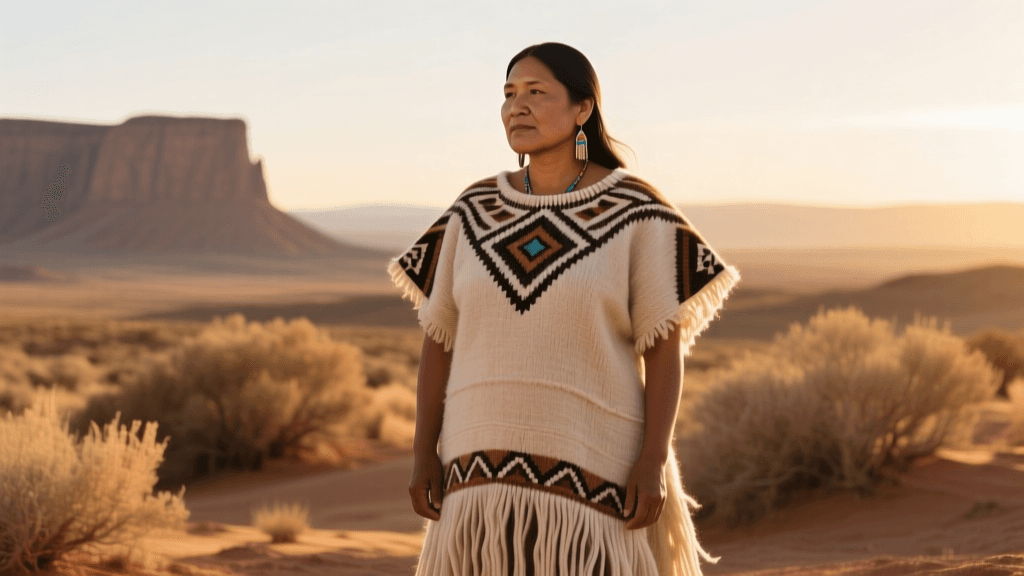
At the heart of Diné women’s traditional regalia is the biil, a stunning two-piece dress that exemplifies the structural brilliance of Navajo weaving. Unlike cut-and-sewn garments, the biil is woven as two identical rectangular panels on an upright loom. These panels are then joined at the shoulders and down the sides, leaving openings for the arms and head. The dress is traditionally worn belted with a woven sash or a silver concho belt, creating a striking silhouette that has remained largely unchanged for generations. In 2026, the biil continues to be a vital garment for significant life events, including Kinaaldá (coming-of-age ceremonies), graduations, and tribal gatherings.
Churro Sheep Wool: The Foundation of Southwest Garments
The soul of the biil, and indeed the entirety of traditional Navajo textile arts, is the Navajo-Churro sheep. Brought to the Americas by Spanish explorers in the 16th century, the Churro was quickly adopted by the Diné, becoming inextricably linked to their cultural and economic survival. Churro wool is prized for its long, lustrous fibers, low lanolin content, and remarkable durability, making it exceptionally well-suited for hand-spinning and weaving without the need for extensive commercial scouring.
The history of the Churro sheep is marked by tragedy and resilience. Following the devastating Long Walk of 1864 and subsequent government-led stock reductions in the 1930s, the breed was pushed to the brink of extinction. Today, thanks to the tireless efforts of Indigenous shepherds and preservationists, the breed is experiencing a renaissance. According to the Livestock Conservancy, the Navajo-Churro remains a vital heritage breed, with 2026 flock management strategies focusing on genetic diversity and the preservation of natural wool colors, ranging from deep blacks and rich browns to creamy whites and striking greys. This natural color palette allows weavers to create intricate, undyed patterns that are highly sought after in the contemporary market.
Hopi Cotton and Yucca Fiber: Contrasting Southwest Traditions
While the Diné mastered the art of wool weaving, their neighbors, the Hopi, developed a profound relationship with cotton and plant fibers. Historically, Hopi men were the primary weavers, working in subterranean kivas to create intricate cotton kilts, sashes, and ceremonial garments. The Hopi tradition relies heavily on the backstrap loom and the upright loom, utilizing cotton that was historically cultivated in the desert washes, as well as yucca fibers for sandals, cords, and utilitarian textiles.
In 2026, Hopi textile artists continue to honor these ancient methods, though the cultivation of indigenous desert cotton has faced challenges due to prolonged regional droughts. Consequently, many Hopi weavers now source high-quality, organically grown cotton from neighboring Indigenous agricultural cooperatives. The resulting garments, particularly the embroidered wedding sashes and the intricate kilts worn during the Niman Kachina dances, represent a masterclass in tension, geometry, and spiritual symbolism. Understanding the distinction between Diné wool and Hopi cotton traditions is crucial for anyone studying the regional variations of Indigenous North American dress.
2026 Sourcing Guide: Ethical Purchasing and Pricing
Sourcing authentic Indigenous garments in 2026 requires diligence, respect, and a commitment to ethical commerce. The proliferation of mass-produced, culturally appropriated "Southwest-style" textiles has made it more important than ever to verify the origins of your purchases. The Indian Arts and Crafts Board (IACB) actively enforces the Indian Arts and Crafts Act, which makes it illegal to misrepresent goods as being Indian-produced. When investing in a Navajo biil or Hopi cotton sash, buyers must ensure they are purchasing directly from enrolled tribal members or certified Indigenous-owned cooperatives.
The market for heritage textiles has seen a steady increase in value, reflecting the immense labor and skill required to produce them. A single biil dress can take a master weaver several months to complete, from shearing and carding the wool to spinning, dyeing, and finally weaving the panels. Below is a comprehensive breakdown of the 2026 market rates for authentic Southwest Indigenous textiles and garments.
| Item Category | Material & Technique | 2026 Estimated Price Range (USD) | Lead Time |
|---|---|---|---|
| Raw Churro Fleece | Unwashed, naturally colored (per lb) | $35 - $60 | Immediate / Seasonal |
| Hand-Spun Churro Yarn | Drop-spindle spun, botanical dyes (per oz) | $15 - $25 | 2 - 4 Weeks |
| Woven Churro Yardage | Upright loom, traditional twill (per sq ft) | $150 - $300 | 1 - 2 Months |
| Authentic Navajo Biil Dress | Two-panel, handwoven, natural dyes | $2,500 - $6,000+ | 4 - 8 Months |
| Hopi Cotton Sash | Backstrap woven, embroidered ends | $800 - $1,500 | 2 - 3 Months |
How to Verify Authenticity in 2026
When navigating the 2026 market, rely on established trading posts on the Navajo Nation, such as those in Chinle or Toadlena, or purchase directly from artists at verified events like the Santa Fe Indian Market. The Smithsonian National Museum of the American Indian frequently highlights the importance of provenance in textile collections, noting that authentic pieces carry the distinct tension variations and selvedge lines unique to the individual weaver. Always request a certificate of authenticity and, when possible, documentation of the weaver’s tribal enrollment.
Caring for Handwoven Churro Wool Garments
Owning a handwoven biil or a piece of heritage Churro wool textile is an investment in living history. Proper care is essential to preserve the structural integrity and natural lanolin of the fibers. Unlike commercial wools, hand-spun Churro wool should never be subjected to harsh chemical dry cleaning or aggressive agitation.
- Cleaning: Spot clean with cold water and a mild, pH-neutral soap specifically formulated for natural fibers. If a full wash is necessary, submerge the garment in cool water, gently press the suds through the fabric without wringing, and roll it in a clean towel to absorb excess moisture.
- Drying: Always lay the garment flat to dry on a breathable mesh rack, away from direct sunlight, which can fade natural botanical dyes like wild walnut hulls and rabbitbrush.
- Storage: Store wool garments in a cool, dry environment. Use acid-free tissue paper to fold the biil, preventing hard creases that could eventually weaken the warp threads. Avoid plastic bags, which trap moisture; instead, use breathable cotton storage bags.
- Pest Prevention: Protect your textiles from moths by storing them with natural deterrents like cedar blocks or dried lavender, rather than chemical mothballs which can degrade the natural oils in the Churro wool.
Conclusion
The traditions of the Navajo biil dress and Hopi cotton weaving are far more than historical artifacts; they are vibrant, evolving practices that sustain Indigenous communities and economies in 2026. By understanding the regional distinctions, the vital importance of the Navajo-Churro sheep, and the ethical frameworks required for authentic sourcing, collectors and cultural enthusiasts can participate in the preservation of these magnificent North American dress traditions. Whether you are acquiring a piece for a personal collection, supporting a master weaver, or studying the rich tapestry of Indigenous regalia, approaching these garments with knowledge and respect ensures their legacy will endure for generations to come.