Authentic Zapotec Huipils: 2026 Sourcing & Care Guide
The Cultural Heritage of the Zapotec Huipil in 2026
The Zapotec huipil is far more than a traditional garment; it is a woven codex of identity, geography, and cosmology. Originating from the indigenous Zapotec people of Oaxaca, Mexico, these intricate tunics have been worn for centuries. As we navigate the 2026 global fashion landscape, the demand for authentic, slow-fashion indigenous textiles has reached unprecedented heights. Collectors, designers, and cultural enthusiasts are increasingly seeking out genuine handwoven pieces, driven by a desire to support artisan communities and preserve ancestral techniques.
However, this surge in popularity has also flooded the market with machine-made imitations and culturally appropriated designs. For the conscious consumer in 2026, understanding the nuances of Zapotec weaving is essential. Whether you are traveling to the Central Valleys of Oaxaca or sourcing from verified international cooperatives, knowing how to identify, price, and care for an authentic huipil ensures that your investment honors the artisans and their heritage.
Decoding the Weave: The Backstrap Loom and Brocade Techniques
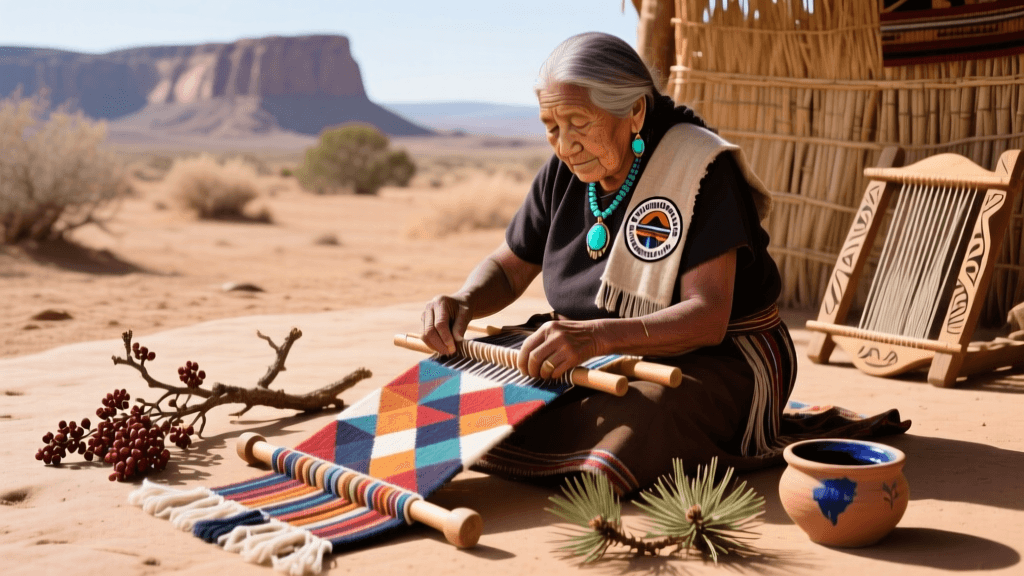
Authentic Zapotec huipiles are traditionally woven on a telar de cintura, or backstrap loom. This ancient device consists of a series of wooden rods, a heddle, and a batten, with one end tied to a fixed post and the other secured around the weaver’s lower back. The weaver controls the tension of the warp threads with her own body weight, allowing for a tightly packed, durable fabric that power looms struggle to replicate.
Brocade vs. Surface Embroidery
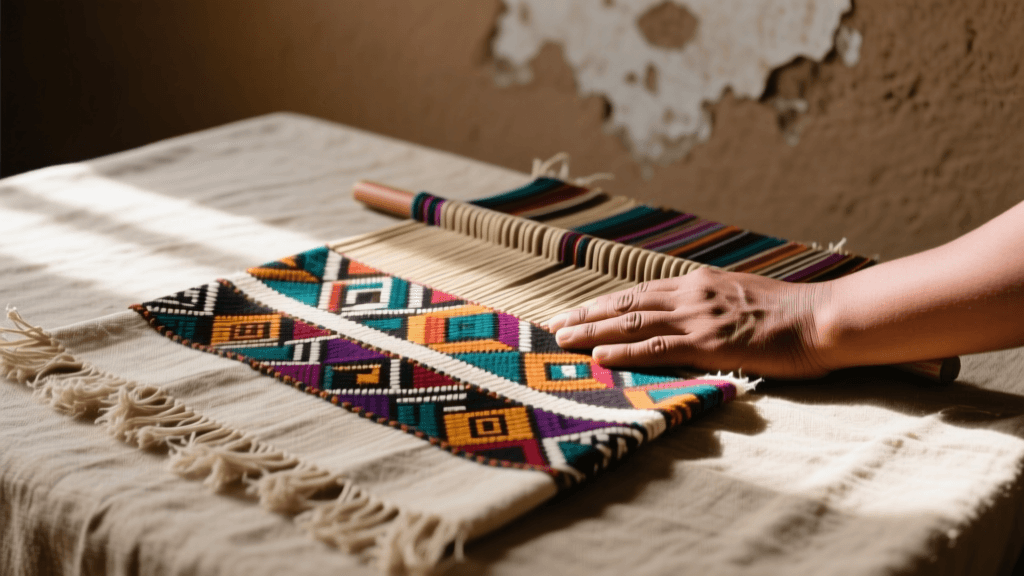
One of the most critical skills for a textile buyer in 2026 is distinguishing between true brocade (trama suplementaria) and surface embroidery. In authentic Zapotec brocade, the decorative patterns are woven directly into the fabric as it is being created on the loom. The artisan introduces supplementary weft threads of colored cotton or silk, interlacing them with the structural warp and weft.
To verify this, examine the reverse side of the garment. If the piece is genuinely brocaded, the pattern will be visible (though often with floating threads or a mirrored, slightly less defined appearance) on the inside. If the design is purely surface embroidery, the inside of the garment will show chaotic, overlapping stitch lines, and the base fabric will be plain. While Oaxacan embroidery (such as the floral smocking from San Antonino Castillo Velasco) is a beautiful and valid art form in its own right, it is structurally different from woven brocade and should be priced and categorized accordingly.
2026 Market Realities and Fair Pricing
The pricing of authentic indigenous textiles has evolved significantly. In 2026, artisan advocacy groups and organizations like the Fondo Nacional para el Fomento de las Artesanías (FONART) have successfully campaigned for fair compensation, educating consumers that a handwoven huipil represents weeks or even months of intensive labor. Haggling aggressively in local markets is now widely discouraged by ethical tourism boards, as it undermines the economic stability of the weavers.
Below is a structured guide to the average 2026 market prices for authentic, handwoven Zapotec huipiles, reflecting fair-trade compensation for the artisans.
| Garment Type | Primary Material | Weaving Technique | Est. Production Time | 2026 Average Price (USD) |
|---|---|---|---|---|
| Everyday Huipil | Commercial Cotton | Plain weave, minimal brocade | 2 to 4 Weeks | $90 - $160 |
| Festive / Ceremonial | Cotton & Artificial Silk | Complex supplementary weft | 1 to 3 Months | $250 - $450 |
| Wedding Huipil (Novia) | Hand-spun Coyuche Cotton & Silk | Full-coverage intricate brocade | 4 to 8 Months | $600 - $1,200+ |
Where to Source Authentic Huipiles Ethically
Finding genuine Zapotec textiles requires bypassing the middlemen who often sell factory-made goods in tourist hubs. In 2026, the most reliable method for sourcing authentic pieces is through established cultural institutions and verified artisan cooperatives.
The Museo Textil de Oaxaca (MTO)
The boutique at the Museo Textil de Oaxaca remains the gold standard for ethically sourced garments. The museum works directly with weaving communities across the state, ensuring that every piece sold is accompanied by a tag detailing the artisan's name, their village of origin, the materials used, and the time taken to weave the piece. Purchasing here guarantees authenticity and ensures that the profits directly support the indigenous creators and the museum's preservation efforts.
Direct Village Sourcing and Cooperatives
For those traveling through Oaxaca in 2026, visiting weaving villages such as Santa María Tlahuitoltepec or the Isthmus of Tehuantepec offers a profound connection to the craft. Look for cooperatives like Mujeres Artesanas de las Regiones de Oaxaca (MARO), which aggregate the work of female weavers, providing them with a unified storefront and protecting them from predatory wholesale buyers. When buying directly from an artisan in a market setting, ask about the coyuche (naturally brown indigenous cotton) or the natural dyes used, such as cochineal (red) and indigo (blue). Artisans are usually eager to share their dyeing and weaving processes with respectful buyers.
Essential Care Instructions for Handwoven Cotton and Silk
Investing in a handwoven Zapotec huipil requires a commitment to proper garment care. The structural integrity of backstrap-woven cotton and the vibrancy of natural or commercial dyes can be compromised by modern laundering habits. Follow these actionable care steps to preserve your textile for generations.
Washing and Cleaning
- Never Machine Wash: The agitation of a washing machine will distort the warp tension and cause severe shrinkage or fraying of the selvedge edges.
- Use pH-Neutral Cleansers: Wash the huipil by hand in cold water using a pH-neutral detergent. Orvus WA Paste (a quilt conservation soap) or a mild, unscented baby shampoo are ideal choices for 2026 textile care.
- Avoid Soaking: Do not let the garment soak for extended periods, especially if it features vibrant reds or deep blues, as dye bleeding is common in artisanal textiles. Submerge, gently agitate for three to five minutes, and rinse immediately.
Drying and Storage
Never wring or twist a handwoven huipil, as this will permanently break the cotton or silk fibers. Instead, lay the wet garment flat on a clean, dry, white cotton towel. Roll the towel up like a sleeping bag to gently press out the excess moisture. Unroll it and lay the huipil flat on a drying rack in a shaded, well-ventilated area. Direct sunlight will rapidly fade both natural and synthetic dyes.
When storing your huipil, avoid wire hangers, which can stretch the shoulder seams and distort the woven grid. Fold the garment loosely with acid-free tissue paper to prevent hard creases, and store it in a breathable cotton pillowcase or a cedar-lined drawer to protect against moisture and textile pests. If ironing is necessary, always use a low-heat setting and place a damp pressing cloth between the iron and the huipil to avoid scorching the fibers or flattening the textured brocade patterns.
Conclusion
The Zapotec huipil is a testament to the resilience and artistic genius of Oaxaca’s indigenous women. By educating yourself on the mechanics of the backstrap loom, committing to fair 2026 pricing, and practicing meticulous garment care, you become an active participant in the preservation of Latin American textile arts. Every authentic thread tells a story—ensure you are supporting the voices that weave them.