Diné Velvet Shirts & Turquoise Adornment: 2026 Guide
The Sartorial Heritage of the Diné People
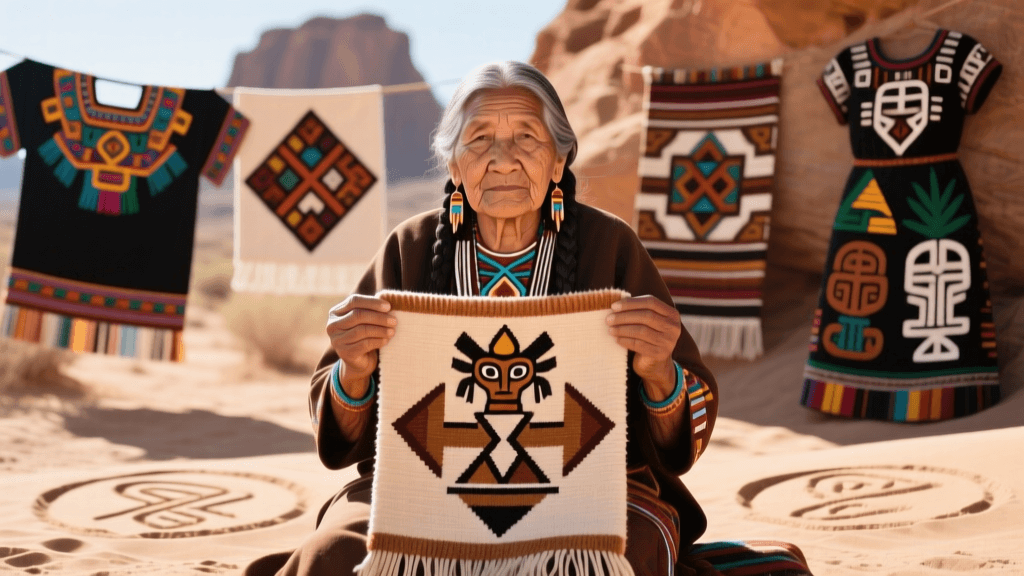
The clothing traditions of the Diné (Navajo) people represent one of the most recognizable, culturally significant, and visually striking sartorial identities in Indigenous North America. Rooted in the expansive, high-desert landscapes of the Southwestern United States, Diné dress has evolved over centuries, adapting to new materials while maintaining a profound connection to cultural identity, spirituality, and the natural world. As we navigate 2026, the preservation and revitalization of these traditions are more vibrant than ever, with contemporary Diné artisans and elders ensuring that the iconic velvet shirts and turquoise adornments remain central to both ceremonial life and modern Indigenous fashion.
For collectors, cultural enthusiasts, and those seeking to understand the deep material history of the Americas, examining Diné regalia offers a masterclass in the intersection of trade history, artistic innovation, and Indigenous resilience. This comprehensive guide explores the anatomy of the traditional Diné velvet shirt, the spiritual weight of turquoise and silverwork, regional variations across the Navajo Nation, and essential advice for sourcing and caring for these garments in 2026.
From Woven Wool to Trade Velvet: A Historical Evolution
Before the mid-19th century, Diné garments were primarily crafted from locally sourced materials. Early clothing utilized woven yucca fibers, cedar bark, and animal hides. Following the introduction of Churro sheep by Spanish colonizers in the late 16th and 17th centuries, the Diné became master weavers, creating stunning, utilitarian wool blankets and wearing garments that were highly prized across the Southwest. However, the late 19th and early 20th centuries brought significant shifts in material culture due to the establishment of trading posts across the Navajo Nation.
European and American traders introduced new textiles, most notably cotton velveteen. The Diné quickly adopted this rich, light-catching fabric, integrating it into their existing aesthetic sensibilities. Unlike the heavy wool garments suited for harsh winters, velveteen offered a luxurious drape and a formal elegance that made it ideal for ceremonial gatherings, political meetings, and social dances. By the mid-20th century, the velvet shirt, paired with intricate silver and turquoise jewelry, had become the definitive standard for Diné formalwear and regalia, a status it proudly holds today.
The Anatomy of the Traditional Diné Velvet Shirt
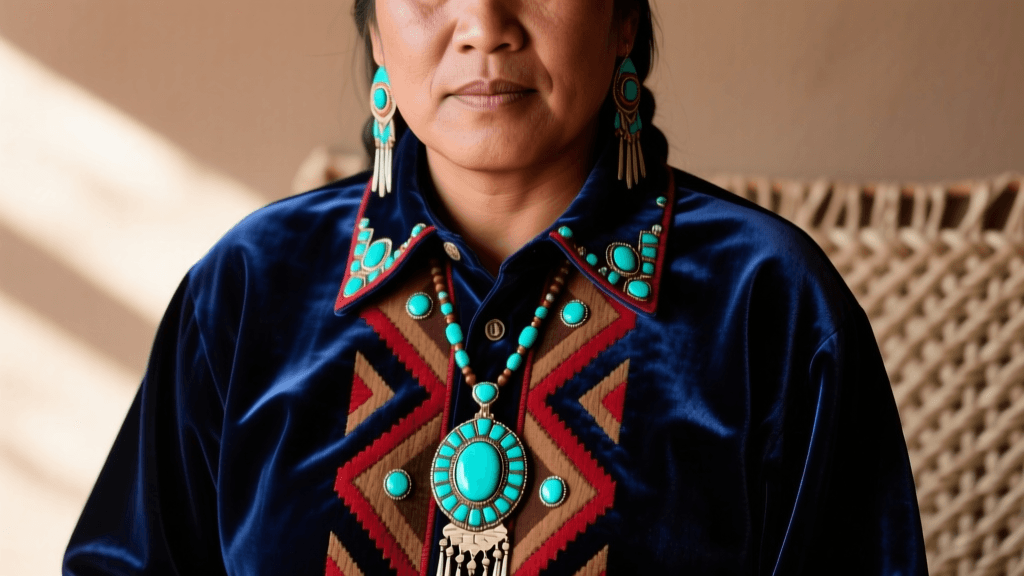
The traditional Diné velvet shirt is a study in tailored elegance and subtle detailing. While contemporary fashion trends fluctuate, the foundational elements of the velvet shirt have remained remarkably consistent, serving as a canvas for the wearer's most prized jewelry.
Fabric and Cut
In 2026, high-quality cotton velveteen remains the gold standard for authentic shirts, prized for its durability, breathability, and deep, matte-to-lustrous finish that shifts beautifully in the Southwestern sunlight. While some modern iterations experiment with crushed velvet or synthetic blends for cost and weight reduction, traditionalists and master tailors continue to source premium, medium-weight cotton velveteen. The cut is generally relaxed but structured, featuring a straight yoke across the shoulders, long sleeves with buttoned or snapped cuffs, and a straight hem designed to be worn tucked in or layered under a concho belt.
Piping and Hardware
One of the most distinctive features of the Diné velvet shirt is the contrast piping. Tailors often use satin or silk bias tape to line the collar, the front placket, the cuffs, and the yoke. This piping is frequently chosen in colors that hold personal or familial significance, or to complement the specific hues of the wearer's turquoise jewelry. Traditional snap buttons, often covered in the same velvet or left in polished silver or brass, provide functional closure without disrupting the visual flow of the garment.
The Spiritual and Aesthetic Weight of Turquoise and Silver
No discussion of Southwest Indigenous dress is complete without addressing the profound role of turquoise (dootłʼizhii) and silver. For the Diné, turquoise is not merely a decorative stone; it is a sacred entity associated with protection, health, and the sky. When set in hand-stamped and cast silver, it becomes a wearable testament to the wearer's heritage, family wealth, and spiritual standing.
The Squash Blossom Necklace and Naja
The squash blossom necklace is perhaps the most iconic piece of Diné and broader Southwest Indigenous jewelry. The centerpiece of the necklace is the naja, a crescent-shaped pendant with origins tracing back to Moorish and Spanish horse bridles, which the Diné adapted and imbued with their own spiritual significance. The 'blossoms' flanking the naja are stylized representations of pomegranate flowers, another motif introduced via Spanish trade. In 2026, master silversmiths continue to craft these heavy, multi-strand necklaces using traditional tufa-cast and hand-stamped techniques, pairing them with high-grade, naturally occurring turquoise.
The Concho Belt
Worn over the velvet shirt, the silver concho belt is a hallmark of Diné formal regalia. Comprising large, oval or round silver plates (conchos) linked by leather or silver rings, these belts are heavily stamped with intricate geometric and floral motifs. A complete, high-quality vintage or contemporary concho belt can weigh several pounds, serving as both a functional garment anchor and a spectacular display of silversmithing prowess.
Regional Variations Across the Navajo Nation
The Navajo Nation spans over 27,000 square miles across Arizona, New Mexico, and Utah. This vast geography has given rise to distinct regional styles in dress, jewelry preferences, and tailoring. Understanding these nuances is crucial for serious collectors and cultural historians.
| Region | Velvet Shirt Characteristics | Jewelry & Adornment Preferences | Footwear Traditions |
|---|---|---|---|
| Eastern Agency (Window Rock, Chinle) |
Often features darker velvets (navy, black, deep burgundy) with subtle, tonal piping. Tailoring tends to be more conservative and formal. | Heavy preference for large, high-domed turquoise cabochons set in thick silver. Squash blossom necklaces are prominent at ceremonies. | Traditional hard-soled, two-piece buckskin moccasins, often dyed with mountain mahogany root for a distinct reddish hue. |
| Western Agency (Tuba City, Shiprock) |
Bolder contrast piping is common. Shirts may feature unique yoke embroidery or subtle beadwork accents integrated into the collar. | Highly intricate, multi-strand turquoise and silver beadwork. Bolos with elaborate silver tips and large turquoise slides are very popular. | Hard-soled moccasins with higher, more flared ankle flaps, often featuring intricate geometric stitching. |
| Ramah & Southern Regions | Lighter colors (grey, tan, light blue) are frequently worn, especially in summer. Shirts may have a slightly more relaxed, utilitarian cut. | Greater incorporation of spiny oyster shell and coral alongside turquoise. Silverwork often features finer, more delicate stamping patterns. | Standard two-piece moccasins, sometimes incorporating commercial rubber soles for durability in rugged, rocky terrain. |
Authentic Sourcing and the Market in 2026
As the global appreciation for Indigenous artistry continues to grow in 2026, so does the market for mass-produced, imported imitations. Sourcing authentic Diné velvet shirts and turquoise adornment requires diligence, respect for the artisans, and an understanding of federal protections.
The Indian Arts and Crafts Act
The cornerstone of authentic Native American art purchasing is the Indian Arts and Crafts Act. Enforced by the Indian Arts and Crafts Board (IACB), this federal truth-in-advertising law prohibits the misrepresentation of Native American-made arts and crafts. When purchasing a velvet shirt, concho belt, or turquoise necklace, buyers must ensure the item is created by a member of a state or federally recognized Tribe. Reputable galleries, certified Native art markets, and direct purchases from Diné artisans are the safest avenues for acquisition.
Supporting Contemporary Artisans
While vintage pieces from the mid-20th century are highly sought after by museums and private collectors, supporting living Diné artisans is vital for the continuation of these traditions. Organizations like the Native Arts and Cultures Foundation provide critical support to Indigenous makers. In 2026, many master tailors and silversmiths operate direct-to-consumer platforms, allowing buyers to commission custom velvet shirts tailored to their exact measurements, complete with ethically sourced, natural turquoise from closed or protected mines like Sleeping Beauty or Lander Blue.
Caring for Velvet Regalia and Silverwork
Proper preservation of Diné velvet garments and silver jewelry ensures they can be passed down through generations as family heirlooms. The materials require specific, mindful care.
Velvet Maintenance
- Storage: Never hang heavy velvet shirts on wire hangers, as this will distort the shoulder seams and crush the pile. Use padded, wide-shoulder wooden hangers. For long-term storage, fold the shirt loosely with acid-free tissue paper to prevent permanent creasing, and store it in a breathable cotton garment bag.
- Cleaning: Avoid traditional dry cleaning, as the harsh chemicals can strip the velveteen of its natural luster and degrade the contrast piping. Instead, use a specialized fabric steamer to gently lift wrinkles and refresh the pile. Spot clean stains immediately with a damp cloth and a mild, pH-neutral detergent.
- Brushing: Use a soft-bristled velvet brush to gently brush the fabric in the direction of the nap, removing dust and restoring the fabric's rich texture.
Silver and Turquoise Preservation
- Silver Polishing: The natural oxidation (patina) of vintage silver is highly valued and should not be aggressively removed. Use a soft, untreated microfiber cloth to gently buff the high points of the silver stamping. Avoid chemical silver dips, which can damage the porous turquoise stones.
- Turquoise Care: Turquoise is a porous, relatively soft stone. It must be kept away from harsh chemicals, perfumes, lotions, and prolonged exposure to water, which can alter its color or cause it to crack. Always put on turquoise jewelry after applying cosmetics and remove it before washing hands or swimming.
Conclusion: A Living Tradition
The Diné velvet shirt and its accompanying turquoise adornments are far more than historical artifacts or regional costumes; they are living, breathing expressions of Indigenous sovereignty, artistic excellence, and cultural continuity. As we move through 2026, the dedication of Diné tailors, silversmiths, and stone-cutters ensures that these garments remain a powerful visual language. By understanding the deep history, respecting regional variations, and committing to authentic, ethical sourcing, we honor the profound legacy of the Diné people and their enduring contributions to the textile and sartorial heritage of the Americas. For further exploration of Southwest Indigenous material culture, the archives and exhibitions at the Wheelwright Museum of the American Indian remain an invaluable resource for scholars and enthusiasts alike.