LDS Temple Garments in 2026: Meaning, Styles & Traditions
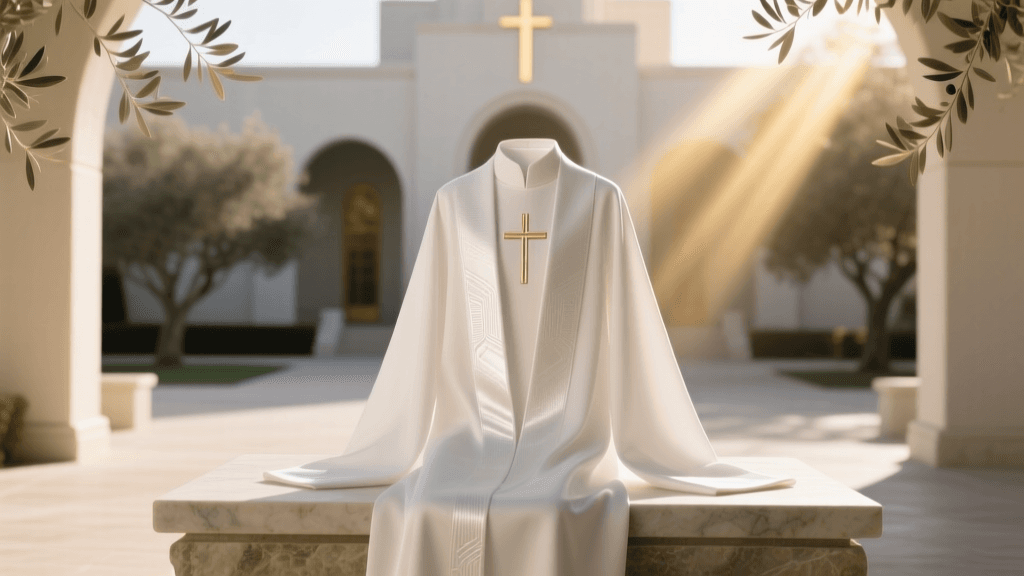
Understanding the Sacred Purpose of LDS Garments
Within the rich tapestry of American religious textiles, few garments carry as much personal significance and cultural misunderstanding as the temple garments worn by members of The Church of Jesus Christ of Latter-day Saints (often referred to as Mormon garments). For faithful adult members who have participated in the sacred temple endowment ordinance, these undergarments are a daily, physical reminder of the covenants they have made with God. Far from the sensationalized myths that sometimes circulate in popular culture, the garment is deeply rooted in the theology of spiritual protection, modesty, and devotion.
According to the Church's official Gospel Topics essay on Temple Garments, the practice dates back to the early days of the Restoration in the 1840s. However, the concept of wearing sacred undergarments as a reminder of divine covenants has historical precedents in various ancient religious traditions. Today, the garment serves as a private, personal expression of faith. It is worn beneath everyday clothing, day and night, acting as a shield against worldly temptations and a constant tactile reminder of the wearer's commitment to live a Christ-centered life.
Indigenous and Cultural Intersections in the Americas
As a publication dedicated to the garment traditions of the Americas and Indigenous cultures, it is vital to explore how the LDS temple garment intersects with Indigenous modesty and traditional dress across the Western Hemisphere. In regions with high populations of Indigenous Latter-day Saints—such as the Navajo Nation in the American Southwest, or among Maya communities in Guatemala and Mexico—members often navigate the integration of sacred temple clothing with traditional cultural attire.
For instance, Native American women who participate in powwows or cultural ceremonies often wear traditional ribbon skirts or fringed shawls. The requirement to wear the temple garment influences the design and layering of these traditional outfits, ensuring that necklines and hemlines accommodate the sacred undergarment without compromising the beauty of the Indigenous regalia. Similarly, in Latin American regions where traditional textile arts and modest dress are culturally prominent, the garment seamlessly integrates into the daily lives of members, bridging ancient cultural modesty with modern religious covenants.
2026 Textile Innovations and Modern Styles
The evolution of the temple garment from its 19th-century origins as a heavy, one-piece cotton union suit to the diverse, technologically advanced lineup available in 2026 is a testament to modern textile engineering. The Church’s Distribution Services has continually updated the garment catalog to meet the needs of a global membership living in diverse climates and engaging in active lifestyles.
In 2026, the focus is heavily on breathability, moisture-wicking capabilities, and inclusive sizing. The introduction of advanced modal-spandex blends has revolutionized the women’s garment line, offering stretch-lace options that provide comfort without sacrificing durability. For men and women living in tropical or high-humidity environments, cooling mesh and microfiber fabrics are now standard options. Furthermore, the Church has expanded its athletic line, featuring compression-style tops and specialized bottoms designed for runners, weightlifters, and military personnel, ensuring that the covenant reminder remains comfortable even during intense physical exertion.
2026 Garment Style Comparison Guide
The modern catalog offers a highly customizable approach to temple clothing. Below is a comprehensive breakdown of the primary styles available to members in 2026:
| Category | Specific Styles (2026 Catalog) | Best Use Case | Primary Fabric Composition |
|---|---|---|---|
| Women's Tops | Scoop Neck, V-Neck, Crew, Camisole, Stretch-Lace | Daily wear, formal events, athletic layering | Modal/Spandex, Cotton/Poly Blends |
| Men's Tops | Crew Neck, V-Neck, Athletic Compression | Daily undershirt, sports, professional dress | 100% Combed Cotton, CoolMax Mesh |
| Women's Bottoms | Brief, Hipster, Boyshort, Capri, Knee-Length | Daily wear, activewear, modesty layering | Stretch Cotton, Moisture-Wicking Nylon |
| Men's Bottoms | Brief, Boxer, Boxer-Brief, Knee-Length | Daily wear, athletics, sleeping | Cotton/Elastane, Microfiber Blends |
| Specialty | Maternity Sets, Military Tactical, Thermal | Pregnancy, active duty, cold-weather climates | Merino Wool Blends, Tactical Synthetics |
Traditions of Care, Respect, and Disposal
Because of their sacred nature, temple garments are treated with a high degree of respect, distinct from ordinary laundry. Members are instructed to handle them carefully, wash them separately or with regular laundry as preferred, and ensure they are not left in disrespectful environments. The Church's General Handbook provides clear guidelines on the respectful treatment of these items.
When a garment becomes worn, torn, or unusable, members do not simply throw it in the trash or donate it to thrift stores. The established tradition for disposal involves cutting the garment into pieces so that it is no longer recognizable as a sacred item, or burning it completely to ashes. Once the marks and form are destroyed, the remnants can be respectfully discarded. This practice underscores the deep reverence members hold for the covenants the fabric represents, ensuring that what was once a sacred symbol is never subjected to public display or commercial resale.
Purchasing and Global Distribution in 2026
Acquiring temple garments is a privilege reserved for members who hold a current temple recommend, which is issued by local congregational leaders after a private interview regarding the member's faith and adherence to Church standards. In 2026, the purchasing process is more streamlined and globally accessible than ever before.
Members can order garments directly through the official Church Distribution store online or via the dedicated mobile app. The 2026 supply chain upgrades have significantly reduced international shipping times, allowing members in remote areas of South America, rural Indigenous reservations in North America, and global missions to receive their sacred clothing efficiently. Local distribution centers adjacent to major temples also offer in-person fittings, allowing new endowees to find their exact measurements and preferred fabric blends before their first temple visit.
Conclusion
The Mormon temple garment is far more than a simple piece of clothing; it is a profound textile tradition woven into the daily lives of millions of Latter-day Saints across the Americas and the world. As of 2026, the intersection of sacred tradition and modern textile innovation ensures that these garments remain a comfortable, durable, and deeply meaningful part of the wearer's spiritual armor. Whether worn beneath the business attire of a corporate executive, the traditional regalia of an Indigenous dancer, or the tactical gear of a soldier, the garment remains a unifying symbol of faith, modesty, and covenant devotion.