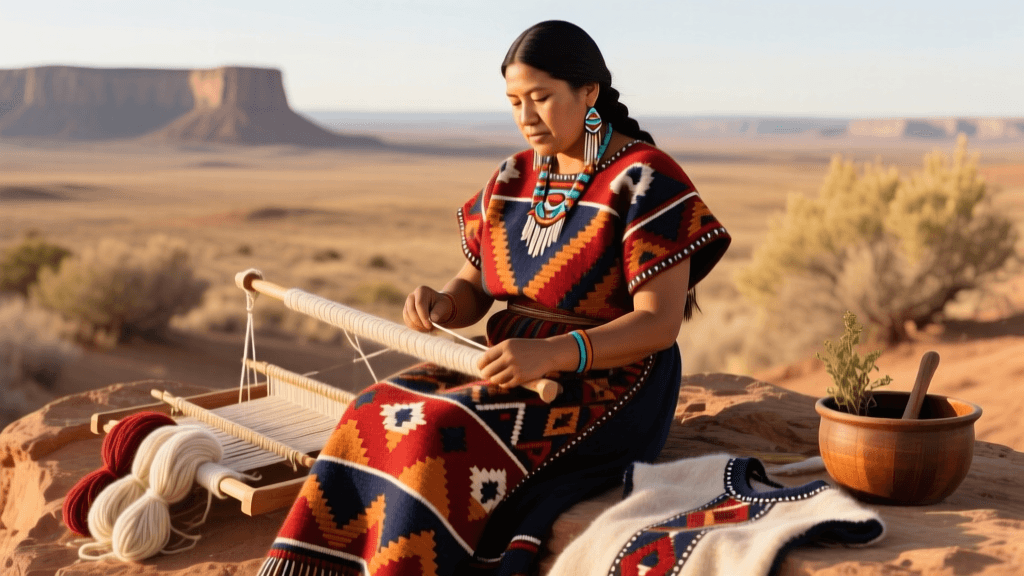
Anishinaabe Ribbon Shirts & Beadwork: 2026 Regalia Guide
Introduction to Great Lakes Regalia in 2026
The Anishinaabe people—encompassing the Ojibwe (Chippewa), Odawa (Ottawa), and Potawatomi nations—have long maintained a vibrant and deeply symbolic textile tradition across the Great Lakes region. As we navigate the cultural landscape of 2026, the creation and wearing of traditional regalia, particularly the iconic ribbon shirt and intricate floral beadwork, continue to serve as profound expressions of Indigenous identity, resilience, and artistic innovation. Far from being static historical artifacts, these garments are living traditions. Modern artisans are blending ancestral techniques with contemporary materials, ensuring that Great Lakes dress traditions remain both culturally authentic and practically suited for today’s powwows, ceremonies, and daily life.
This comprehensive guide explores the anatomy of the modern Anishinaabe ribbon shirt, the meticulous art of floral beadwork, regional variations across the Great Lakes, and actionable advice for sourcing materials and preserving these heirloom garments in 2026.
The Anatomy of the Modern Anishinaabe Ribbon Shirt
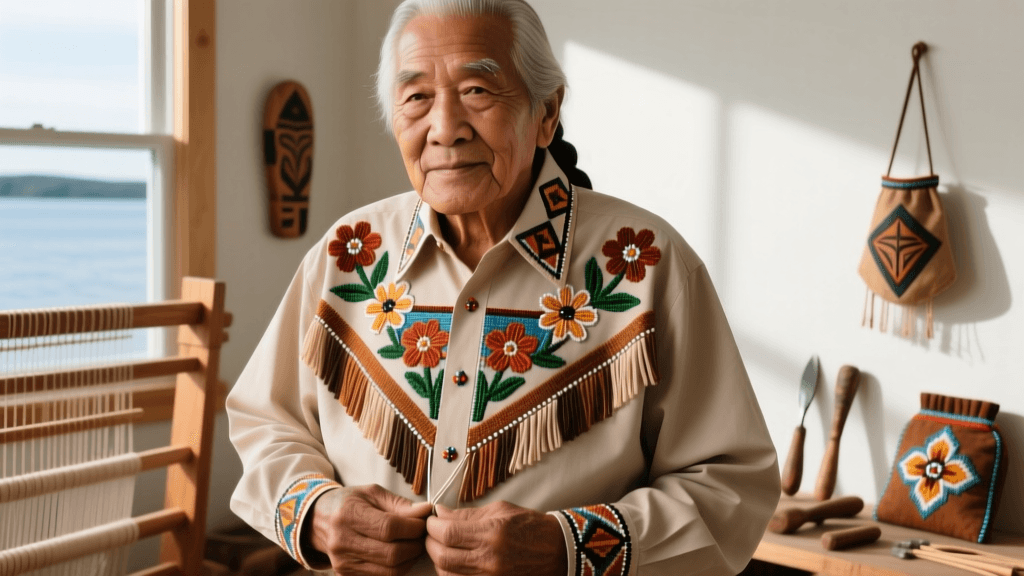
The ribbon shirt is a staple of Indigenous North American dress, recognized across many tribes but holding specific stylistic roots in the Great Lakes and Plains regions. Originally born from the introduction of silk ribbons and cotton trade cloth by European merchants, Indigenous seamstresses transformed these materials into a distinctly Native sartorial art form. In 2026, the ribbon shirt is worn by people of all genders and ages, serving as formal ceremonial wear, dance regalia, and a proud symbol of cultural continuity.
Fabric Selection and Cutting
The foundation of a high-quality ribbon shirt in 2026 relies on selecting the right base fabric. Artisans overwhelmingly prefer 100% cotton broadcloth or calico, typically in a medium weight (around 4 to 5 ounces per square yard). This fabric breathes well during summer powwows and drapes beautifully. When cutting the pattern, traditional ribbon shirts feature a relaxed, boxy fit with dropped shoulders and wide, straight sleeves to allow for unrestricted movement during dance and ceremony.
Modern makers often use French seams or flat-felled seams to enclose raw edges, ensuring the garment withstands years of wear and frequent washing without fraying. The neckline is traditionally a simple V-neck or a shallow scoop, finished with a bias binding or a narrow ribbon trim.
The Appliqué Technique
The defining feature of the ribbon shirt is its striking ribbon appliqué. Artisans use 100% silk or high-quality polyester satin ribbons, typically ranging from 1/2 inch to 1 inch in width. The process involves folding the raw edges of the ribbon under by 1/8 inch and meticulously hand-stitching or machine-stitching them onto the base fabric. In 2026, many contemporary artists are experimenting with asymmetrical designs, incorporating geometric steps and curves that reflect both traditional Woodland patterns and modern graphic aesthetics. The color palettes are often bold and high-contrast—pairing deep navy or black base fabrics with vibrant reds, yellows, and turquoise ribbons.
Floral Beadwork: The Heartbeat of Anishinaabe Dress
If the ribbon shirt provides the canvas, Anishinaabe floral beadwork provides the soul. The transition from pre-contact geometric quillwork and beadwork to the lush, curvilinear floral designs seen today is a testament to the Anishinaabe ability to adapt and indigenize new influences. Today, floral beadwork adorns moccasins, bandolier bags, belt pouches, and the yokes of ribbon shirts.
The Spot Stitch vs. Two-Needle Appliqué
Two primary stitching techniques dominate Great Lakes beadwork. The two-needle appliqué stitch (often called the lazy stitch or spot stitch in broader contexts, though distinct in execution) involves threading beads onto one needle and using a second needle to tack the thread down to the backing material at regular intervals. This creates a smooth, raised line perfect for outlining flower petals and leaves.
The spot stitch, heavily utilized for filling in the centers of flowers or creating dense, textured leaves, involves stringing a small number of beads and stitching them down in tight, clustered loops. Master beaders in 2026 emphasize the importance of consistent tension; too tight, and the backing fabric puckers; too loose, and the beads snag and break.
Bead Sizing and Thread Choices
For authentic Anishinaabe floral work, bead size is paramount. Artisans predominantly use Size 13/0 or 15/0 Charlotte cut beads. The single "cut" or facet on these beads catches the light, giving the floral motifs a shimmering, lifelike quality that mimics the morning dew on wildflowers. For backing materials, while brain-tanned deer hide remains the gold standard for traditional moccasins and pouches, heavy wool broadcloth (often Melton wool) and ultra-suede are widely used in 2026 for bandolier bags and shirt yokes due to their durability and ease of hooping.
Thread selection has also evolved. While traditional sinew is still used for leatherwork, modern beaders heavily rely on waxed nylon threads like Nymo (Size D or O) or braided gel-spun polyethylene threads like Fireline (6lb or 8lb test) for their incredible tensile strength and resistance to fraying against the sharp edges of glass beads.
2026 Material Sourcing and Cost Guide
Sourcing authentic, high-quality materials is critical for both the aesthetic and longevity of regalia. The following table outlines current market recommendations and estimated costs for artisans and collectors in 2026.
| Material | Preferred Brand / Source Type | 2026 Estimated Cost | Primary Use Case |
|---|---|---|---|
| 100% Silk Ribbon (1/2") | Renaissance Dyeing or Specialty Importers | $12 - $18 per 10-yard spool | High-end ribbon shirt appliqué |
| 13/0 Charlotte Beads | Czech Glass (via Native-owned bead shops) | $8 - $14 per 20g hank | Floral beadwork outlines and fills |
| Wool Broadcloth (Stroud) | Historical textile suppliers / Native traders | $45 - $65 per yard | Bandolier bags, leggings, skirt hems |
| Brain-Tanned Deer Hide | Direct from Indigenous trappers/tanners | $150 - $250 per medium hide | Moccasins, pouches, ceremonial ties |
| Beading Thread (Fireline) | Berkley (6lb or 8lb Crystal) | $15 - $22 per 50-yard spool | Loom work, tight appliqué, fringe |
Note: Prices fluctuate based on global supply chains and artisan availability. Supporting Native-owned supply cooperatives is highly recommended to ensure ethical sourcing and community reinvestment.
Regional Variations Across the Great Lakes
While the overarching Anishinaabe floral style is cohesive, distinct regional variations have emerged and solidified over the generations. Understanding these nuances is essential for historians, collectors, and emerging artists studying the National Park Service's American Indian resources and regional ethnographic records.
Minnesota Chippewa and White Earth
Beadwork from the Minnesota bands, particularly White Earth and Leech Lake, is often characterized by bold, large-scale floral motifs. The designs frequently feature the wild rose, strawberry, and sweetgrass, utilizing high-contrast color palettes with generous use of translucent and opaque beads. The leaves are often broad and sweeping, reflecting the lush, dense flora of the northern Minnesota lakes and forests.
Walpole Island and Ontario First Nations
Moving eastward to Walpole Island and surrounding Ontario First Nations, the floral style becomes notably more intricate and dense. Artisans in these regions often employ smaller bead sizes and tighter spot-stitching to create highly detailed, almost botanical illustrations. The color palettes can be more subdued and earthy, incorporating soft pinks, mauves, and varied greens, mimicking the delicate wildflowers of the lower Great Lakes basin.
Lac du Flambeau and Wisconsin Bands
In Wisconsin, bands such as Lac du Flambeau and Red Cliff showcase a dynamic blend of the Minnesota boldness and the Ontario intricacy. A hallmark of the Wisconsin style in 2026 is the incorporation of three-dimensional beadwork, where petals are raised off the backing using wire or heavy thread armatures, creating a sculptural effect that catches the light during powwow dances.
Ethical Sourcing and Preserving Heirloom Pieces
As the demand for authentic Indigenous art continues to grow, so does the proliferation of mass-produced, non-Native imitations. When purchasing ribbon shirts, beadwork, or raw materials, it is vital to verify the Indigenous heritage of the maker. The U.S. Department of the Interior’s Indian Arts and Crafts Board provides stringent guidelines and resources to help buyers identify authentic Native-made goods, ensuring compliance with the Indian Arts and Crafts Act and supporting tribal economies directly.
For families and museums preserving heirloom Anishinaabe regalia, proper archival storage is non-negotiable. Garments should be cleaned gently without harsh chemicals and stored flat in acid-free textile boxes. Beadwork must be kept away from direct UV light, which can fade vintage aniline dyes and weaken antique cotton threads. Stuffing beaded pouches and moccasins with acid-free tissue paper helps maintain their structural integrity and prevents the leather from cracking over time.
Conclusion
The Anishinaabe ribbon shirt and floral beadwork traditions are far more than mere clothing; they are a visual language that speaks to the endurance, adaptability, and profound artistic vision of the Great Lakes Indigenous peoples. In 2026, a new generation of makers is honoring the teachings of their elders—many of whom have been recognized through prestigious platforms like the National Endowment for the Arts Heritage Fellowships—while simultaneously pushing the boundaries of design. Whether you are an artisan sourcing your first hank of Charlotte beads, a dancer preparing for the summer powwow circuit, or a collector seeking to understand the deep regional roots of Woodland art, the living legacy of Anishinaabe dress continues to inspire and endure.