2026 NYC & LA Garment District Guide for Ethical Textile Sourcing
The State of American Fashion Hubs in 2026
The American fashion landscape has undergone a seismic shift by 2026, driven by stringent new supply chain transparency laws, a renewed reverence for traditional craftsmanship, and an industry-wide mandate for ecological stewardship. For independent designers, heritage brands, and those integrating Indigenous-inspired textiles into their collections, navigating the physical epicenters of American apparel manufacturing is more critical than ever. While digital sourcing platforms have proliferated, the tactile experience of evaluating hand-loomed cottons, naturally dyed wools, and sustainable silks remains irreplaceable. This comprehensive 2026 guide explores the nuances of sourcing ethical and traditional textiles within the New York City and Los Angeles garment districts, alongside emerging regional hubs dedicated to Indigenous artisanship.
Navigating the NYC Garment District: Heritage and High-End Sourcing
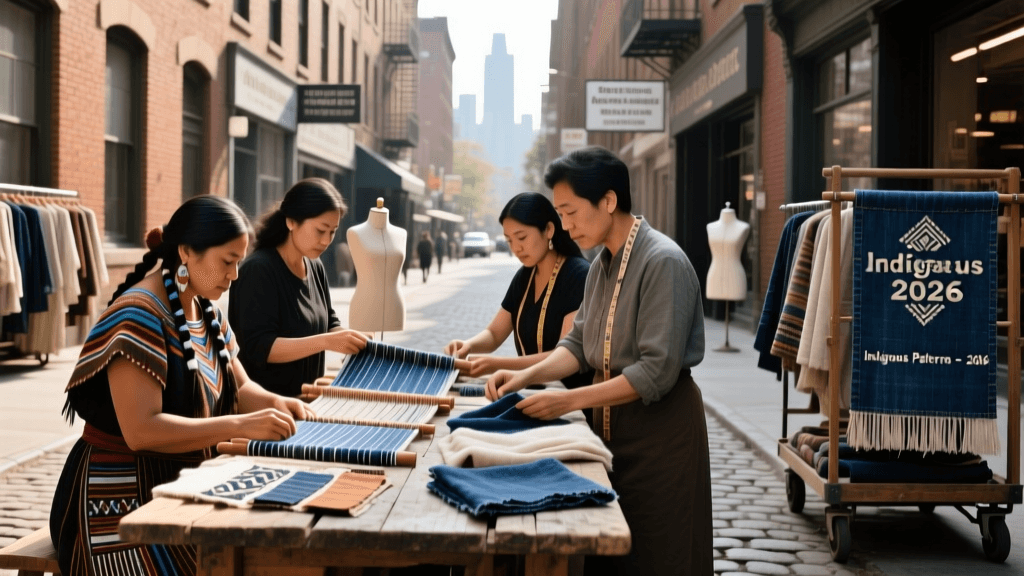
Historically bounded by 34th and 42nd Streets between Sixth and Ninth Avenues, the New York City Garment District remains the intellectual and high-end manufacturing heart of American fashion. In 2026, the district has successfully pivoted from mass-market production to a specialized hub for low-impact, high-quality manufacturing and deadstock sourcing. Organizations like Save the Garment Center have been instrumental in preserving the neighborhood's manufacturing zoning, ensuring that small-batch cut-and-sew operations and specialized textile showrooms survive the pressures of commercial real estate development.
Sourcing Traditional and Sustainable Fibers in Manhattan
Designers seeking traditional fibers with a modern ethical footprint will find the NYC district unparalleled. Showrooms on West 38th and West 39th Streets now heavily feature traceable merino wools from regenerative farms, peace silks, and upcycled cashmere blends. For brands incorporating Native American or Indigenous-inspired motifs, the district offers access to specialized jacquard weaving facilities capable of producing intricate, small-batch runs that honor traditional geometric patterns without resorting to culturally appropriative mass-printing. Furthermore, the proximity to the Fashion Institute of Technology (FIT) and the Council of Fashion Designers of America (CFDA) headquarters provides designers with immediate access to sustainability incubators and legal resources for protecting traditional cultural expressions.
Tips for the NYC Sourcing Trip
- Timing: Visit between Tuesday and Thursday. Many specialized, family-owned textile importers in the district have transitioned to a four-day workweek as of 2026 to reduce their carbon footprint.
- Deadstock Warehouses: Explore the basement levels of 225 West 38th Street, which houses several curated deadstock vendors specializing in vintage European and traditional American workwear fabrics.
- MOQ Negotiations: Minimum Order Quantities (MOQs) in NYC remain higher than overseas, but many vendors now offer 'micro-batch' pricing tiers for certified B-Corp brands.
The LA Fashion District: Latin American Textiles and Sustainable Innovations
Spanning nearly 100 blocks in Downtown Los Angeles, the LA Fashion District is a sprawling, vibrant ecosystem that serves as the primary gateway for Latin American textiles and sustainable denim. In 2026, the district has fully embraced its geographic and cultural ties to the Americas, making it the premier destination for designers looking to source authentic, ethically imported materials from Mexico, Central America, and South America.
Indigenous and Latin American Textile Imports
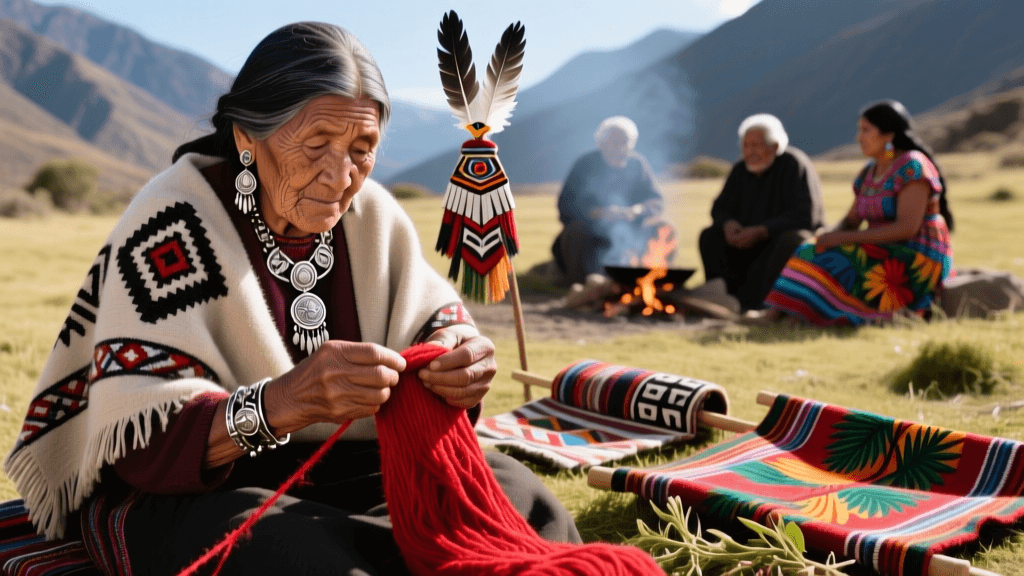
Along Maple Street and San Pedro Street, importers specialize in traditional Mesoamerican and Andean textiles. Designers can source authentic Oaxacan manta cotton, naturally indigo-dyed fabrics from Chiapas, and traceable Peruvian alpaca wools. Unlike previous decades, where these materials were often aggregated through opaque supply chains, the 2026 LA Fashion District features cooperatives and direct-trade importers who provide full blockchain-verified provenance for their goods. This ensures that Indigenous weavers and farming communities receive equitable compensation and that traditional techniques are preserved rather than exploited.
The Denim and Agave Fiber Revolution
Los Angeles remains the undisputed global capital of premium denim. However, the 2026 sourcing narrative is dominated by waterless dyeing technologies and alternative cellulosic fibers. Showrooms in the California Market Center now heavily feature textiles woven from agave and cactus fibers—materials deeply rooted in Indigenous Mexican agriculture but modernized for contemporary apparel. These fibers offer a sustainable, biodegradable alternative to synthetic blends and are highly sought after by brands aiming to merge traditional American agricultural heritage with futuristic sustainability.
NYC vs. LA: 2026 Sourcing Comparison Chart
Choosing between the East and West Coast hubs depends entirely on your brand's aesthetic, production scale, and material requirements. The following table outlines the core differences for designers operating in 2026.
| Feature | NYC Garment District | LA Fashion District |
|---|---|---|
| Primary Specialty | High-end tailoring, luxury deadstock, technical outerwear, specialized jacquards. | Contemporary denim, Latin American artisan imports, sustainable knits, agave/cellulosic fibers. |
| Average MOQs | High (300-500 yards), though micro-batch programs are expanding. | Moderate to Low (100-300 yards), highly accommodating for indie and streetwear brands. |
| Best For | Heritage workwear, luxury sustainable fashion, intricate woven patterns. | Resort wear, ethical denim, bohemian/Indigenous-inspired casual wear. |
| Ethical Focus | Upcycling, circularity, domestic cut-and-sew labor rights. | Fair-trade imports, waterless dyeing, regenerative agriculture fibers. |
| Lead Times | Fast for domestic stock; moderate for custom mill runs. | Fast for local stock; variable for direct-trade artisan imports. |
Beyond the Coasts: Emerging Indigenous and Traditional Hubs
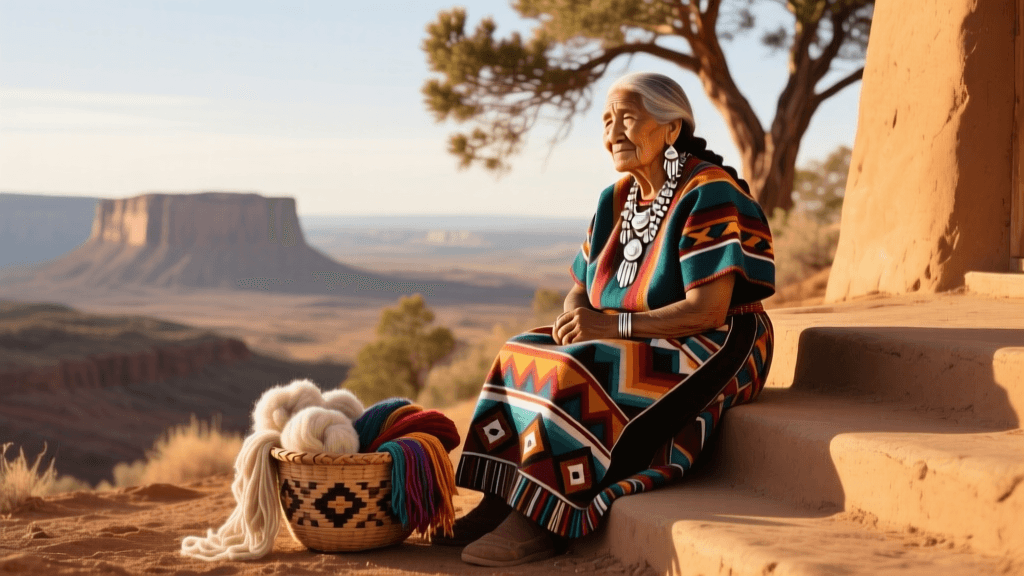
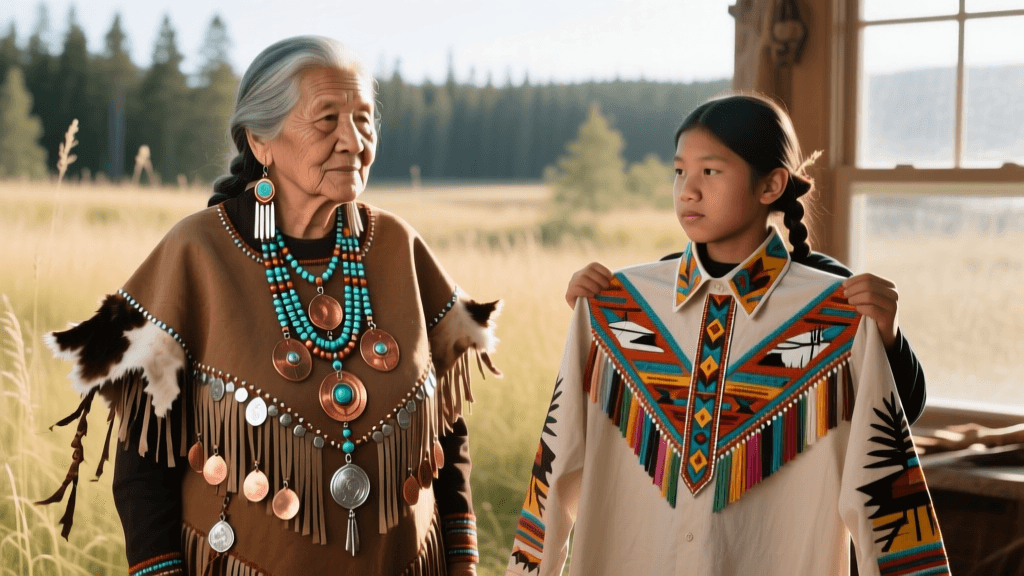
While NYC and LA dominate the commercial volume, 2026 has seen a massive decentralization of fashion sourcing, with designers increasingly traveling to regional hubs to collaborate directly with Indigenous artisans. Santa Fe, New Mexico, has solidified its position as a vital nexus for Southwestern and Native American textile arts. Guided by organizations like the Southwest Association for Indian Arts (SWAIA), designers are moving away from 'inspired-by' collections and instead forming equitable joint ventures with Navajo, Pueblo, and Hopi artisans.
In Santa Fe and surrounding reservations, sourcing is not about buying yardage from a showroom; it is about commissioning hand-woven textiles, natural dye workshops, and traditional silverwork directly from the creators. This hyper-local, deeply respectful approach to sourcing represents the pinnacle of the 2026 ethical fashion movement. Similarly, Portland, Oregon, has emerged as a critical hub for technical outdoor apparel that integrates traditional Pacific Northwest Indigenous design principles and sustainable, weather-resistant natural fibers.
Actionable Sourcing Strategies for 2026
To successfully navigate these districts and secure the best materials for your collection, implement the following strategies during your 2026 sourcing trips:
1. Verify Certifications with Digital Passports
Greenwashing remains a concern, but 2026 technology has made verification easier. Rely on the Textile Exchange standards and demand to see the digital product passport (DPP) for any fabric claiming to be organic, fair-trade, or recycled. A reputable vendor in either NYC or LA will be able to scan a QR code on the fabric bolt, revealing the entire journey of the textile from farm to finish.
2. Build Relationships with Artisan Cooperatives
When sourcing Latin American or Indigenous textiles in LA, bypass the middlemen and seek out showrooms that operate as direct representatives for artisan cooperatives. Ask specific questions about the weaving techniques (e.g., backstrap loom vs. pedal loom) and the origins of the dyes (e.g., cochineal, indigo, marigold). Demonstrating a genuine understanding of the craft will often result in better pricing and priority access to limited-run textiles.
3. Leverage Local Incubators and Legal Protections
Before finalizing contracts for exclusive traditional patterns or bespoke weaves, consult with local fashion law clinics. Both the CFDA in New York and the California Fashion Association offer resources to help designers navigate the complex intellectual property landscape surrounding traditional cultural expressions. Ensuring that your sourcing contracts include profit-sharing or community-reinvestment clauses is not just an ethical imperative in 2026; it is a powerful marketing asset that resonates deeply with modern consumers.
4. Map Your Route and Book Showroom Appointments
The days of wandering aimlessly through the garment districts are over. In 2026, many high-end and specialized sustainable showrooms operate strictly by appointment to manage foot traffic and provide dedicated consulting. Use district-specific sourcing apps to map your route, filter vendors by certification (e.g., GOTS, Oeko-Tex, B-Corp), and book your meetings at least three weeks in advance.
Conclusion
The NYC and LA garment districts remain the vital arteries of the American fashion industry, but their lifeblood in 2026 is sustainability, transparency, and a profound respect for traditional and Indigenous textile heritage. By approaching these hubs with a strategic, educated, and ethically grounded mindset, designers can source materials that not only elevate their collections but also honor the rich, diverse cultural tapestry of the Americas.