LDS Temple Garments 2026: Meaning, Styles, and Significance

The Sacred Textile: Understanding LDS Temple Garments
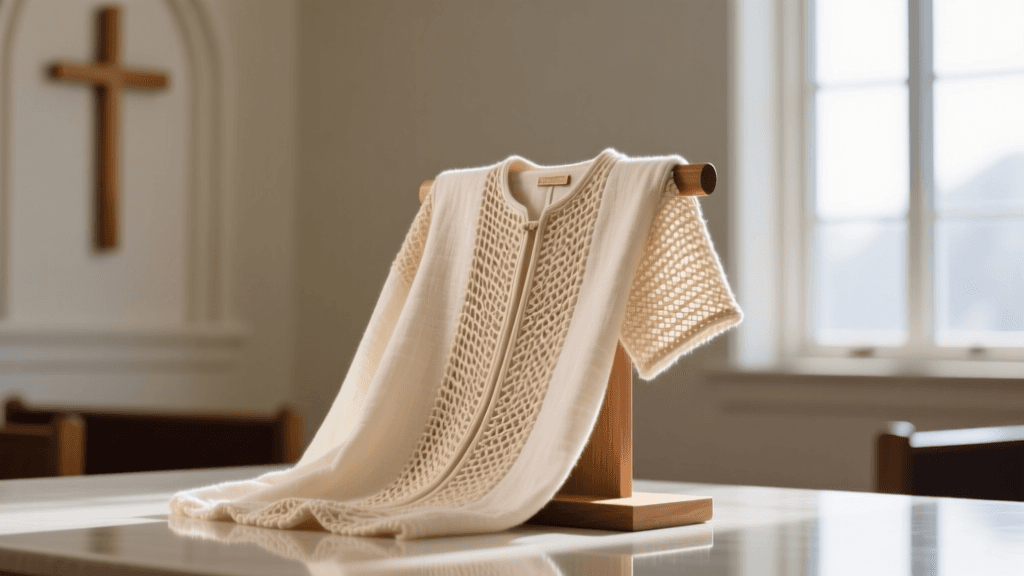
For millions of members of The Church of Jesus Christ of Latter-day Saints across the Americas and the globe, the temple garment represents far more than a simple undergarment. Often misunderstood by those outside the faith, this sacred textile is a profound symbol of devotion, modesty, and spiritual covenants. Originating in the United States during the 19th century, the garment has evolved significantly in its design, fabric technology, and cultural footprint. As we navigate 2026, the intersection of traditional religious meaning and modern textile innovation offers a fascinating glimpse into how sacred clothing adapts to contemporary life while maintaining its core spiritual purpose.
Historical Origins in the Americas
The tradition of the temple garment is deeply rooted in American religious history. It was first introduced by Joseph Smith in Nauvoo, Illinois, in 1842, as part of the newly established temple endowment ceremony. Unlike indigenous textile traditions that evolved over millennia, the Latter-day Saint garment was born out of a specific theological restoration movement in the early 19th-century American frontier. Initially, these garments resembled the long union suits common in the Victorian era, extending to the wrists and ankles. As members migrated westward to the Salt Lake Valley and eventually spread throughout North, Central, and South America, the practical needs of diverse climates and changing societal norms prompted modifications. By the mid-20th century, the Church authorized the transition to the modern two-piece style (a t-shirt and shorts) that remains the standard today. This American-born religious textile has since become a unifying cultural marker for a global faith.
Theological and Religious Meaning
To understand the garment, one must understand the covenants made within the Latter-day Saint temple. According to the Church's official Gospel Topics Essays, the garment serves as a tangible, physical reminder of the sacred promises members make to God. It is often compared to the 'Armor of God' described in Ephesians 6, providing spiritual protection against the temptations and evils of the world. Furthermore, it echoes the biblical narrative of Adam and Eve, who were clothed in coats of skins by God to cover their nakedness, symbolizing divine protection and the Atonement of Jesus Christ.
The garment features specific woven or embroidered marks that hold deep symbolic meaning, pointing members toward spiritual truths and their ultimate divine potential. Wearing the garment is a voluntary commitment, undertaken only after an adult member has participated in the temple endowment. It is worn day and night, serving as a constant, intimate reminder of their faith and moral obligations.
Cultural Impact and Modest Fashion in 2026
The requirement to wear the temple garment has profoundly shaped Latter-day Saint culture, particularly regarding modesty standards. Because the standard garment covers the shoulders, midriff, and upper thighs, members naturally seek outer clothing that accommodates these boundaries. In 2026, this has fostered a thriving 'modest fashion' industry across the Americas. From boutique designers in Utah to major retail brands in Brazil and Mexico, clothing lines frequently feature higher necklines, longer sleeves, and tailored fits designed specifically to conceal the garment lines while remaining stylish and professional.
For many members, the garment is a core component of their identity. It creates a sense of belonging and shared sacrifice among the faithful. In regions where Latter-day Saints are a minority, the garment serves as a private, daily anchor to their community and beliefs, reinforcing a distinct cultural and spiritual identity in a secular world.
2026 Styles, Fabrics, and Purchasing
Purchasing temple garments is a restricted process; they are only available to members who hold a current temple recommend, signifying their good standing in the Church. In 2026, the Church Distribution system offers a highly diverse catalog tailored to the varied climates and lifestyles of the Americas. Whether a member is navigating the humid tropics of Central America, the freezing winters of Canada, or the active lifestyle of a modern metropolis, there is a specialized fabric available. The 2026 catalog emphasizes breathable, sustainable, and durable materials. Below is a comparison of the primary garment styles available this year.
| 2026 Garment Style | Fabric Composition | Best Climate / Use | Modesty Cut |
|---|---|---|---|
| Classic Cotton | 100% Combed Cotton | Temperate / Daily Wear | Standard Round / V-Neck |
| Performance Mesh | Polyester / Spandex Blend | Tropical / High Activity | Standard / Low Profile |
| Stretch Modal | Modal / Spandex | Year-round / Comfort | Standard Round / V-Neck |
| Maternity Panel | Cotton / Spandex Blend | Pregnancy / Postpartum | Expanded Midriff Panel |
| Cooling Bamboo | Bamboo Viscose / Cotton | Hot / Humid Climates | Standard Round / V-Neck |
Guidelines for Care, Respect, and Disposal
Because of its sacred nature, the temple garment is treated with the utmost respect. The official Church guidelines dictate that garments should be kept clean and in good repair. Members are encouraged to wash them with their regular laundry, treating them as sacred but practical items of daily life. When a garment becomes worn, torn, or beyond repair, it cannot simply be donated to a thrift store or thrown away whole.
The established protocol requires members to carefully cut out the sacred marks embedded in the fabric. These marks are destroyed or disposed of respectfully, while the remaining fabric can be discarded in the regular trash or repurposed as cleaning rags. This meticulous process underscores the theological boundary between the sacred symbols and the mundane cotton or polyester that holds them.
Conclusion
The LDS temple garment is a unique intersection of American religious history, theological symbolism, and modern textile engineering. For the millions of Latter-day Saints who wear it across the Americas, it is an intimate, daily expression of faith. As fabric technology continues to advance in 2026, the garment will undoubtedly continue to adapt, ensuring that this sacred tradition remains both spiritually profound and physically comfortable for generations to come.