Oaxacan Zapotec Textiles: 2026 Natural Dye Buyer Guide
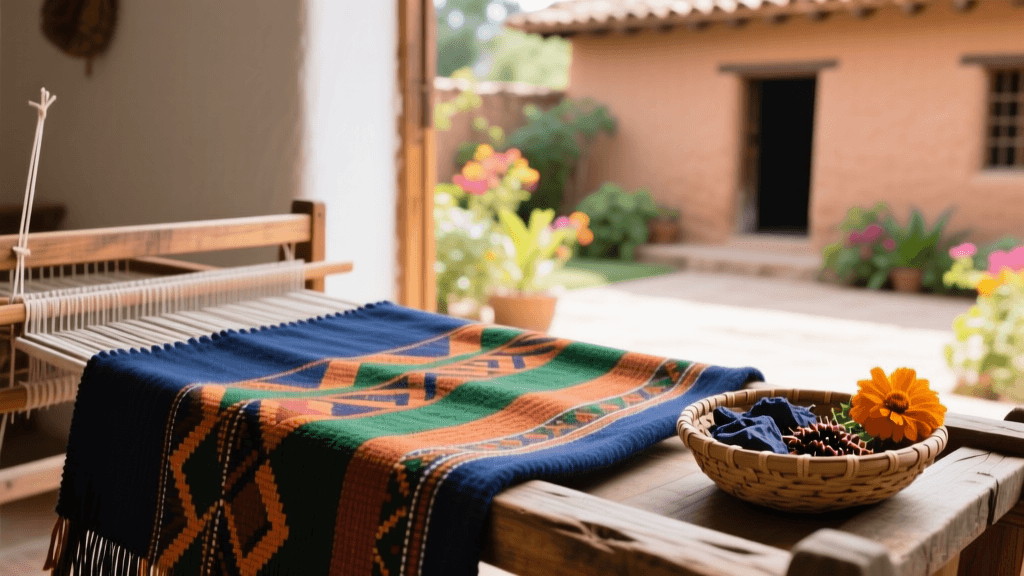
The Living Heritage of Teotitlán del Valle
Walking through the cobblestone streets of Teotitlán del Valle in Oaxaca, Mexico, the rhythmic clacking of wooden shuttles against warp threads echoes from nearly every courtyard. For centuries, the Zapotec people have been the master weavers of the Americas, transforming raw sheep’s wool into intricate tapestries that tell stories of pre-Columbian cosmology, local flora, and colonial history. As we navigate the artisanal market in 2026, the demand for authentic, sustainably produced Latin American traditional garments and textiles has reached an all-time high. However, this surge in popularity has also led to a flood of mass-produced, synthetic knockoffs. For collectors, interior designers, and cultural enthusiasts, understanding how to source, verify, and care for genuine Zapotec textiles has never been more critical.
In 2026, the most significant shift in the Oaxacan textile market is the rise of direct-to-consumer cooperative models. Bypassing the middlemen and boutique galleries that historically marked up prices by 40% to 60%, master weavers and women’s cooperatives are now utilizing digital storefronts and international logistics to ship directly from their family talleres (workshops) to global buyers. This guide will equip you with the knowledge to navigate this landscape, ensuring your investment supports Indigenous artisans while bringing a piece of living history into your home.
The Architecture of the Zapotec Loom
To appreciate a Zapotec textile, one must first understand the technology used to create it. While the pre-Hispanic backstrap loom is still used in many parts of Mesoamerica for garments like the huipil, the iconic Zapotec rugs (tapetes) and large shawls (rebozos) of Teotitlán are woven on the colonial-era pedal loom (telar de pedal). Introduced by Dominican friars in 1535, this massive wooden structure allows the weaver to use foot pedals to separate the warp threads, freeing both hands to pass the heavy wooden shuttle and beat the weft tightly into place.
A genuine hand-woven textile from a pedal loom possesses a distinct structural integrity. The tension is manually controlled by the weaver’s body weight and experience, resulting in a dense, heavy fabric that can last for generations. In contrast, modern power looms produce textiles with a uniform, machine-perfect tension that lacks the soul and structural nuance of a hand-woven piece.
The Chemistry of Color: Natural Dyes in 2026
The true hallmark of a premium Zapotec textile in 2026 is its use of natural dyes. While the mid-20th century saw the introduction of cheap synthetic aniline dyes, the contemporary market has fiercely rejected them in favor of ancestral botanical and insect-based dyes. According to the Museo Textil de Oaxaca, the preservation of natural dyeing techniques is not just an aesthetic choice, but a vital form of cultural and ecological resistance.
Key Natural Dyes to Look For:
- Cochineal (Dactylopius coccus): A parasitic insect that lives on the nopal cactus. When dried and ground, it yields a potent carminic acid. By altering the pH with mordants—adding lime juice for vibrant oranges, alum for deep reds, or baking soda for rich purples—artisans create a stunning spectrum of warm tones.
- Indigo (Añil): Sourced from the leaves of the indigo plant, this dye requires a complex fermentation process in clay pots. The yarn is submerged in an alkaline bath and emerges yellow-green, only oxidizing into a deep, colorfast blue upon contact with the air.
- Marigold (Cempasúchil): Harvested around the Día de los Muertos celebrations, the petals of the Mexican tarragon and marigold flowers are boiled to extract brilliant golds, yellows, and earthy greens.
- Muitle (Justicia spicigera): Often combined with iron oxide or pecan shells, this plant is used to achieve deep, melancholic blacks and charcoal greys that synthetic dyes struggle to replicate without looking flat.
How to Spot Fakes: The 2026 Buyer’s Checklist
When shopping in markets like the Mercado de Benito Juárez in Oaxaca City or browsing online, use these actionable tests to verify authenticity:
1. The Fringe (Fleco) Test
Examine the fringe at the top and bottom of the rug or garment. On a genuine hand-woven pedal loom textile, the fringe is not sewn or glued on; it is the actual continuation of the warp threads that were tied to the loom. If the fringe looks like a separate piece of trim attached by a seam, it is machine-made.
2. The Abrash Effect
Natural dyes are mixed in small batches by hand. As a result, you will notice abrash—subtle, beautiful horizontal bands of color variation across the field of the textile. Synthetic dyes are chemically uniform and will appear perfectly flat and monochromatic.
3. The Scent and Burn Tests
Genuine Churra sheep wool has a faint, earthy scent reminiscent of lanolin. Acrylic blends smell faintly of plastic. If you are purchasing in person and the vendor permits, carefully singe a single fringe thread with a lighter. Wool will self-extinguish, smell like burning hair, and leave a crushable ash. Acrylic will melt into a hard, plastic bead.
4. Digital Provenance Tags
As of 2026, several top-tier cooperatives have begun embedding NFC (Near Field Communication) threads or tags into their high-value pieces. Scanning these with a smartphone reveals the name of the weaver, the village, the specific botanical dyes used, and the date of completion, a system supported by initiatives tracked by FONART (The National Fund for the Development of Arts and Crafts) to protect Indigenous intellectual property.
Top Cooperatives and Sourcing Channels
To ensure your money directly supports Zapotec families and women artisans, prioritize purchasing from established cooperatives and vetted cultural institutions.
- Vida Nueva Women's Weaving Cooperative: Founded to empower Zapotec women who were historically marginalized in the male-dominated weaving industry, Vida Nueva produces exquisite textiles using only natural dyes. In 2026, their direct-order portal allows international buyers to commission custom-sized rugs and garments.
- Museo Textil de Oaxaca (MTO) Gift Shop: Located in Oaxaca City, the museum’s shop is the gold standard for vetted textiles. Every piece is curated by textile anthropologists, guaranteeing fair trade pricing and authentic materials.
- Familia Ruiz and Arte de Teotitlán: Multi-generational family workshops that have gained massive followings on social media, allowing them to sell directly to global collectors via live-streamed studio tours and direct shipping.
2026 Pricing and Sizing Matrix
Pricing for Zapotec textiles varies wildly based on the knot density, the complexity of the design (such as reproductions of M.C. Escher or traditional Zapotec diamond motifs), and the use of natural dyes. Below is the 2026 average pricing guide for direct-from-cooperative purchases in USD.
| Garment / Textile Type | Standard Dimensions | Material | Dye Type | 2026 Avg. Direct Price (USD) |
|---|---|---|---|---|
| Tapete (Area Rug) | 1.5m x 2.4m | 100% Churra Wool | Natural (Cochineal/Indigo) | $450 - $850 |
| Rebozo (Shawl) | 0.7m x 1.8m | Cotton / Wool Blend | Natural (Marigold/Walnut) | $180 - $300 |
| Huipil (Tunic) | Custom Fit | Cotton | Synthetic / Natural Mix | $120 - $250 |
| Camino de Mesa (Runner) | 0.4m x 1.2m | Wool | Natural | $85 - $150 |
| Tapete (Synthetic Tourist) | 1.5m x 2.4m | Acrylic Blend | Synthetic Aniline | $60 - $90 |
Note: Custom commissions featuring intricate pictorial designs or rare dyes like wild indigo can exceed $1,500 USD and take up to four months to complete.
Care and Conservation for Natural Fibers
Owning a natural-dyed Zapotec textile requires specific care to ensure its longevity. The wool used in Teotitlán is highly durable, but the botanical dyes are sensitive to harsh chemicals and prolonged UV exposure.
Cleaning Protocols
Never dry-clean a natural-dyed wool textile; the harsh solvents will strip the cochineal and indigo. Instead, rely on regular vacuuming (without the beater-bar attachment). If a spill occurs, blot immediately with cold water and a mild, pH-neutral wool soap. For a full refresh, lay the rug flat on clean snow (if you live in a winter climate) or hand-wash in a tub of cold water, rolling it in towels to extract moisture before laying it flat to dry in the shade.
Storage and Moth Prevention
When storing your rebozo or tapete, never use plastic bags, which trap moisture and cause mildew. Wrap the textile in unbleached cotton or muslin. To deter moths, which are highly attracted to the natural lanolin in Churra wool, place sachets of dried cedar, lavender, or traditional Mexican copal resin in the storage area. Avoid direct, prolonged sunlight, which will slowly fade even the most expertly mordanted marigold and muitle dyes over the decades.
Conclusion
Purchasing an authentic Oaxacan Zapotec textile in 2026 is an act of cultural preservation. By learning to read the signs of the pedal loom, understanding the alchemy of natural dyes, and choosing to buy directly from Indigenous cooperatives, you ensure that the rhythmic clack of the shuttle continues to echo through the valleys of Oaxaca for generations to come.