Authentic Jingle Dress Regalia: 2026 Material Sourcing
The Healing Power and Protocol of the Jingle Dress
As the 2026 powwow season approaches, dancers and regalia makers across North America are preparing for a busy calendar of gatherings, competitions, and healing ceremonies. Among the most visually and acoustically striking garments in Indigenous North American culture is the Jingle Dress. Originating from the Ojibwe (Chippewa) nations in the early 20th century, the Jingle Dress dance is fundamentally a healing dance. According to oral histories documented by institutions like the Minnesota Historical Society, the dress was revealed in a dream to a medicine man seeking a way to heal his gravely ill daughter. The rhythmic, rain-like sound of the metal cones striking one another is believed to carry prayers to the Creator and promote physical and spiritual wellness.
Because of its profound spiritual significance, creating and wearing a jingle dress requires strict adherence to cultural protocols. Regalia is not merely a costume; it is a sacred bundle. When sourcing materials for the 2026 season, it is vital to prioritize authenticity, quality, and respect for the Indigenous artisans who supply these specialized components. This guide provides a comprehensive breakdown of how to source the best metals, ribbons, and base fabrics for your regalia this year.
Anatomy of the Jingle Dress: Fabric, Ribbons, and Cones
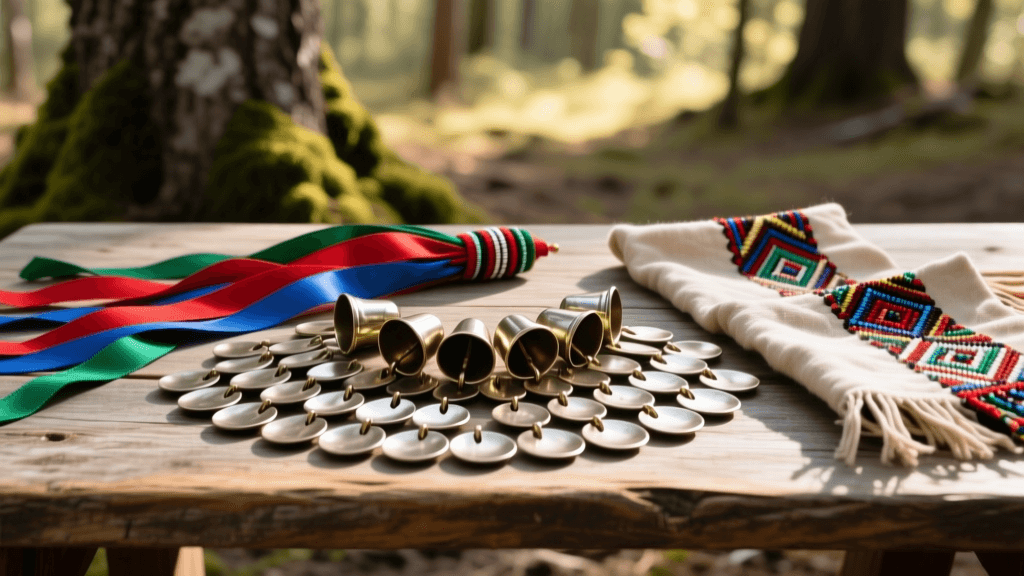
A traditional jingle dress consists of three primary elements: the base fabric, the ribbon appliqué, and the metal jingles (often called cones or rolls). The base fabric must be durable enough to withstand the heavy weight of hundreds of metal cones while allowing for the fluid, sweeping movements required by the dance style. The ribbon appliqué serves both a decorative and structural purpose, reinforcing the seams and creating the iconic geometric patterns associated with Woodland and Plains Indigenous art styles. Finally, the metal cones are the heart of the regalia, responsible for the signature acoustic profile that defines the dance.
In 2026, supply chain shifts and a growing demand for authentic, Native-made goods have changed the landscape of regalia sourcing. Dancers are increasingly moving away from mass-produced, imported craft supplies in favor of materials sourced directly from Indigenous metalworkers and textile artists. This not only ensures a higher quality product but also supports the Native American creative economy.
Sourcing Authentic Metal Jingles (Cones)
The sound of a jingle dress is dictated by the metal used, the thickness of the gauge, and the tightness of the roll. Hand-rolled cones crafted by Native artisans are highly sought after because they offer a superior, more resonant sound compared to machine-stamped alternatives. When planning your 2026 regalia budget, it is important to understand the acoustic and physical differences between the three most common metals used for jingles.
2026 Material Comparison Chart: Metal Jingles
| Material | Acoustic Profile | Weight (per 100 cones) | 2026 Avg. Cost (per gross) | Durability & Care |
|---|---|---|---|---|
| Rolled Tin | Bright, sharp, high-pitch, traditional 'rain' sound | 1.2 lbs | $45 - $65 | Moderate; prone to rust if exposed to moisture |
| Copper | Deep, resonant, warm, lower frequency | 1.5 lbs | $90 - $130 | High; develops a natural patina over time |
| Brass | Crisp, loud, carrying, bright ring | 1.6 lbs | $75 - $100 | High; tarnishes slowly, easy to polish |
For the 2026 season, copper and brass have seen a surge in popularity among competitive dancers due to their carrying power in large, open-air powwow arenas. However, traditionalists often still prefer the lighter, higher-pitched sound of rolled tin, which closely mimics the original tobacco tin lids used in the early 1900s. When purchasing, always look for 'hand-rolled' or 'hand-cut' descriptions, and verify the artisan's tribal affiliation.
Selecting Base Fabrics and Ribbon Appliqué
The foundation of a jingle dress must balance durability with breathability. Heavyweight poly-cotton broadcloth remains the gold standard for the base fabric. In 2026, a high-quality 65/35 poly-cotton blend costs approximately $12 to $18 per yard. This blend resists wrinkling, holds the weight of the cones without tearing, and is easier to clean than pure cotton. Avoid lightweight quilting cottons or silky rayons, as the friction and weight of the metal jingles will quickly cause these fabrics to fray and tear at the seams.
Ribbon appliqué is where the maker's artistic vision comes to life. Sourcing high-quality satin or grosgrain ribbon is critical. Cheap, synthetic ribbons found in big-box craft stores often have loose weaves that fray aggressively when cut and sewn. For regalia that will be worn in competition, invest in double-faced satin ribbons from specialized powwow supply vendors. To prevent fraying during the sewing process, apply a liquid seam sealant or a specialized fabric fray-preventer to all cut edges before stitching. Use a size 14 or 16 denim needle on your sewing machine to easily pierce through multiple layers of ribbon and broadcloth without breaking the needle or snapping the thread.
2026 Sourcing Guide: Supporting Native Economies
One of the most critical aspects of sourcing regalia materials is ensuring that your purchases support Indigenous communities. The United States federal government enforces the Indian Arts and Crafts Act, which makes it illegal to offer or display for sale any art or craft product in a manner that falsely suggests it is Indian-produced. To ensure compliance and to ethically support Native economies, always verify your suppliers.
The Indian Arts and Crafts Board, an agency within the U.S. Department of the Interior, provides excellent resources and directories for finding verified Native American artisans and businesses. When sourcing metal jingles, beadwork, and ribbonwork, look for vendors who explicitly state their tribal enrollment and affiliation. Many renowned Native-owned trading posts and online powwow shops have expanded their digital storefronts in 2026, making it easier than ever to order authentic, hand-rolled cones and premium ribbons directly from reservations and Indigenous-owned workshops across the US and Canada.
Furthermore, institutions like the Smithsonian National Museum of the American Indian frequently highlight the importance of cultural preservation through authentic material arts. By choosing to buy from Native makers rather than overseas mass-manufacturers, you are actively participating in the economic sovereignty and cultural continuity of Indigenous nations.
Regalia Care and Maintenance for the Powwow Season
A fully assembled jingle dress can weigh anywhere from 15 to 30 pounds, depending on the size of the dancer and the number of cones used (which can range from 300 to over 700). Proper care and maintenance are essential to ensure the regalia lasts for multiple seasons.
- Storage: Never store a jingle dress in a plastic bag or airtight bin. The trapped moisture will cause tin cones to rust and copper to develop verdigris, which can stain the fabric. Instead, store the dress in a breathable cotton canvas garment bag or a clean, dry cedar chest.
- Polishing: If you use brass or copper cones, they will naturally tarnish with the oils from your hands and the humidity of the air. Use a gentle, non-abrasive metal polish and a soft microfiber cloth to restore their shine before major competition powwows. Avoid harsh chemical dips that can weaken the metal.
- Travel: When traveling to powwows, fold the dress carefully with acid-free tissue paper between the layers to prevent the cones from snagging on the ribbon appliqué. Place the dress in a sturdy, hard-shell suitcase or a specialized regalia trunk to protect it from being crushed by other gear.
- Inspections: After every powwow, lay the dress flat and inspect the cotton strings or sinew holding the cones. The vigorous movement of the dance can cause threads to wear thin. Re-tie or replace any frayed strings immediately to prevent losing a jingle during your next performance.
Respecting Protocol and Tradition
Finally, it is imperative to remember that the jingle dress is a sacred item. While the materials—fabric, ribbon, and metal—can be bought and sold, the spirit of the dress is earned through respect, protocol, and community participation. In many Ojibwe and pan-Indigenous communities, there are specific rules regarding who can make a jingle dress, how it should be blessed, and the behaviors expected of the wearer while in regalia.
If you are new to the jingle dress dance, seek out an Elder or an experienced dancer in your community to guide you through the protocols of your specific region. The 2026 powwow trail is a beautiful opportunity to celebrate Indigenous resilience, healing, and artistry. By sourcing your materials ethically, crafting your dress with care, and honoring the traditions of the dance, you contribute to the vibrant, living tapestry of Native American culture.