Haida & Tlingit Formline Regalia & Weaving: 2026 Guide
The Living Heritage of Pacific Northwest Coast Dress
The Pacific Northwest Coast of North America is home to some of the most visually striking and technically complex textile and garment traditions in the world. For the Haida and Tlingit peoples, whose ancestral territories span from Haida Gwaii in British Columbia to the coastal fjords of Southeast Alaska, clothing is never merely functional. Regalia is a living entity, imbued with spiritual weight, clan history, and ancestral rights. As we navigate the cultural landscape in 2026, the revitalization of traditional weaving techniques and the integration of formline art into both ceremonial and contemporary contexts represent a profound assertion of Indigenous sovereignty and artistic excellence.
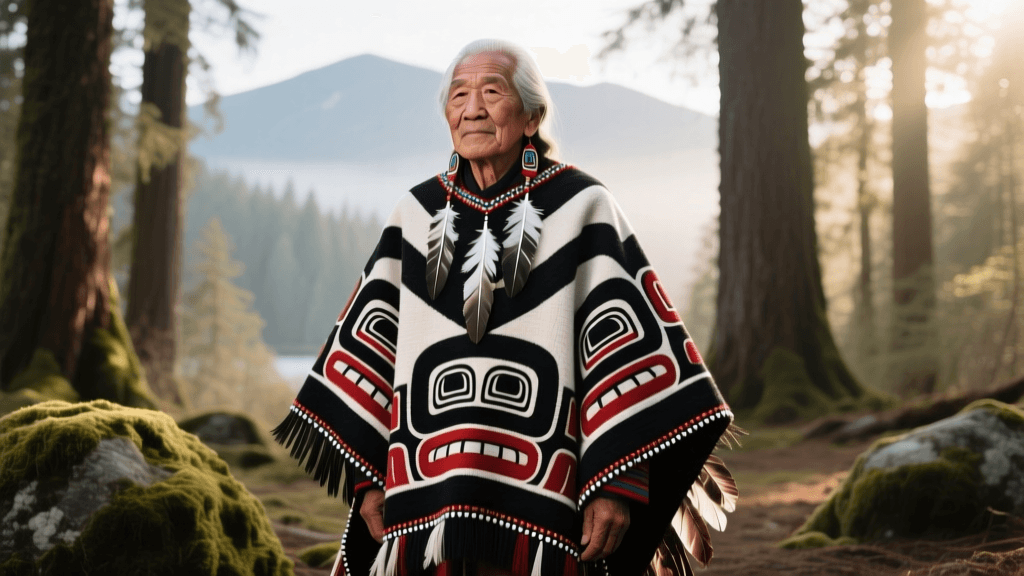
Understanding Haida and Tlingit dress traditions requires moving beyond the Western concept of 'fashion.' These garments are legal documents, spiritual armor, and historical archives woven into physical form. Whether it is the intricate geometry of a Ravenstail robe or the sweeping ovoids of a Chilkat blanket, every thread and carved adornment tells a story of lineage, territory, and cosmic balance. This 2026 guide explores the foundational techniques of these traditions, outlines the current market for authentic pieces, and provides actionable advice for ethical sourcing and archival preservation.
The Foundations: Chilkat and Ravenstail Weaving
At the pinnacle of Pacific Northwest textile arts is the Chilkat robe, known in the Tlingit language as naaxiin. Originating with the Tsimshian and Chilkat Tlingit weavers, this technique is widely considered one of the most complex weaving methods ever developed. Unlike standard loom weaving, Chilkat weaving utilizes a suspension loom where the warp threads hang freely. The warp is created by twisting mountain goat wool around a core of shredded yellow cedar bark, providing both strength and a distinctive, heavy drape. The weft, composed entirely of naturally dyed mountain goat wool, is applied using a twining technique that allows for the creation of the sweeping, curvilinear formline designs characteristic of the region.
Predating the Chilkat style is Ravenstail weaving, a highly geometric, striking black-and-white textile tradition that has seen a massive resurgence among Indigenous weavers in 2026. Ravenstail relies on intricate twining patterns to create sharp, angular designs that mimic the eyes and feathers of the raven. Because the patterns are not painted on but mathematically calculated and woven directly into the fabric, mastering Ravenstail requires years of dedicated study. Today, contemporary weavers are pushing the boundaries of both styles, incorporating sustainably sourced commercial merino wools alongside traditionally harvested goat wool to make the practice more accessible while maintaining the structural integrity of the ancestral methods.
Haida Spruce Root Hats and Carved Adornments
While the Tlingit are renowned for their wool textiles, the Haida people of Haida Gwaii and Prince of Wales Island are globally celebrated for their masterful spruce root weaving. The tsʼáa ghát, or spruce root hat, is a marvel of waterproof engineering and artistic expression. Harvested carefully from the roots of the Sitka spruce tree, the roots are split, boiled, and woven into incredibly tight, concentric patterns that are entirely impervious to the heavy coastal rains.
In 2026, the finest spruce root hats are often adorned with painted formline crests or topped with carved wooden cylinders that denote the wearer's clan and social status. These hats are not relegated to museum cases; they are actively worn during potlatches, graduations, and cultural gatherings. The integration of carved yellow cedar or red cedar elements—such as frontlets, maskettes, and dance wands—further elevates the Haida and Tlingit regalia, creating a dynamic interplay between the soft, flowing textiles and the rigid, painted woodcarvings that animate during ceremonial dances.
The Button Blanket: Evolution of the Dance Robe
No discussion of Pacific Northwest regalia is complete without the button blanket. Born from the post-contact trade era when Indigenous artisans acquired Hudson's Bay wool blankets and glass or shell buttons, the button blanket has evolved into a cornerstone of modern ceremonial dress. Artisans cut clan crests from broadcloth or felt and appliqué them onto the heavy wool base, outlining the formline designs with hundreds of iridescent abalone shell or mother-of-pearl buttons.
In 2026, the button blanket remains a staple of the potlatch and the powwow. Contemporary Haida and Tlingit artists are experimenting with new materials, including laser-cut reflective fabrics and sustainably harvested synthetic pearls, to create dance robes that catch the light of modern performance spaces while honoring the ancestral silhouettes. The rhythmic clacking of the buttons against one another during a dance is considered a vital auditory component of the ceremony, calling forth the spirits and marking the rhythm of the accompanying drums.
2026 Market Guide: Pricing and Commissioning
Acquiring authentic Haida and Tlingit regalia is a significant investment of both capital and patience. The creation of these garments is incredibly labor-intensive, often requiring the harvesting, processing, and weaving of materials by hand. As of 2026, the market for authentic, Native-made Pacific Northwest garments reflects the immense skill and time required. Below is a breakdown of current market expectations for collectors, institutions, and community members looking to commission or purchase pieces.
| Garment / Accessory | Primary Materials | Estimated 2026 Market Price (USD) | Creation Timeline |
|---|---|---|---|
| Authentic Chilkat Robe (Naaxiin) | Mountain goat wool, yellow cedar bark | $25,000 - $60,000+ | 1 - 3 Years |
| Ravenstail Dance Robe | Mountain goat wool, cedar bark, commercial yarns | $8,000 - $18,000 | 6 - 14 Months |
| Haida Spruce Root Hat (Tsʼáa Ghát) | Sitka spruce roots, paint, cedar | $1,500 - $4,500 | 2 - 6 Months |
| Formline Appliqué Button Blanket | Melton wool, broadcloth, abalone shell | $1,200 - $3,500 | 1 - 3 Months |
| Contemporary Formline Streetwear | Cotton blends, fleece, silk | $45 - $250 | Small Batch Production |
When commissioning a piece directly from a master weaver or carver, buyers should expect to pay a non-refundable deposit upfront to cover the cost of raw materials and the initial weeks of harvesting and preparation. Waitlists for master weavers in Southeast Alaska and Haida Gwaii frequently extend beyond 18 months.
Ethical Sourcing and Legal Protections
The commercialization of Indigenous art has historically been plagued by cultural appropriation and counterfeit goods. To protect Native artisans, the United States enforces the Indian Arts and Crafts Act of 1990, which makes it illegal to offer or display for sale any art or craft product in a manner that falsely suggests it is Indian-produced. When sourcing Haida or Tlingit garments in 2026, buyers must conduct rigorous due diligence.
Always purchase directly from the artist, from Native-owned galleries, or through verified tribal enterprises. The Indian Arts and Crafts Board provides resources for reporting counterfeit goods and verifying the authenticity of Native-made products. Furthermore, supporting organizations like the Sealaska Heritage Institute, which actively funds and promotes Tlingit, Haida, and Tsimshian arts, ensures that your investment directly supports the cultural continuity of the region. If a vendor cannot provide the specific tribal enrollment status of the artist, walk away.
Archival Care for Cedar and Wool
For collectors, museums, and families entrusted with the care of these sacred garments, proper preservation is paramount. Mountain goat wool, cedar bark, and spruce roots are organic materials highly susceptible to environmental degradation, pest infestations, and light damage. The Smithsonian National Museum of the American Indian recommends strict environmental controls for the preservation of Native textiles.
- Climate Control: Maintain a relative humidity (RH) between 45% and 55%, with a stable temperature around 65°F (18°C). Fluctuations in humidity cause cedar bark to become brittle and wool fibers to expand and contract, leading to structural failure.
- Pest Management: Wool is highly attractive to clothes moths and carpet beetles. Store garments in sealed, acid-free archival boxes with unmedicated, pest-repellent cedar blocks. Never use chemical mothballs, as the off-gassing will permanently damage the fibers and strip natural dyes.
- Light Exposure: Ultraviolet (UV) and visible light will rapidly fade the natural dyes (such as hemlock bark brown and copper oxide green) used in Chilkat and Ravenstail robes. Display garments in low-light environments (under 50 lux) and rotate them out of permanent exhibition every six months.
- Storage Orientation: Never hang a Chilkat or Ravenstail robe by its shoulders on a standard hanger. The sheer weight of the wet-look wool and cedar warp will tear the ancient fibers. Always store these robes flat, supported by acid-free tissue paper to cushion the folds, or rolled around a large, padded archival tube.
Conclusion
The dress traditions of the Haida and Tlingit peoples are not relics of a bygone era; they are vibrant, evolving expressions of identity and resilience. In 2026, the sight of a masterfully woven Chilkat robe or a finely carved spruce root hat in a modern setting is a powerful testament to the survival and flourishing of Pacific Northwest Coast cultures. By understanding the profound technical skill required to create these garments, respecting the legal and ethical frameworks of Indigenous art, and committing to their meticulous preservation, we honor the ancestors who first spun the cedar and the weavers who continue to carry the thread today.