2026 Guide to Diné Traditional Dress: Sourcing Churro Wool & Velvet
The Living Legacy of Diné Sartorial Traditions
Indigenous North American dress traditions are not static relics of the past; they are vibrant, evolving expressions of cultural identity, resilience, and artistry. Among the most iconic and recognizable of these traditions is the traditional dress of the Diné (Navajo) people. Spanning the vast landscapes of the American Southwest, Diné sartorial culture beautifully synthesizes ancient weaving techniques with post-contact materials, creating a visual language that speaks to both history and contemporary Indigenous life.
As we navigate 2026, the demand for authentic, ethically sourced materials to create and maintain traditional Diné garments has never been higher. Whether you are a Diné artisan continuing your family’s lineage, a cultural preservationist, or a textile historian studying regional Indigenous dress, understanding where and how to source genuine materials is paramount. This comprehensive guide explores the essential components of Diné traditional dress—including the woven biil, velvet garments, and silverwork—and provides actionable, up-to-date sourcing advice for the modern era.
Sourcing Authentic Navajo-Churro Wool for the Biil
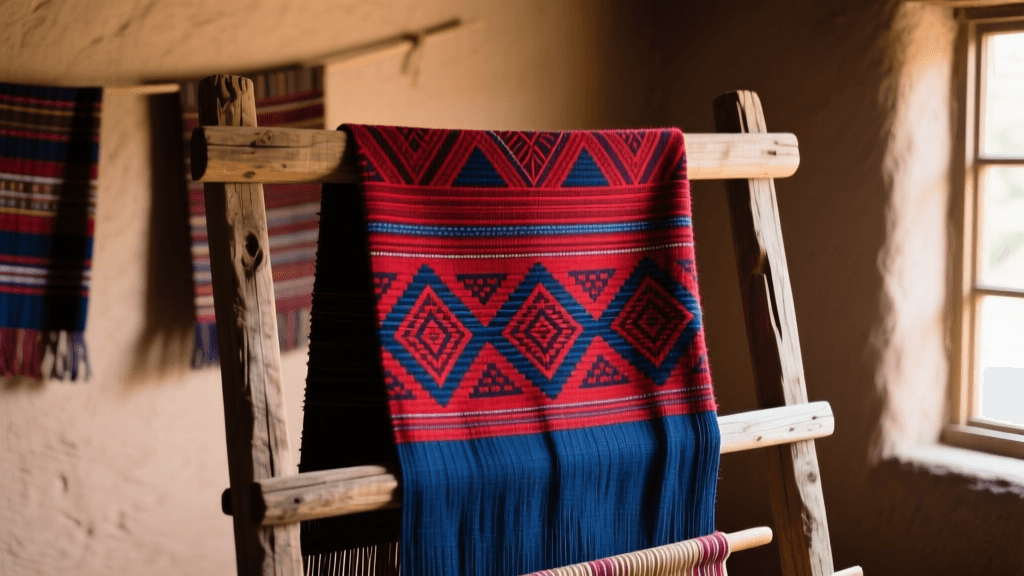
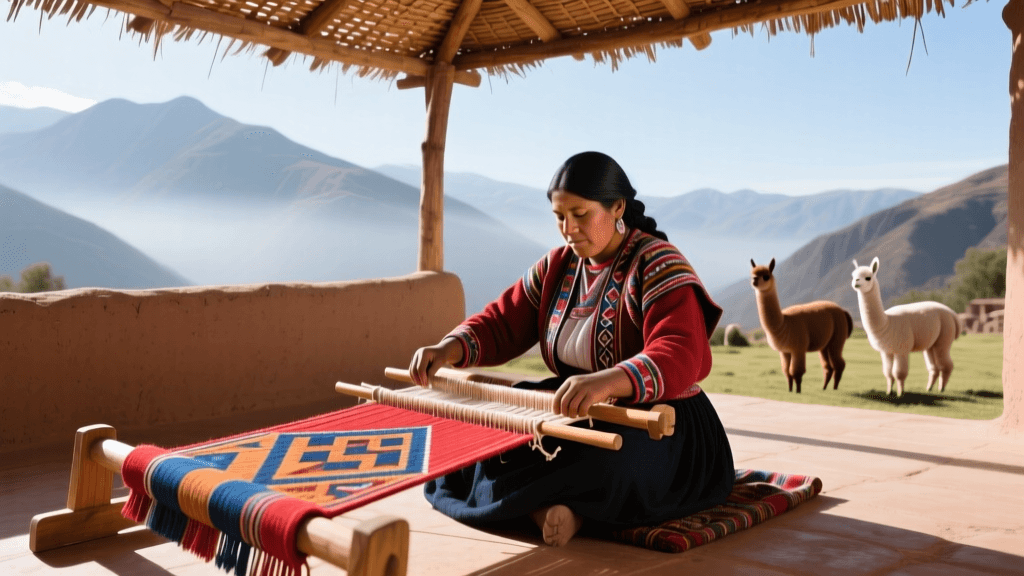
The foundation of historical Diné textile art is the biil, a traditional two-piece woven dress. Before the introduction of commercial fabrics, the biil was woven entirely on an upright loom using the wool of the Navajo-Churro sheep. This heritage breed, brought to the Americas by Spanish explorers in the 16th century, possesses a unique fleece characterized by a long staple length, low lanolin content, and a dual-coated structure that makes it ideal for hand-spinning and weaving without extensive industrial processing.
In 2026, sourcing authentic, 100% Navajo-Churro wool requires connecting directly with Indigenous shepherds and specialized cooperatives. The mass commercial wool market is saturated with Merino and Rambouillet crosses, which lack the structural integrity and historical accuracy required for a traditional biil.
Where to Buy in 2026
- Black Mesa Weavers for Life and Land: This Indigenous-owned cooperative remains a premier source for raw fleece, hand-carded batts, and hand-spun Churro yarn. Purchasing directly supports Diné and Hopi shepherds on the Black Mesa plateau.
- The Navajo-Churro Sheep Association (N-CSA): According to the Navajo-Churro Sheep Association, connecting with registered breeders ensures genetic purity. Many breeders sell raw fleece directly to weavers in the spring following the annual shearing.
Cost and Yardage: As of early 2026, raw Navajo-Churro fleece averages $25 to $45 per pound, depending on the color and staple quality. Hand-spun, naturally dyed yarn can range from $80 to $120 per pound. A traditional full-length biil requires approximately 4 to 6 pounds of finished hand-spun yarn, depending on the tightness of the weave and the size of the wearer.
Natural Dyes: Sourcing Botanical Colors
While commercial aniline dyes are common, the highest tier of traditional Diné weaving utilizes natural, botanical dyes. Sourcing these materials in 2026 involves both foraging (where legally and culturally permitted on tribal lands) and purchasing from specialized Indigenous botanical suppliers.
- Indigo: Sourced from the Indigofera plant, historically traded into the Southwest. Pre-reduced indigo vats are available from natural dye suppliers, but traditionalists still ferment raw indigo leaves.
- Cochineal: Harvested from the prickly pear cactus mealybug, this yields brilliant crimsons and purples. Dried cochineal insects can be sourced from specialty textile shops in New Mexico and Arizona.
- Rabbitbrush and Sage: Foraged locally in the Southwest, these yield rich yellows, golds, and olive greens. Mordanting with local juniper ash or alum is essential for colorfastness.
Selecting the Right Velvet for Blouses and Skirts
In the late 19th and early 20th centuries, trading posts introduced cotton velveteen to the Navajo Nation. The Diné quickly adopted this luxurious fabric, integrating it into their traditional dress. Today, a velvet blouse and tiered skirt, often adorned with silver concho buttons, is the standard formal attire for Diné women at powwows, graduations, and political events.
Fabric Weight and Composition
Not all velvet is created equal. For traditional Diné garments, you must avoid modern synthetic stretch velvets or lightweight apparel velvets. The correct material is 100% cotton velveteen, typically weighing between 12 and 16 ounces per square yard. This heavy weight provides the structured drape necessary for the full, tiered skirts and ensures the fabric can support the weight of heavy silver buttons and turquoise jewelry without tearing.
Colors: Traditional colors remain deeply rooted in the earth and the night sky. Deep black, rich burgundy, and dark navy blue are the most historically accurate and widely worn colors in 2026. Jewel tones like emerald and deep plum are also gaining popularity among younger Diné designers.
Sourcing and Pricing: High-quality 100% cotton velveteen can be sourced from specialized upholstery and historical reproduction fabric vendors. Expect to pay between $35 and $55 per yard in 2026. A standard velvet blouse requires 2.5 to 3.5 yards, while a full, three-tiered skirt can require anywhere from 8 to 12 yards of fabric depending on the desired fullness.
Silverwork, Turquoise, and Moccasins
No Diné traditional outfit is complete without its accompanying silverwork and footwear. The squash blossom necklace, the concho belt, and the sandal or moccasin are vital regional markers.
Ethical Sourcing of Silver and Turquoise
The market is unfortunately flooded with imported, mass-produced 'Native-style' jewelry. To ensure authenticity and support the Indigenous economy, buyers must adhere to the guidelines set forth by the Indian Arts and Crafts Board, which enforces the Indian Arts and Crafts Act. Always purchase directly from verified Diné silversmiths or reputable, Native-owned galleries in Santa Fe, Gallup, or Window Rock.
When selecting turquoise for a custom squash blossom or belt, look for established Southwestern mines. Kingman, Sleeping Beauty, and Royston turquoise remain highly prized in 2026. Expect to pay a premium for natural, untreated stones set in heavy-gauge sterling silver stamped with the artist's hallmark.
Footwear: The Traditional Moccasin
Diné moccasins are distinct, often featuring a hard, rawhide sole and a soft, brain-tanned deer hide upper, sometimes dyed with mountain mahogany root for a rich reddish-brown hue. In 2026, brain-tanned deer hide is a luxury material, often costing $150 to $250 per hide due to the intensive, smoke-curing process required. Sourcing requires connecting with traditional hide-tanners on the reservation or at regional Indigenous trade fairs.
2026 Material Sourcing and Cost Comparison
The following table provides a quick-reference guide for artisans and collectors budgeting for a complete, authentic Diné traditional outfit in 2026.
| Material Component | Recommended Specification | Est. 2026 Cost | Sourcing Notes |
|---|---|---|---|
| Navajo-Churro Fleece | Raw, dual-coated, 4-6 lbs | $100 - $270 | Buy from N-CSA breeders or Black Mesa co-ops. |
| Cotton Velveteen | 100% Cotton, 12-16 oz weight | $35 - $55 / yard | Avoid poly-blends; check historical fabric suppliers. |
| Brain-Tanned Deer Hide | Smoked, medium weight (for uppers) | $150 - $250 / hide | Source directly from Indigenous hide-tanners. |
| Sterling Silver Conchos | Heavy gauge, hand-stamped | $80 - $250 / piece | Verify artist hallmark; avoid cast imports. |
| Natural Indigo Dye | Pre-reduced vat or raw leaves | $40 - $90 / kit | Specialty natural dye shops or botanical foragers. |
Garment Care and Cultural Preservation
Preserving these garments is an act of cultural stewardship. The heavy cotton velveteen should never be machine washed, as this crushes the pile and fades the deep dyes. Professional dry cleaning is recommended, but between cleanings, artisans use steam to revive the velvet pile and remove wrinkles. For storage, velvet garments should be hung on padded hangers in a breathable cotton garment bag to prevent dust accumulation and moisture trapping.
Woven Churro wool biils and rugs require different care. They should be stored flat or rolled (never folded, to prevent permanent warp-thread breakage). Cedar chests are traditional and effective for deterring moths, but avoid direct contact between the wool and cedar oil by using acid-free tissue paper as a barrier. Never use chemical mothballs, as they degrade the protein structure of the wool and leave an odor that is nearly impossible to extract from hand-spun yarn.
Ethical Purchasing and Final Thoughts
As interest in Indigenous North American dress traditions continues to grow globally, the ethical boundaries of appreciation versus appropriation must be respected. The textiles, silverwork, and garments of the Diné people are protected intellectual and cultural property. Institutions and private collectors studying these garments should consult resources like the Wheelwright Museum of the American Indian, which houses extensive archives of Navajo textiles and provides vital context on the evolution of Diné weaving.
In 2026, the most powerful way to engage with Diné traditional dress is through direct economic support of the artisans who keep these traditions alive. By sourcing authentic Navajo-Churro wool, investing in heavy cotton velveteen, and commissioning silverwork directly from Native hands, you are not just acquiring materials—you are participating in the ongoing, vibrant survival of one of North America's most profound textile legacies.