2026 NYC & LA Garment District Guide: Ethical Textile Sourcing
The 2026 Landscape of American Fashion Hubs
As we navigate the fashion landscape in 2026, the intersection of traditional Indigenous garment creation and modern American manufacturing hubs has never been more vital. For designers, artisans, and cultural preservationists working within the Americas and Indigenous categories, sourcing the right materials is about more than just aesthetics; it is a matter of cultural respect, structural integrity, and ethical supply chain management. The iconic Garment District in Midtown Manhattan and the sprawling Fashion District in Downtown Los Angeles remain the beating hearts of American textile sourcing. However, the way we interact with these spaces has evolved dramatically.
In 2026, the push for traceable supply chains and Digital Product Passports (DPPs) means that designers can now verify the origins of natural fibers directly from their smartphones. For those creating contemporary Indigenous streetwear, traditional regalia, or heritage-inspired collections, knowing how to navigate these concrete labyrinths to find untreated canvases, heavyweight denims, and ethical trims is an essential skill. This guide provides a comprehensive, actionable roadmap for sourcing materials in New York City and Los Angeles, ensuring your practice honors both the craft and the culture.
New York City: Sourcing Natural Fibers and Heritage Trims
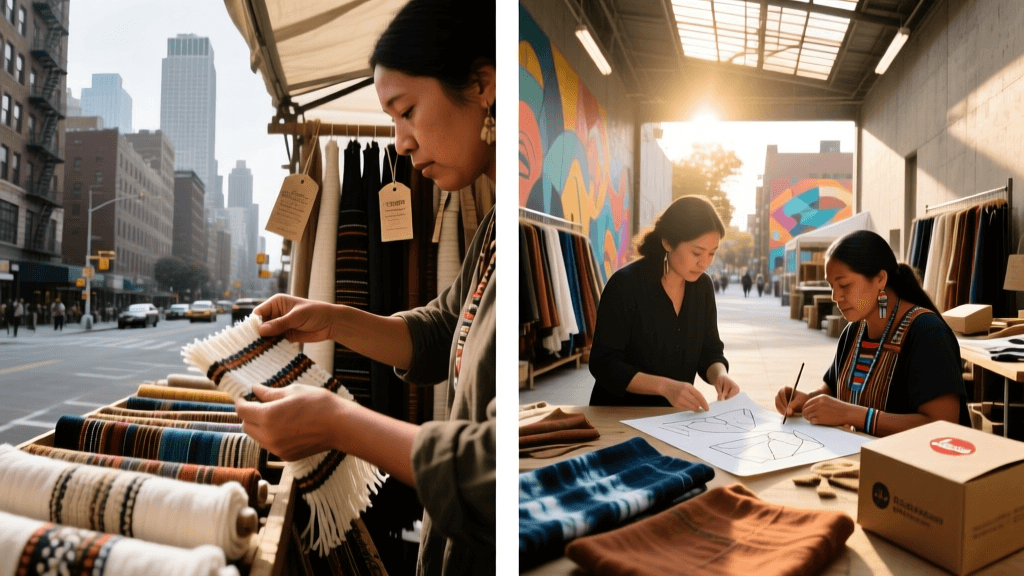
The NYC Garment District, roughly bounded by 34th to 42nd Streets and Sixth to Ninth Avenues, is historically known for high-end fashion fabrics, bridal materials, and specialized trims. For Indigenous designers and artisans, the primary goal here is often sourcing high-quality, natural-fiber canvases that serve as the foundation for intricate beadwork, quillwork, and ribbon appliqué.
Key NYC Sourcing Streets for 2026
- West 38th Street (The Fabric Row): This is your primary destination for natural fibers. In 2026, many legacy shops here have adapted to the demand for sustainable, undyed organic cottons and raw linens. Look for 12oz to 18oz cotton duck canvas, which provides the necessary structural rigidity for heavy glass beadwork without sagging over time.
- West 39th Street (Trims and Findings): Essential for sourcing ethical trims. Here you can find natural leather cords, sinew alternatives, and unbleached cotton threads. When purchasing ribbons for traditional ribbon shirts or skirts, seek out vendors offering 100% rayon or silk-nylon blends that fray cleanly and hold sharp folds when ironed.
- The Leather District (Nearby in the Financial District): While not in the midtown Garment District, a quick subway ride downtown is necessary for sourcing ethically harvested hides. In 2026, several vendors now offer traceable, brain-tanned and smoked buckskin alternatives that mimic the drape and durability of traditional hides, complete with QR codes detailing the animal's origin and the tanning methodology.
According to the New York City Economic Development Corporation, recent zoning protections enacted over the last few years have successfully preserved manufacturing and textile wholesale spaces in Midtown, ensuring that independent designers still have access to physical showrooms rather than purely digital catalogs.
Los Angeles: Heavyweight Canvas, Denim, and Contemporary Regalia
The LA Fashion District covers nearly 100 blocks in Downtown Los Angeles, with a heavy emphasis on streetwear, denim, and casual apparel. This district is the premier destination for contemporary Indigenous designers who are blending traditional motifs with modern silhouettes—such as beaded denim jackets, ribbon-worked hoodies, and heavyweight canvas workwear.
Navigating the LA Fashion District
The epicenter for textile sourcing in LA is the intersection of Maple Avenue and 9th Street. Unlike the curated, high-end boutiques of NYC, LA's district is characterized by massive wholesale warehouses and importers. To source effectively here in 2026, you must be prepared for high-volume environments and minimum order quantities (MOQs).
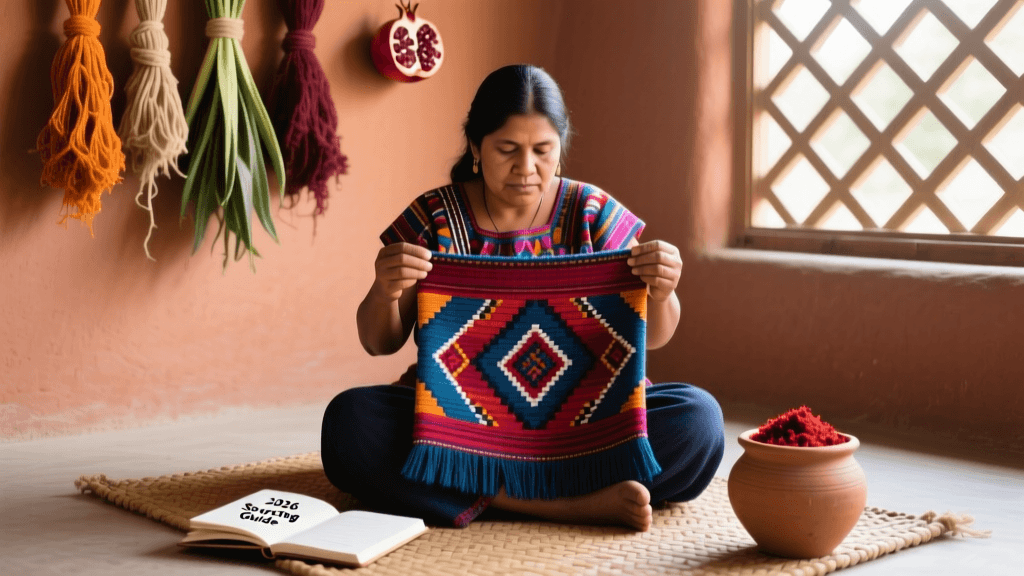
- Denim and Selvedge Sourcing: For Indigenous streetwear brands, LA is the undisputed king of denim. Seek out importers on Maple Avenue specializing in 14oz to 16oz raw selvedge denim. This heavyweight fabric is crucial for garments that will undergo the stress of traditional dance regalia or heavy daily wear. Ensure you ask for 'unwashed, unsanforized' options if you plan to dye the garments using natural, plant-based dyes like black walnut or indigo, as factory pre-washes will block natural dye absorption.
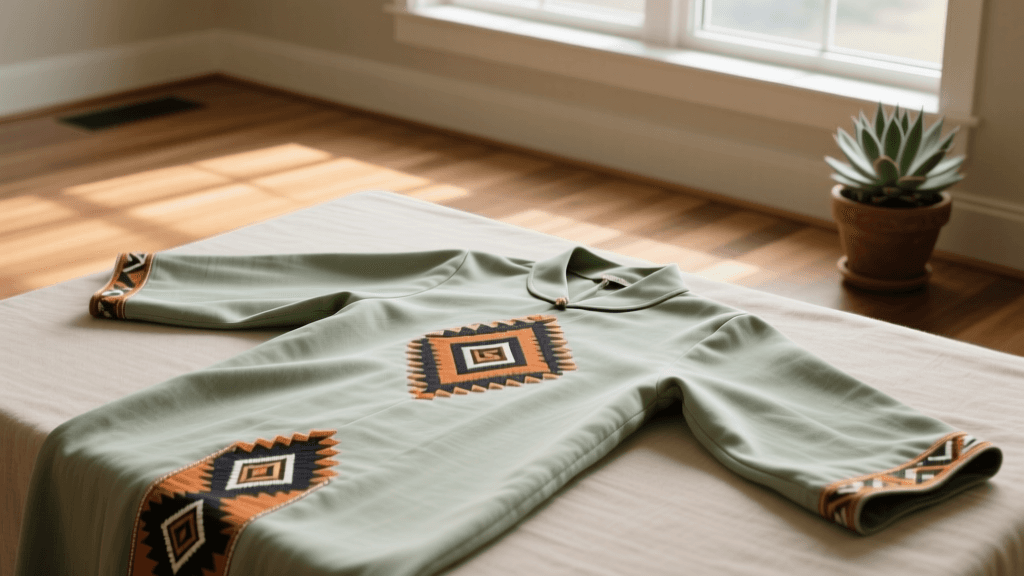
- California Mart and Showrooms: For finished blanks and sustainable fleece, the California Mart hosts showrooms that, as of 2026, are heavily focused on closed-loop water systems and organic cotton blends. Sourcing 400gsm heavyweight organic cotton fleece here provides an excellent, culturally respectful canvas for modern appliqué work.
The Council of Fashion Designers of America (CFDA) has increasingly highlighted the LA district's pivot toward sustainable manufacturing, noting that the West Coast hub is leading the nation in eco-friendly denim processing and water-reclamation technologies, which aligns perfectly with the Indigenous ethos of environmental stewardship.
Ethical Sourcing and the Indian Arts and Crafts Act
When sourcing materials for Indigenous garments, it is critical to distinguish between sourcing materials and sourcing finished cultural goods. The Garment Districts are places to buy blank canvases, threads, and fabrics. They are not the place to buy mass-produced, counterfeit 'Native-inspired' prints or faux-turquoise trims.
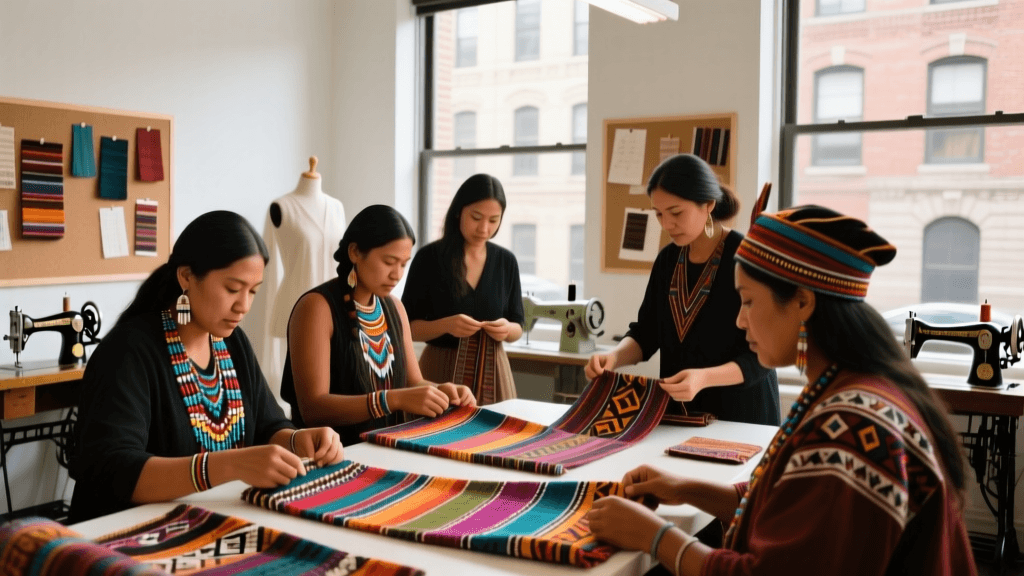
Purchasing and reselling counterfeit Indigenous goods is not only culturally harmful but illegal. The U.S. Department of the Interior's Indian Arts and Crafts Board strictly enforces the Indian Arts and Crafts Act, which prohibits the marketing of any art or craft product in a way that falsely suggests it is Indian-produced. In 2026, enforcement has expanded to include digital supply chains and imported textile prints that mimic sacred tribal patterns. Always buy blank, unbranded textiles in the Garment District, and ensure that all cultural design work, beadwork, and pattern-making is executed by, or in direct, compensated collaboration with, enrolled members of recognized tribes.
NYC vs. LA Garment Districts: 2026 Comparison Chart
| Feature | NYC Garment District | LA Fashion District |
|---|---|---|
| Primary Specialty | High-end fashion fabrics, bridal, specialized trims, silks, and fine wools. | Streetwear, heavyweight denim, casual fleece, canvas, and mass-market textiles. |
| Best For Indigenous Designers | Sourcing rigid canvases for beadwork, ethical ribbons, and specialized sewing findings. | Sourcing raw denim for contemporary streetwear, heavy fleece, and natural dye-ready blanks. |
| Average Minimum Order | Low (Often 5 to 10 yards; some retail-friendly shops allow 1-yard cuts). | High (Often full rolls or 50+ yard minimums, though sample rooms exist). |
| Top Sourcing Streets | W 38th St (Fabrics), W 39th St (Trims). | Maple Ave (Denim/Wholesale), 9th St (Showrooms). |
| 2026 Tech Integration | High adoption of Digital Product Passports for traceable luxury fibers. | Leadership in eco-friendly denim processing and closed-loop water recycling tech. |
Step-by-Step Sourcing Itinerary for Artisans
To maximize your time and budget in either hub, follow this actionable 2026 sourcing strategy:
- Map Your Structural Needs: Before leaving your studio, calculate the exact yardage required. For a standard powwow dance bustle base or a heavily beaded jacket yoke, you need fabrics with a tight weave and high tear-strength. Bring physical swatches of your beads and ribbons to test colorfastness and scale against the fabrics in-store.
- Time Your Visit: In NYC, avoid West 38th Street between 11:00 AM and 2:00 PM when delivery trucks and pedestrian traffic create severe bottlenecks. Arrive at 9:30 AM for the best service from wholesale clerks. In LA, the Maple Avenue warehouses open early; aim for an 8:30 AM arrival to beat the midday heat and the rush of commercial freight.
- Test for Dye and Drape: Always ask for a 'burn test' snippet if the fiber content is unlabeled, ensuring you are buying 100% natural cellulose or protein fibers (cotton, linen, wool, silk) rather than synthetic polyesters, which do not breathe well during long ceremonial dances and resist natural dyes.
- Invest in the Right Hardware: Do not skimp on thread. Source UV-resistant, bonded nylon or heavy-duty cotton-wrapped poly threads in the trim districts. Traditional sinew is irreplaceable for authentic historical reproduction, but for contemporary garments meant for frequent travel and wear, modern high-tensile threads sourced from these districts will prevent catastrophic bead-loss.
- Request Traceability Documentation: In 2026, reputable vendors will provide a digital ledger or QR code linking your purchased cotton or wool back to the farm. Retain this data; it adds immense value to the storytelling aspect of your finished garment, proving your commitment to ethical, earth-conscious sourcing.
Conclusion
The NYC and LA Garment Districts are more than just commercial centers; they are the physical archives of American textile history. By approaching these hubs with a clear understanding of your structural needs, a commitment to ethical sourcing, and a deep respect for the cultural origins of Indigenous design, you can create garments that are not only visually stunning but structurally enduring and culturally resonant. Whether you are threading a needle for a traditional ribbon shirt in a Manhattan studio or cutting raw selvedge denim for a contemporary Indigenous streetwear line in Los Angeles, the right materials are the foundation of your story.