Sourcing Authentic Oaxacan Huipils & Natural Dyes in 2026
The Renaissance of Oaxacan Textiles in 2026
As the global fashion industry continues its necessary pivot toward sustainability, heritage preservation, and slow fashion in 2026, traditional Latin American garments have rightfully claimed center stage. Among the most coveted and culturally significant of these textiles is the Oaxacan huipil. Far more than a simple garment, the huipil is a wearable manuscript, a geographical identifier, and a masterclass in indigenous engineering. For collectors, textile artists, and conscious consumers, understanding how to ethically source these pieces requires a deep dive into the villages, the looms, and the ancient chemistry of natural dyes that define the region's textile arts.
The year 2026 has seen a massive surge in demand for authenticated, naturally dyed indigenous garments, driven by a collective rejection of synthetic fast fashion. However, this demand brings the risk of cultural appropriation and exploitative middlemen. According to the Smithsonian National Museum of the American Indian, indigenous backstrap weaving is not merely a craft but a vital, living language of identity. This guide will equip you with the knowledge to navigate the Oaxacan textile market, distinguish authentic natural dyes from synthetic anilines, and ensure your purchasing power directly supports the artisan communities keeping these traditions alive.
The Anatomy of an Authentic Oaxacan Huipil
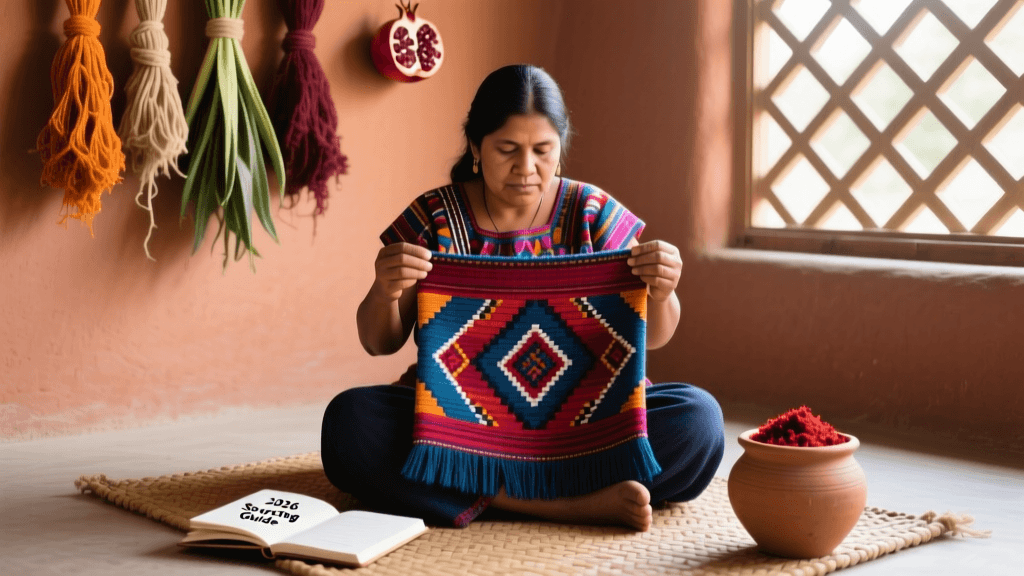
To source an authentic huipil, one must first understand its construction. The traditional Oaxacan huipil is typically constructed from three distinct panels, or lienzos, woven on a backstrap loom. The weaver attaches one end of the loom to a sturdy post or tree and the other to a belt around her waist, using her own body weight to create the tension necessary for weaving. This deeply physical connection between the weaver and the textile is why many indigenous communities believe the garment carries the energy and spirit of its maker.
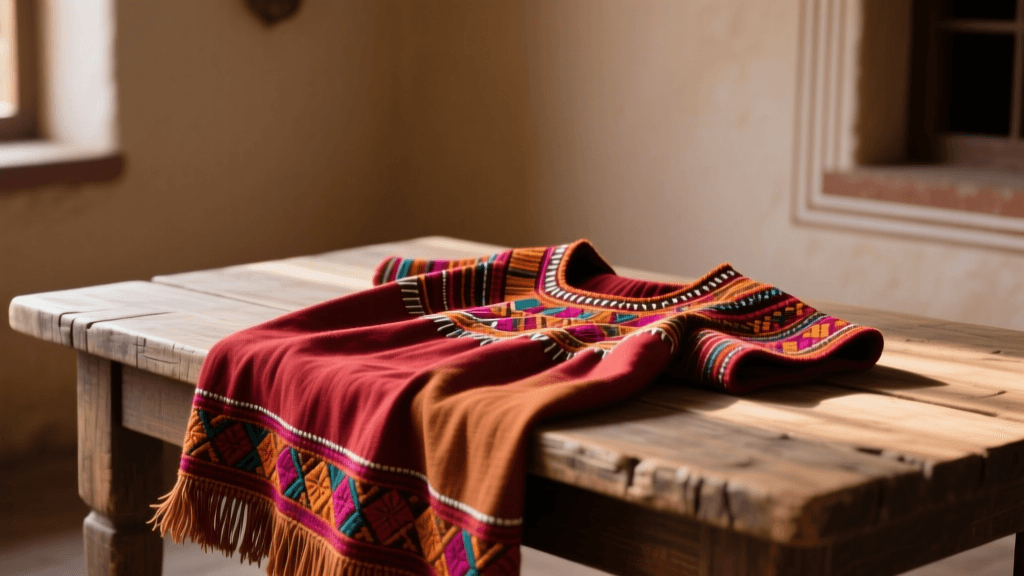
The decoration on a huipil is usually achieved through brocade, a technique where supplementary weft threads are introduced during the weaving process to create intricate patterns. Unlike embroidery, which is stitched onto a finished piece of cloth, brocade is woven directly into the fabric. In 2026, master weavers from regions like the Isthmus of Tehuantepec and the Mixteca continue to use motifs that map their cosmos: diamonds representing the universe and the four cardinal directions, zig-zags symbolizing the life-giving rain and lightning, and stylized flora and fauna that reflect the local biodiversity.
The Chemistry of Tradition: Natural Dyes vs. Synthetics
The most critical factor in evaluating the worth and authenticity of an Oaxacan textile in today's market is the dye profile. While cheap synthetic aniline dyes flooded the market in the late 20th century, the 2026 artisan revival is heavily focused on rescuing and utilizing pre-Columbian natural dye techniques.
Cochineal: The Red Gold of the Americas
Cochineal (Dactylopius coccus) is a scale insect that lives on the pads of the nopal cactus. When dried and ground, it produces a potent carminic acid that yields brilliant reds, pinks, and purples. Artisans manipulate the pH of the dye bath using natural mordants: adding lime juice creates vibrant oranges and reds, while adding wood ash or baking soda shifts the color to deep purples and maroons. A genuine cochineal-dyed garment will have a slightly complex, multi-tonal depth that flat synthetic reds cannot replicate.
Indigo and Marigold
Native Oaxacan indigo (Indigofera suffruticosa) is processed through a complex fermentation vat. The resulting blues range from pale sky to deep midnight. Because indigo is a vat dye rather than a mordant dye, it coats the outside of the cotton fiber, meaning it will naturally fade and patina beautifully over years of wear. Marigold (cempasúchil) and pecan shells are also widely used to achieve warm yellows, golds, and rich earthy browns, rounding out a completely natural, biodegradable color palette.
Ethical Sourcing and 2026 Market Rates
When purchasing traditional garments, it is imperative to bypass tourist boutiques in Oaxaca City that often mark up prices by 400% while paying the weavers a fraction of the cost. Instead, buyers in 2026 are encouraged to purchase directly from cooperatives or certified fair-trade organizations. Aligning your purchases with the ethical guidelines outlined by the Fair Trade Federation ensures that weavers receive a living wage, work in safe conditions, and retain the intellectual property rights to their ancestral designs.
Below is a comprehensive breakdown of what you should expect to pay for authentic, naturally dyed Oaxacan textiles in the 2026 market. These prices reflect fair-trade compensation for the hundreds of hours of labor involved in hand-spinning, natural dyeing, and backstrap weaving.
| Garment Type | Weaving Technique | Dye Profile | 2026 Fair-Trade Price (USD) |
|---|---|---|---|
| Everyday Huipil | Backstrap, single panel | Commercial cotton, minimal natural dye | $120 - $180 |
| Ceremonial Huipil | Backstrap, 3-panel brocade | 100% Natural (Cochineal, Indigo) | $450 - $850 |
| Wedding Huipil | Pedal or backstrap, heavy brocade | White on white, natural coyuche cotton | $600 - $1,200 |
| Rebozo (Shawl) | Pedal loom, ikat warp | Indigo and Marigold | $200 - $350 |
| Quexquémitl (Cape) | Backstrap, interlocking seams | Cochineal and wild cotton | $300 - $500 |
Key Artisan Villages for Direct Sourcing
If you are traveling to Oaxaca or ordering from regional cooperatives online, knowing the specific specialties of each village is crucial. Traditional weaving methods are increasingly protected and documented under frameworks like the UNESCO Intangible Cultural Heritage list, highlighting the importance of geographical specificity in textile arts.
- San Juan Colorado: Located in the Mixtec region, this village is world-renowned for its intricate backstrap-woven huipils. The weavers here are masters of the brocade technique and are fiercely dedicated to using naturally dyed cotton. If you are looking for a high-end, museum-quality ceremonial huipil, this is the premier source.
- Santo Tomás Jalieza: While primarily famous for its belt and sash weaving on the backstrap loom, the cooperatives here produce incredible supplementary weft accessories that perfectly complement a traditional huipil. It is an excellent starting point for building a traditional wardrobe.
- Teotitlán del Valle: It is important to note that Teotitlán is primarily a rug-weaving village utilizing the heavy pedal loom. While they produce stunning naturally dyed wool tapestries, buyers looking for wearable, lightweight cotton garments should look to the Mixtec and Zapotec backstrap weaving villages instead to avoid heavy, stiff wool garments masquerading as traditional apparel.
Caring for Your Natural-Dyed Garments
Owning a naturally dyed, hand-woven huipil requires a shift in how we think about garment maintenance. These are living textiles that require gentle, mindful care to preserve their structural integrity and color vibrancy for decades.
Washing Instructions
Never machine wash or dry clean a backstrap-woven garment. Dry cleaning chemicals will strip the natural oils from hand-spun cotton and can cause natural dyes like indigo to bleed unpredictably. Instead, fill a basin with cold water and use a pH-neutral, botanical detergent. Submerge the garment and gently agitate it with your hands. Do not wring or twist the fabric, as this can warp the tension of the brocade patterns.
Drying and Storage
Lay the garment flat on a clean, dry towel in the shade. Direct sunlight is the enemy of natural dyes; prolonged UV exposure will rapidly fade cochineal and marigold. When storing your huipil for the off-season, avoid wire hangers which will distort the shoulder seams. Fold the garment carefully with acid-free tissue paper and store it in a breathable cotton bag in a cool, dry place to protect it from humidity and textile pests.
Conclusion
Sourcing an authentic Oaxacan huipil in 2026 is an investment in cultural preservation, environmental sustainability, and indigenous sovereignty. By learning to read the brocade, understanding the chemistry of natural dyes, and committing to fair-trade pricing, collectors and consumers can ensure that the magnificent textile traditions of Latin America continue to thrive for generations to come. Whether you are wearing it as a statement of slow fashion or preserving it as a piece of textile art, the Oaxacan huipil remains one of the most profound and beautiful garments the Americas have ever produced.