Authentic Oaxacan Huipils & Cochineal Dyes: 2026 Guide
The Living Codex: Understanding the Oaxacan Huipil in 2026
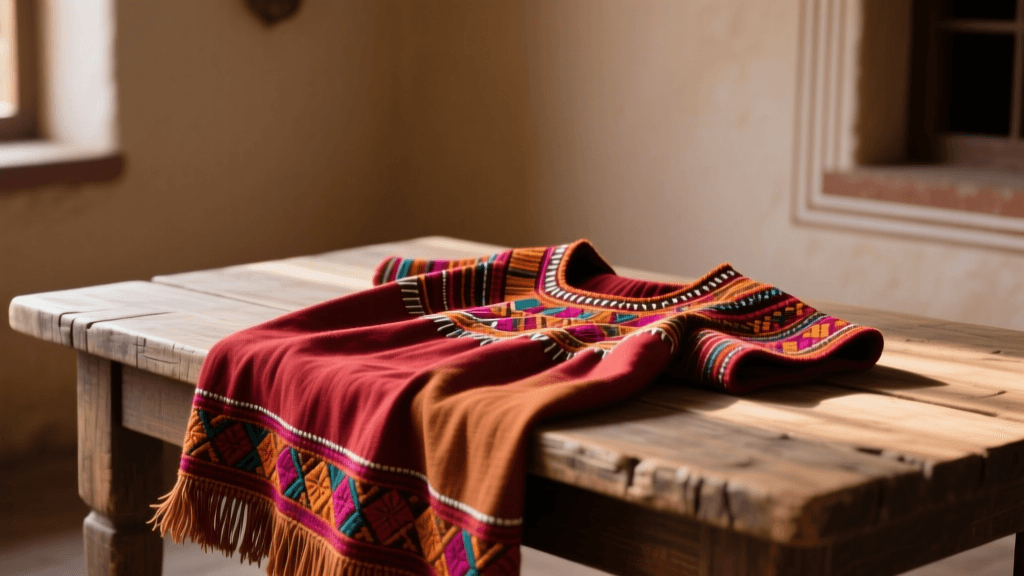
For centuries, the huipil has served as far more than a simple tunic in Latin America; it is a wearable codex of indigenous identity, cosmology, and regional pride. In the southern Mexican state of Oaxaca, the traditional huipil remains a vital expression of Zapotec and Mixtec heritage. As we navigate the global textile landscape in 2026, the demand for these hand-woven garments has surged, driven by a collective pivot toward slow fashion, cultural preservation, and indigenous sovereignty. However, this rising demand has also flooded the market with mass-produced imitations, making it crucial for collectors, designers, and cultural enthusiasts to understand the hallmarks of true artisanal craftsmanship.
A genuine Oaxacan huipil is typically constructed from two or three panels of hand-woven cloth, joined together with intricate randa (decorative stitching). The weaver utilizes a pre-Columbian backstrap loom, an ingenious device where the weaver’s own body provides the tension for the warp threads. This intimate connection between the artisan and the textile means that every huipil carries the physical rhythm and unique tension of its creator. In 2026, mastering the backstrap loom remains a deeply respected skill, often passed down through matrilineal lines, with master weavers spending up to six months on a single, heavily brocaded ceremonial garment.
The Alchemy of Cochineal: Sourcing Natural Reds
At the heart of the most prized and valuable Oaxacan textiles is cochineal, a brilliant natural dye derived from the Dactylopius coccus insect. This tiny scale insect is native to Mesoamerica and lives exclusively on the pads of the nopal (prickly pear) cactus. When dried and crushed, the female insects yield carminic acid, a potent pigment that produces breathtaking shades of crimson, scarlet, and magenta. According to historical and agricultural documentation from the Food and Agriculture Organization (FAO), cochineal production requires meticulous ecological balance, as the insects are highly sensitive to temperature fluctuations and rainfall.
In 2026, the cultivation of cochineal in Oaxaca’s Central Valleys has seen a renaissance, supported by agricultural grants aimed at preserving indigenous botanical knowledge. The dyeing process itself is a masterclass in organic chemistry. Artisans do not simply boil the insects; they carefully manipulate the pH levels of the dye bath using natural mordants. By introducing acidic elements like lime juice or fermented pineapple, the weaver shifts the color toward vibrant oranges and corals. Conversely, adding alkaline substances like wood ash or baking soda pushes the pigment into deep purples and aubergines. Iron-rich mud is often used as a saddening agent to create muted maroons and dark browns. This chemical mastery ensures that no two naturally dyed huipils are exactly alike.
Decoding Regional Motifs and Weaving Techniques
Oaxaca is divided into numerous distinct weaving regions, each with its own visual vocabulary and structural techniques. Understanding these regional differences is essential for accurate sourcing and appreciation.
San Bartolo Yautepec
Located in the Sierra Sur, this Zapotec community is globally renowned for its extraordinarily wide and elaborate brocade work. The weavers of Yautepec utilize a supplementary weft technique, floating brightly colored threads over the base cotton to create dense, tapestry-like patterns. Common motifs include the double-headed eagle (a nod to both pre-Hispanic mythology and colonial influence), stylized lions, and intricate geometric representations of the local flora. A full-ceremony huipil from Yautepec can take over eight months to complete and is considered a museum-grade textile.
San Juan Colorado
In the Mixtec region of the Costa Chica, the weavers of San Juan Colorado are celebrated for their use of coyuche cotton. Unlike the stark white cotton commonly used elsewhere, coyuche is a naturally occurring brown cotton native to the region. The artisans here weave striking geometric patterns, often utilizing a rich palette of natural indigo and cochineal to contrast against the warm, earthy tones of the coyuche base. The resulting garments have a deeply rustic, organic aesthetic that is highly sought after by contemporary textile collectors in 2026.
2026 Ethical Sourcing and Pricing Guide
As the global slow-fashion movement matures, ethical sourcing has transitioned from a niche concern to a baseline expectation. Aligning with the principles outlined by UNESCO’s framework for Intangible Cultural Heritage, modern collectors must ensure that their purchasing habits directly support the economic autonomy of indigenous weavers. In 2026, the most ethical route is purchasing directly from artisan cooperatives or verified fair-trade galleries that guarantee transparent supply chains.
Below is a comparative breakdown of the 2026 market for Oaxacan huipils, highlighting the stark differences in quality, price, and ethical impact.
| Sourcing Channel | Material & Dye Profile | 2026 Price Range (USD) | Ethical Impact & Artisan Compensation |
|---|---|---|---|
| Mass-Market / Tourist Shops | Machine-spun cotton, synthetic azo dyes, machine-embroidered motifs. | $40 - $120 | Low. Often produced in maquiladoras; weavers receive less than 10% of retail value. |
| Verified Fair-Trade Cooperatives | Hand-spun or high-grade commercial cotton, mix of natural and commercial dyes. | $250 - $600 | High. Artisans retain 60-75% of profits; funds support community workshops. |
| Master Artisan Direct Commission | Hand-spun native cotton (coyuche), 100% natural dyes (cochineal, indigo, wild marigold). | $800 - $2,500+ | Maximum. 100% direct compensation; preserves endangered, time-intensive techniques. |
Authenticity Verification: Natural vs. Synthetic
With the premium placed on natural dyes in 2026, synthetic imitations have become increasingly sophisticated. However, there are several non-destructive tests you can perform to verify the authenticity of a cochineal-dyed huipil before making a significant investment.
- The Scent Test: Genuine natural-dyed textiles carry a faint, earthy aroma reminiscent of dried leaves, damp soil, or wood smoke. Synthetic dyes often emit a sharp, chemical, or petroleum-like odor, especially when the fabric is rubbed vigorously or exposed to steam.
- The pH Shift Test: Because cochineal is highly reactive to pH changes, you can test a discreet, inner thread of the garment. Apply a tiny drop of lemon juice (acidic); if the dye is genuine cochineal, the red thread will immediately shift to a bright orange. Apply a drop of baking soda dissolved in water (alkaline), and the thread will turn a deep purple or magenta. Synthetic reds will remain unchanged.
- The Stitch Inspection: Examine the brocade under a magnifying glass. Hand-woven supplementary weft threads will show slight, organic irregularities in tension and thickness. Machine-embroidered imitations will feature perfectly uniform, locked stitches with synthetic sheen.
Preserving Your Garment: Care and Maintenance
Owning a naturally dyed, hand-woven huipil requires a departure from modern, convenience-based laundry habits. The experts at the George Washington University Textile Museum emphasize that natural fibers and botanical dyes are highly susceptible to harsh detergents and ultraviolet degradation.
To ensure your garment survives for generations, adhere to the following 2026 conservation standards:
- Washing: Never machine wash or dry clean a natural-dyed huipil. The chemicals in dry cleaning solvents will strip the carminic acid and indigo. Hand wash the garment in cold water using a pH-neutral, textile-specific soap (such as Eucalan or Orvus Paste).
- Rinsing and Drying: Do not wring or twist the fabric, as this can snap the delicate hand-spun warp threads. Gently press the water out by rolling the huipil in a clean, colorfast cotton towel. Lay the garment flat on a mesh drying rack in a well-ventilated, shaded area. Direct sunlight will rapidly fade natural cochineal and indigo.
- Storage: Store the huipil flat in an acid-free archival box. If you must fold it, pad the folds with unbleached muslin to prevent permanent creasing and fiber breakage. Never store natural-dyed textiles in plastic bags, as trapped moisture can lead to mildew and irreversible dye bleeding.
Conclusion
The Oaxacan huipil is a triumph of human ingenuity, blending mathematics, chemistry, and profound cultural storytelling into a single garment. As the textile market continues to evolve in 2026, the responsibility falls on collectors and enthusiasts to look beyond the aesthetic beauty of these pieces. By understanding the intricate processes of backstrap weaving and cochineal dyeing, and by committing to ethical, transparent sourcing, we can help ensure that the vibrant legacy of Zapotec and Mixtec artisans continues to thrive for centuries to come.