Authentic Peruvian Alpaca Llicllas & Weaving Guide 2026
The Enduring Legacy of the Andean Lliclla
The Andean highlands of Peru have long been home to some of the most sophisticated and enduring textile traditions in the world. At the heart of this cultural tapestry is the lliclla (pronounced yEEK-yah), a traditional rectangular manta or shawl worn primarily by Indigenous Quechua and Aymara women. Far more than a simple garment, the lliclla serves as a vital marker of community identity, a practical tool for carrying children and agricultural goods, and a profound expression of cosmological beliefs. As we navigate the sustainable fashion landscape of 2026, the demand for authentic, hand-woven alpaca llicllas has surged, driven by a global appreciation for slow fashion, ethical sourcing, and the preservation of intangible cultural heritage.
Anatomy of the Lliclla: Materials and Structure
A traditional lliclla is typically woven in two separate panels on a backstrap loom and then joined together. The standard dimensions for a full-sized adult lliclla in 2026 range from 1.2 to 1.5 meters in width and 1.0 to 1.3 meters in length, though sizes vary based on the specific region and intended use. The garment is constructed from three distinct visual and structural zones:
- The Pampa: The plain-woven, solid-colored background sections of the textile. The pampa represents the vast, open landscapes of the Andes and requires immense skill to weave with perfectly even tension.
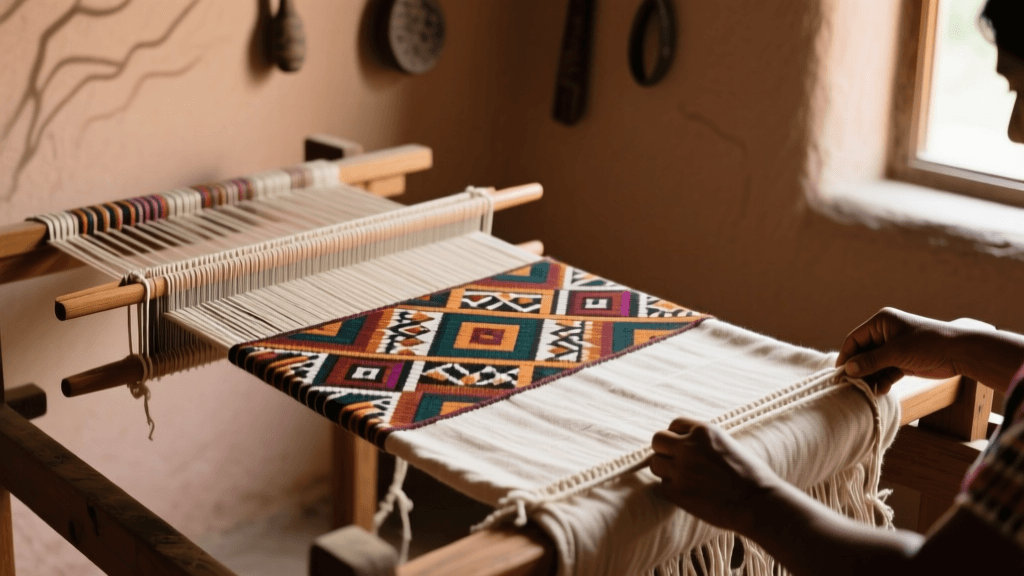
- The Pallay: The intricate, supplementary warp-patterned bands that run through the center and edges of the lliclla. The pallay contains the symbolic language of the weaver.
- The Randa: The decorative, embroidered joining stitch that connects the two woven panels. Often executed in a vibrant, contrasting color, the randa symbolizes the union of dualities, a core concept in Andean philosophy.
Understanding the Pallay Motifs
The pallay (which translates to 'to pick' or 'to harvest' in Quechua) is where the weaver's artistry truly shines. These motifs are not merely decorative; they are a visual lexicon. Common motifs include the ch'aska (star), representing the morning star and agricultural cycles; the kondor (condor), symbolizing the upper world (hanan pacha); and various geometric representations of mountains (apus) and local flora. In 2026, master weavers from communities like Chinchero and Accha Alta continue to innovate within these traditional frameworks, creating complex pallays that can take several months to design and execute.
The Backstrap Weaving Process in 2026
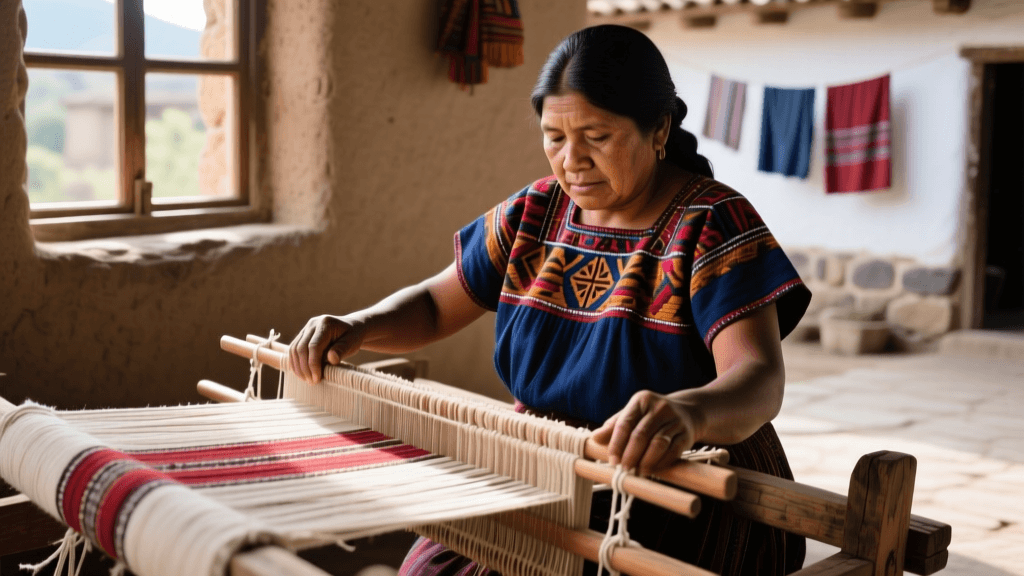
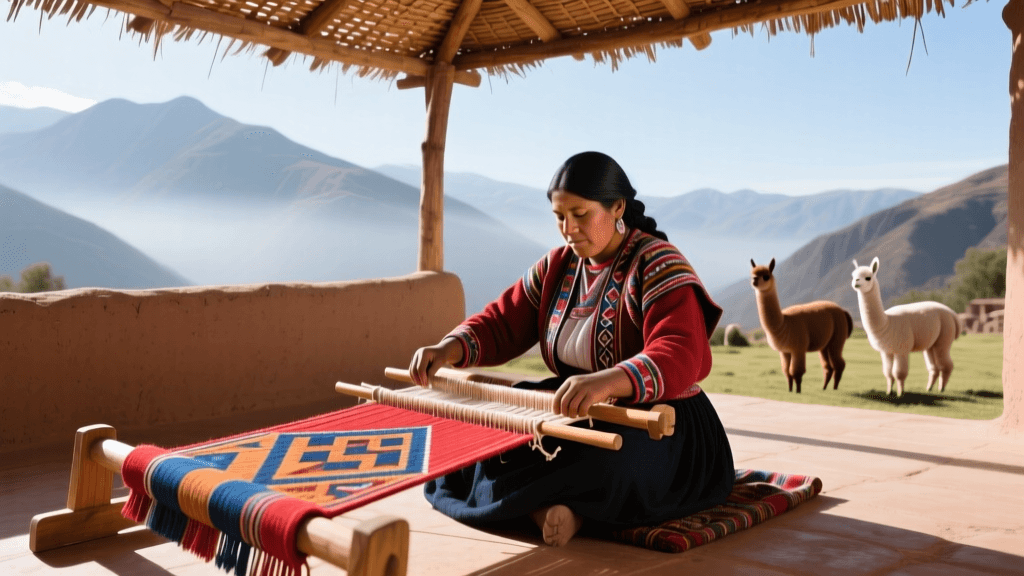
Despite the availability of modern floor looms, the ancestral backstrap loom (telar de cintura) remains the gold standard for high-quality llicllas. The loom consists of a series of wooden sticks and ropes. One end is anchored to a sturdy post or tree, while the other is attached to a strap that wraps around the weaver's lower back. The weaver's body acts as the tensioning device; by leaning forward or backward, she adjusts the warp tension with microscopic precision. This intimate physical connection between the artisan and the textile is why backstrap-woven alpaca garments possess a unique density and drape that machine-woven fabrics cannot replicate.
'When I weave, I am not just making cloth. I am weaving the memory of my ancestors, the mountains that surround us, and the future of my children. Every thread holds a prayer.' — Master Weaver from the CTTC cooperative network.
Natural Dyes: The Cochineal and Botanical Revival
The 2026 textile market has seen a definitive shift away from harsh synthetic aniline dyes, which dominated the late 20th century. Today, premium llicllas are prized for their use of natural, botanically sourced dyes. The revival of these ancient dyeing techniques not only produces richer, more harmonious colors that age beautifully over time, but it also supports local agricultural ecosystems. According to research supported by the Centro de Textiles Tradicionales del Cusco (CTTC), the use of natural dyes is critical for maintaining the ecological balance of high-altitude Andean communities.
| Botanical Source | Primary Color Yield | Mordant / Modifier | Symbolic Meaning |
|---|---|---|---|
| Cochineal (Dactylopius coccus) | Vibrant Red / Deep Purple | Alum (Red), Iron (Purple/Black) | Lifeblood, earth, and vitality |
| Chilca (Baccharis latifolia) | Forest Green | Alum and Copper | Agriculture, growth, and the valleys |
| Q'olle (Buddleja coriacea) | Bright Yellow / Gold | Alum | The sun (Inti), energy, and warmth |
| Indigo (Indigofera suffruticosa) | Deep Blue | Alkaline Fermentation Vat | The night sky, water, and the cosmos |
Ethical Sourcing and the 2026 Market Landscape
As the global appreciation for Indigenous textile arts grows, so does the market for mass-produced, synthetic imitations. In 2026, a genuine, hand-woven, naturally dyed baby alpaca lliclla sourced directly from a weaving cooperative typically ranges from $400 to $850 USD, reflecting the hundreds of hours of labor involved in shearing, spinning, dyeing, and weaving. Conversely, machine-made acrylic replicas sold in tourist markets can be found for under $30. To ensure your purchase supports the continuation of this Intangible Cultural Heritage, buyers must prioritize ethical sourcing.
When shopping for an authentic lliclla, look for certifications or direct partnerships with recognized Indigenous cooperatives. Organizations aligned with the Fair Trade Federation ensure that weavers receive living wages, work in safe conditions, and retain the intellectual property rights to their traditional designs. Buying directly from cooperative galleries in Cusco, or through their verified international fair-trade partners online, guarantees that your investment flows back into the communities that keep these ancestral techniques alive.
Identifying Authentic Alpaca Textiles
To distinguish genuine 2026 alpaca llicllas from synthetic blends, employ these practical tests:
- The Touch Test: Genuine baby alpaca is cool to the touch initially and warms up gradually. Acrylic blends feel immediately warm and slightly plasticky.
- The Luster Check: Natural alpaca fiber has a soft, subtle sheen. Synthetic fibers often have a harsh, artificial glare under direct light.
- The Burn Test (If a sample thread is available): Burnt alpaca smells like burnt hair and turns to a fine, crushable ash. Burnt acrylic smells like chemical plastic and forms a hard, melted bead.
Caring for Your Alpaca Lliclla
An authentic alpaca lliclla is an heirloom piece that can last for generations if cared for properly. Because alpaca fiber is naturally lanolin-free, it is hypoallergenic and highly resistant to odors and stains, meaning it requires far less washing than sheep's wool.
Washing and Storage Guidelines
- Spot Cleaning: For minor spills, gently dab the area with a damp cloth and a mild, pH-neutral baby shampoo. Never rub aggressively, as this will cause the fibers to felt.
- Hand Washing: If a full wash is necessary, submerge the lliclla in cool water (never exceeding 20°C / 68°F) with a specialized wool detergent. Let it soak for 15 minutes, then gently press the water out. Never wring or twist the textile.
- Drying: Roll the damp lliclla in a clean, dry towel to absorb excess moisture. Lay it flat on a mesh drying rack away from direct sunlight, reshaping the pallay bands as it dries.
- Storage: Store your lliclla folded loosely in a breathable cotton bag. Add natural cedar blocks or dried lavender sachets to deter moths. Avoid plastic bins, which can trap moisture and cause mildew.
Conclusion
The Peruvian alpaca lliclla is a masterclass in human ingenuity, environmental harmony, and cultural resilience. As we move through 2026, choosing to invest in authentic, backstrap-woven textiles is a powerful way to participate in the preservation of Indigenous Andean arts. By understanding the profound meaning behind the pallay motifs, respecting the complex chemistry of natural dyes, and committing to ethical, fair-trade sourcing, collectors and fashion enthusiasts alike can honor the master weavers who continue to weave the history of the Andes into every single thread.