Authentic Oaxacan Huipils 2026: Sourcing & Pricing Guide
The Enduring Legacy of the Oaxacan Huipil in 2026
In the vibrant landscape of Latin American traditional garments, few pieces command as much respect and cultural significance as the Oaxacan huipil. As we navigate the textile market in 2026, the global appreciation for Indigenous craftsmanship has reached new heights, bringing both incredible opportunities for artisan communities and a surge in mass-produced imitations. The huipil—a traditional Mesoamerican tunic or dress—is far more than a simple garment; it is a woven codex that communicates the wearer’s community, marital status, and cosmological beliefs. For collectors, cultural enthusiasts, and ethical fashion advocates, understanding the nuances of authentic Oaxacan textile arts is essential. This comprehensive guide will walk you through the anatomy of a genuine huipil, current 2026 market pricing, regional variations, and how to ethically source these masterpieces directly from the artisans who keep the traditions alive.
Anatomy of an Authentic Handwoven Garment
The Backstrap Loom Technique
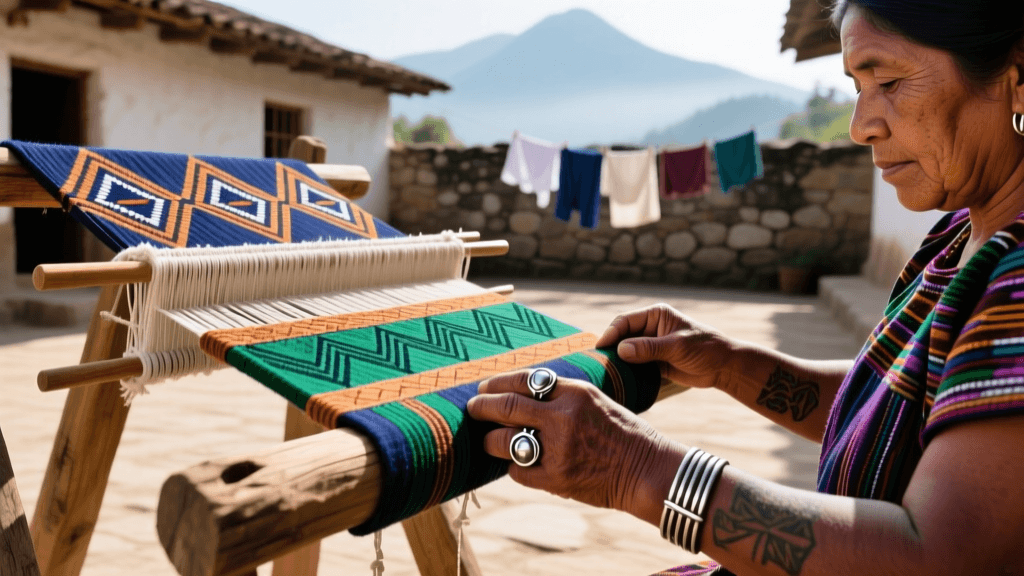
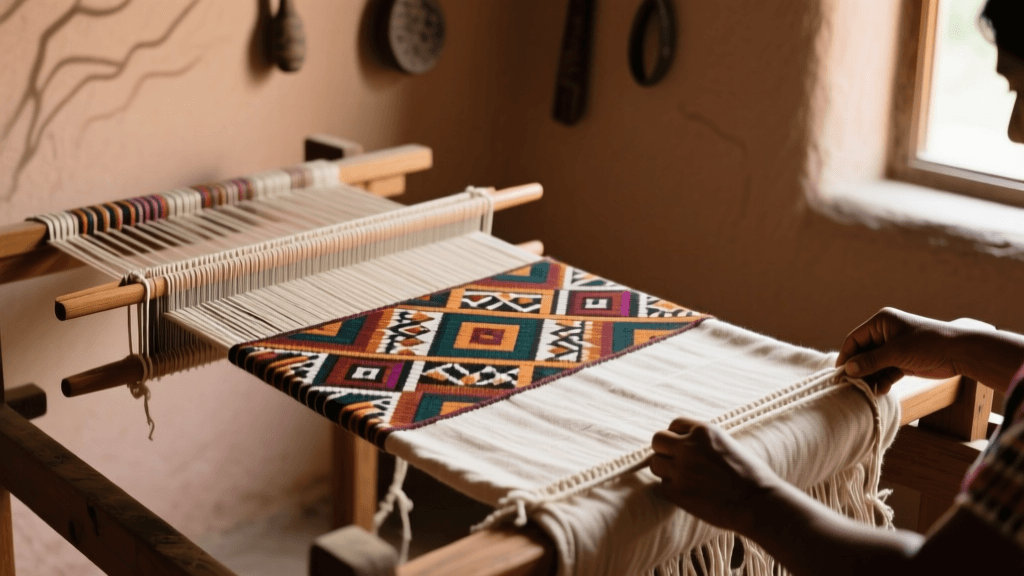
The soul of an authentic Oaxacan huipil lies in its creation on the telar de cintura, or backstrap loom. This pre-Columbian technology relies on the weaver’s body to provide tension to the warp threads. One end of the loom is tied to a sturdy post or tree, while the other is secured around the weaver’s lower back via a belt. This intimate connection between the artisan and the textile allows for incredible control over the tension, resulting in a dense, durable fabric. In 2026, master weavers in Oaxaca continue to use supplementary weft techniques to create intricate brocade patterns that appear embroidered but are actually woven directly into the cloth. A single, heavily brocaded huipil can take anywhere from three to eight months of daily weaving to complete.
Natural Fibers and Dyes
Authenticity is also rooted in the materials. While commercial cotton is common, the most prized huipils utilize algodón coyuche (a native, naturally brown cotton) or crisp white organic cotton. The dyes are equally significant. Artisans affiliated with preservation organizations like Colectivo 1050 champion the use of ancestral, natural dyes. The brilliant reds are derived from cochineal (a scale insect native to the region), deep blues from wild indigo (añil), and rich purples from the secretions of the Purpura pansa sea snail, harvested sustainably along the Oaxacan coast without harming the mollusk.
Regional Variations: A Tapestry of Communities
Oaxaca is home to 16 distinct Indigenous groups, and the huipil styles vary dramatically from village to village. Recognizing these regional markers is a hallmark of a knowledgeable collector in 2026.
- San Bartolo Yautepec: Famous for their ethereal, nearly translucent white cotton huipils. The garments are woven with incredibly fine threads and feature delicate, tone-on-tone white brocade that catches the light, often taking over six months to weave a single piece.
- Santo Tomás Jalieza: Known as the 'Town of Belts,' the weavers here also produce stunning huipils characterized by bold, vibrant magenta, purple, and green geometric motifs woven into a sturdy, slightly heavier cotton base.
- San Juan Colorado: Located on the coast, this Mixtec community is renowned for its use of naturally colored coyuche cotton and the rare, highly regulated Purpura snail dye, resulting in garments with deep earth tones and striking purple accents.
- Santa María Alotepec: Nestled in the Sierra Norte, the huipils here feature dense, dark backgrounds (often deep indigo or black) heavily saturated with bright, multi-colored floral and avian brocade patterns.
2026 Market Pricing: What You Should Expect to Pay
The economics of traditional textiles have shifted significantly. In 2026, fair-trade initiatives and direct-to-consumer cooperative models have helped ensure that a larger percentage of the final sale price reaches the weavers. However, global inflation and the rising cost of organic raw cotton have also influenced baseline prices. When purchasing an authentic, handwoven huipil, you are investing in hundreds of hours of skilled labor. Below is a general pricing guide for authentic Oaxacan huipils in the current market.
| Garment Type & Complexity | Estimated Weaving Time | 2026 Fair-Trade Price Range (USD) | Primary Materials |
|---|---|---|---|
| Everyday Huipil (Simple brocade, commercial cotton) | 3 - 5 Weeks | $120 - $250 | Commercial cotton, synthetic/acrylic threads |
| Fiesta Huipil (Dense brocade, organic cotton) | 2 - 4 Months | $350 - $650 | Organic white cotton, natural/silk threads |
| Masterwork/Ceremonial (Yautepec translucent or heavy natural dye) | 5 - 8 Months | $800 - $1,800+ | Hand-spun cotton, Coyuche, Cochineal, Indigo |
| Wedding Huipil (Heirloom quality, multi-panel) | 8 - 12 Months | $2,000 - $3,500+ | Finest hand-spun cotton, Purpura snail dye |
Note: Prices reflect direct purchases from artisan cooperatives or verified ethical galleries. Buying through third-party luxury boutiques in 2026 can increase these prices by 100% to 300%.
How to Spot Mass-Produced Imitations
As the aesthetic of 'boho-chic' and global folk art remains popular in mainstream fashion, the market has been flooded with machine-made replicas. To protect your investment and respect Indigenous intellectual property, you must know how to identify a fake. First, examine the reverse side of the fabric. On a genuine backstrap-woven brocade, the design is integrated into the cloth; the reverse will show the floating threads of the supplementary weft, often looking somewhat messy or textured. Machine-embroidered imitations will have a uniform, clean backing with visible stabilizer mesh or identical, perfectly uniform stitching. Second, check the selvedge edges. Handwoven panels have natural, slightly uneven selvedges, whereas jacquard loom imitations have perfectly straight, laser-cut, or serged edges. Finally, smell the garment. Authentic natural dyes carry a faint, earthy, or botanical scent, whereas mass-produced textiles often smell of chemical mordants and synthetic sizing.
Ethical Sourcing: Where to Buy in 2026
The most ethical way to purchase a huipil is directly from the source. If you are traveling to Oaxaca in 2026, skip the generic souvenir shops near the Zócalo. Instead, visit the Mercado de Artesanías in Oaxaca City, or better yet, travel to the weaving villages themselves. In Santo Tomás Jalieza, you can visit the Unión de Artesanas cooperative, where you can watch the weavers at work and purchase directly from them, ensuring 100% of the profits support the community. For those sourcing internationally, look for organizations recognized by the UNESCO Intangible Cultural Heritage frameworks or partnerships documented by the Smithsonian Center for Folklife and Cultural Heritage. Online platforms that provide artisan biographies, transparent pricing breakdowns, and direct-shipping from Oaxacan cooperatives are the gold standard for remote purchasing this year.
Proper Care for Handwoven Cotton and Natural Dyes
An authentic huipil is an heirloom piece that can last generations if cared for properly. Natural dyes, particularly cochineal and indigo, are sensitive to harsh chemicals and extreme pH levels. Never dry-clean a handwoven huipil, as the perchloroethylene used in standard dry cleaning will strip the natural oils from the cotton and cause botanical dyes to bleed or fade rapidly. Instead, hand-wash the garment in cold water using a pH-neutral, botanical soap (such as a mild castile soap or specialized textile wash). Gently agitate the water, but never wring or twist the fabric, as this will distort the tension of the handwoven threads. Rinse thoroughly in cold water and press the excess moisture out by rolling the huipil in a clean, dry towel. Always dry the garment flat in the shade; direct sunlight will degrade the natural fibers and bleach the vibrant cochineal reds over time. When storing, fold the huipil with acid-free tissue paper to prevent hard creases, and keep it in a breathable cotton bag away from moisture and pests.
By understanding the profound cultural heritage, the meticulous craftsmanship, and the fair economic value of these garments, collectors and enthusiasts in 2026 can help ensure that the Oaxacan backstrap loom tradition continues to thrive for centuries to come.