Authentic Maya Huipils 2026: Backstrap Loom Weaving
The Enduring Legacy of the Maya Huipil in 2026
The traditional Maya huipil is far more than a simple garment; it is a wearable codex of indigenous identity, cosmology, and ancestral memory. As we navigate the global textile market in 2026, the demand for slow fashion and culturally significant garments has reached an all-time high. However, this surge in popularity has also led to an influx of machine-made imitations that threaten the livelihoods of indigenous weavers. For collectors, cultural enthusiasts, and ethical fashion advocates, understanding the intricate details of Latin American traditional garments is essential. This guide explores the profound artistry of the Guatemalan backstrap loom, how to distinguish authentic handwoven textiles from mass-produced knockoffs, and where to ethically source these masterpieces today.
Anatomy of the Backstrap Loom (Telar de Cintura)
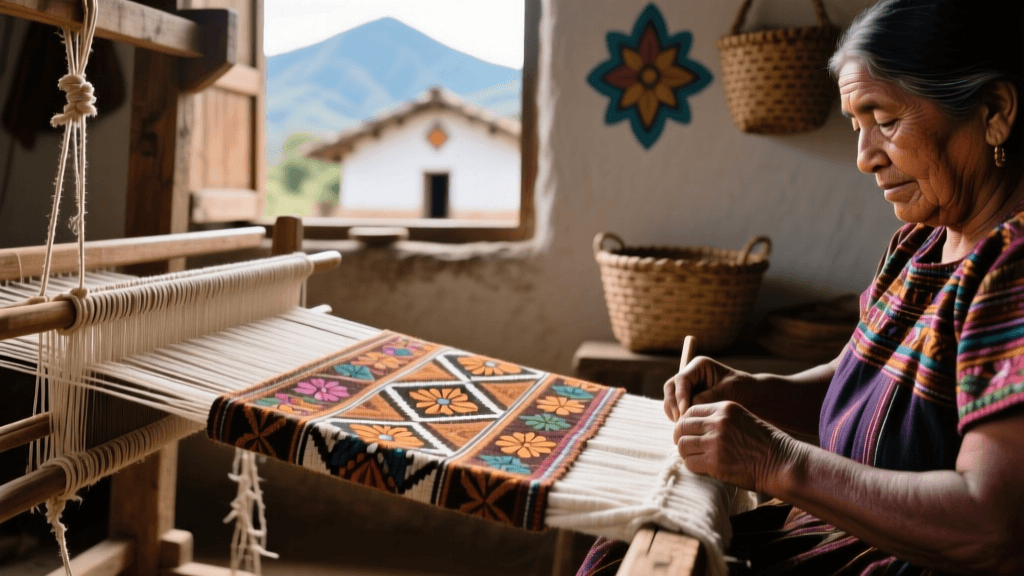
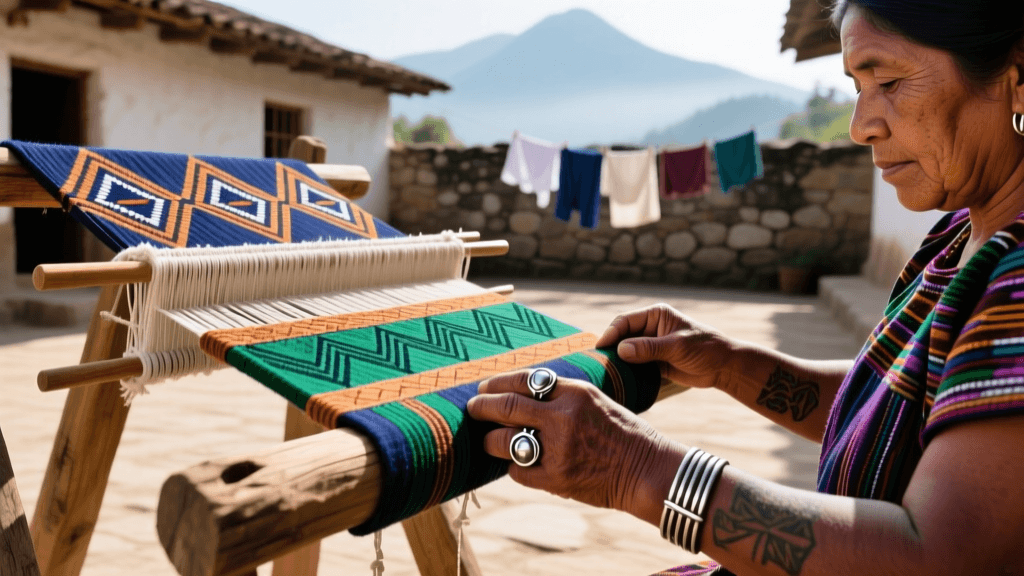
To truly appreciate a Maya huipil, one must understand the tool that creates it. The backstrap loom, or telar de cintura, is a pre-Columbian technology that has remained largely unchanged for millennia. Unlike rigid European pedal looms, the backstrap loom is intimately connected to the weaver's body. One end of the warp (the longitudinal threads) is tied to a stationary object, such as a tree or a wooden post, while the other end is attached to a belt that wraps around the weaver's lower back.
The weaver's body provides the tension. By leaning forward or backward, she adjusts the tightness of the warp threads, allowing the shed (the space between threads) to open and close for the weft to pass through. This deeply physical process means that every authentic huipil carries the literal rhythm and physical imprint of its creator. According to the Ixchel Museum of Indigenous Textiles and Clothing, the backstrap loom is not merely a tool but a sacred instrument that connects the Maya woman to Ixchel, the goddess of weaving and the moon.
Supplementary Weft Brocade
The most striking feature of a high-quality huipil is its brocade. Unlike embroidery, which is stitched onto a finished piece of fabric, traditional Maya brocade is woven directly into the textile using a supplementary weft technique. As the weaver creates the base cloth, she simultaneously introduces thicker, brightly colored threads to form intricate geometric, floral, or zoomorphic motifs. In 2026, master weavers from regions like San Juan la Laguna and Chichicastenango continue to use this technique, creating double-sided textiles where the pattern is nearly as vibrant on the inside as it is on the outside.
Authentic Handwoven vs. Machine-Made: A 2026 Buyer's Guide
Distinguishing between a genuine backstrap-woven huipil and a machine-made or pedal-loom imitation requires a trained eye. Below is a comprehensive comparison chart to help you evaluate textiles in the current market.
| Feature | Authentic Backstrap Loom (Handwoven) | Machine / Pedal Loom Imitation |
|---|---|---|
| Selvedge Edges | Finished naturally on the loom; no raw cut edges or hemming required on the sides. | Cut from large rolls of fabric; edges are serged, hemmed, or prone to fraying. |
| Brocade Integration | Woven into the fabric (supplementary weft); feels thick and integrated. | Often embroidered on top of the fabric or printed; you can see loose threads on the back. |
| Panel Construction | Woven in narrow panels (usually 2 or 3) and joined with decorative hand-stitched seams (randa). | Woven as a single wide piece of fabric and cut to shape. |
| Tension Variations | Slight, natural variations in thread tension; small imperfections prove human craftsmanship. | Perfectly uniform thread tension and flawless, repetitive symmetry. |
| 2026 Market Price | $150 - $800+ USD (depending on complexity and natural dyes). | $25 - $75 USD (often sold as 'boutique' ethnic wear). |
| Production Time | 1 to 4 months of daily weaving. | A few hours. |
The Revival of Natural Dyes: Cochineal and Indigo
In 2026, the most coveted huipils are those dyed with natural, organic materials. The chemical dye boom of the late 20th century temporarily overshadowed traditional dyeing, but a massive resurgence in eco-conscious textile arts has brought ancestral chemistry back to the forefront.
Cochineal (Carmine Red)
Cochineal is a parasitic insect (Dactylopius coccus) that lives on the nopal cactus. When dried and ground, it produces a brilliant carminic acid. By altering the pH of the dye bath—adding lime juice to shift the color to vibrant orange, or wood ash to push it toward deep purple—artisans create a stunning spectrum of reds and pinks. A huipil dyed with genuine cochineal will have a rich, multi-dimensional hue that synthetic reds simply cannot replicate.
Indigo and Sacatinta
Natural indigo, derived from the Indigofera plant, requires a complex fermentation process to yield its iconic deep blues. Meanwhile, sacatinta (a local plant) is used to achieve rich, earthy browns and blacks. Cooperatives like Trama Textiles have been instrumental in preserving these natural dyeing techniques, ensuring that the knowledge is passed down to younger generations while meeting the high standards of the modern global market.
Ethical Sourcing: Where to Buy Authentic Huipils
The commercialization of indigenous patterns has led to widespread cultural appropriation, with fast-fashion brands frequently stealing Maya designs without compensation. As a responsible buyer in 2026, it is vital to purchase directly from indigenous cooperatives or certified fair-trade organizations. Organizations like Cultural Survival actively advocate for the intellectual property rights of indigenous artisans, emphasizing that fair compensation is a matter of human rights and cultural preservation.
Recommended Ethical Cooperatives
- Trama Textiles: A women-led cooperative based in Quetzaltenango that connects hundreds of backstrap weavers across the highlands directly with international buyers, ensuring 100% of the profits support the weavers' communities.
- Casa Flor Ixcaco: Located in San Juan la Laguna, this cooperative specializes exclusively in natural dyes and organic cotton, offering some of the most environmentally sustainable textiles in Latin America.
- Maya Traditions Foundation: A non-profit that pairs traditional weavers with global markets while providing health and education scholarships to the artisans' families.
When purchasing, always ask for the specific name of the weaver and her village. Authentic sellers will proudly provide this provenance, whereas mass-market vendors will not.
Caring for Your Handwoven Garments
A handwoven huipil is an investment piece that can last for generations if properly maintained. Because many modern pieces use natural dyes and hand-spun cotton, they require specialized care.
- Washing: Never machine wash a backstrap-woven textile. Hand wash the garment in cold water using a pH-neutral detergent or traditional amole (a natural soap derived from the agave plant). Avoid harsh detergents, which will strip cochineal and indigo dyes.
- Drying: Do not wring the fabric, as this can distort the warp tension. Instead, lay the wet huipil flat on a clean, dry towel, roll the towel up like a sleeping bag to gently press out the moisture, and then lay the garment flat in the shade. Never dry authentic natural-dyed textiles in direct sunlight, as UV rays will rapidly fade organic pigments.
- Storage: Store your huipils folded in a cool, dry place. Place acid-free tissue paper between the folds to prevent deep creases from breaking the cotton fibers over time. Cedar blocks are recommended to deter moths without introducing chemical odors into the porous cotton.
Conclusion
The Maya huipil remains one of the most sophisticated and culturally rich garments in the Americas. By understanding the mechanics of the backstrap loom, recognizing the hallmarks of authentic brocade, and committing to ethical sourcing, you help preserve a living textile tradition. In 2026, wearing and collecting these garments is not just an appreciation of Latin American textile arts; it is an active participation in the survival and empowerment of indigenous communities.