Authentic Guatemalan Huipil Brocade: 2026 Sourcing Guide
The Living Codex: Understanding the Guatemalan Huipil
The Guatemalan huipil (pronounced wee-peel) is far more than a traditional garment; it is a wearable manuscript that records the history, cosmology, and identity of the Maya people. As we navigate the global textile market in 2026, the demand for authentic Latin American traditional garments has reached unprecedented heights. However, this surge in popularity brings a critical responsibility to collectors, designers, and enthusiasts: the imperative to distinguish between genuine, handwoven masterpieces and mass-produced imitations. This comprehensive 2026 guide delves into the intricate brocade techniques of the Mayan backstrap loom, decodes regional motifs, and provides actionable advice for ethical sourcing.
Backstrap Loom Weaving and the Magic of Brocade
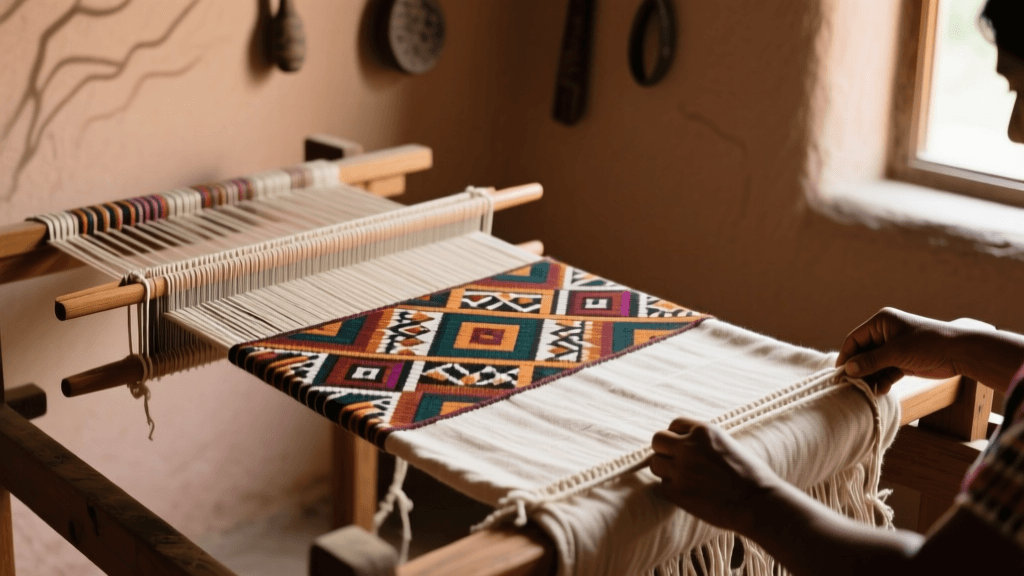
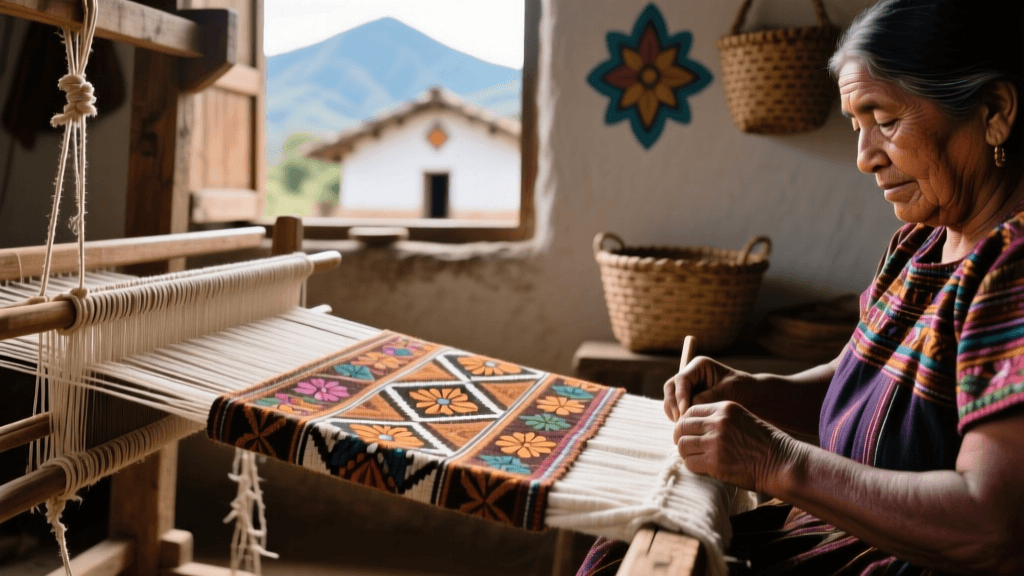
Unlike Western floor looms, the traditional Mesoamerican backstrap loom (telar de cintura) is an extension of the weaver’s own body. The tension of the warp threads is controlled by the weaver leaning forward or backward, allowing for an intimate, rhythmic connection between the artisan and the textile. The hallmark of a high-quality ceremonial huipil is the brocado (supplementary weft) technique.
Brocade vs. Embroidery: A Crucial Distinction
Many uninitiated buyers in 2026 mistakenly refer to huipil patterns as "embroidery." True Mayan brocade is woven directly into the fabric on the loom. As the weaver passes the primary weft thread, she simultaneously introduces thicker, colorful supplementary threads to build raised, intricate geometric and zoomorphic patterns. This process is exponentially more time-consuming and structurally sound than surface embroidery.
- Single-Face Brocade: The pattern is visible only on the front of the garment, while the back shows loose, floating threads. This is common in everyday wear.
- Double-Face Brocade: The pattern is perfectly mirrored on both sides of the textile. This requires master-level skill and is reserved for ceremonial huipiles and high-end collector pieces.
Materials Evolution: Navigating Fibers in 2026
The materials used in huipil weaving have undergone significant shifts over the decades. While the mid-20th century saw an influx of cheap, synthetic acrylic yarns that threatened the tactile quality of the garments, 2026 marks a massive renaissance in natural and sustainable fibers. Artisan cooperatives are increasingly returning to organic Pima cotton and locally spun silk threads. Furthermore, there is a dedicated movement to revive natural dye sources, such as cochineal (for vibrant reds and purples), añil (indigo for deep blues), and sacatinta (for rich blacks). When sourcing today, asking the vendor about the specific fiber content and dye origins is a hallmark of a respectful and educated buyer.
The Ikat Tradition: Jaspe Warp Threads
Before the weaving even begins, the warp threads often undergo jaspe (the Latin American term for ikat). Artisans tightly bind sections of the cotton or silk warp threads with string before immersing them in dye baths. When unwound, the un-dyed sections create a blurred, feathered pattern that serves as the background canvas for the brocade. In 2026, cooperatives in regions like Totonicapán and Quetzaltenango are mastering complex, multi-layered jaspe techniques to meet the demands of eco-conscious global buyers who value the intersection of indigenous heritage and sustainable fashion.
Decoding Regional Motifs: A 2026 Collector's Matrix
Every municipality in Guatemala possesses a distinct textile dialect. The motifs woven into a huipil communicate the wearer’s village, social status, and spiritual beliefs. Below is a comparative matrix of three highly sought-after regional styles in the current 2026 market.
| Region | Primary Motifs | Dominant Colors | 2026 Authentic Market Price (USD) |
|---|---|---|---|
| Chichicastenango | Sunflowers, geometric stars, protective diamonds | Deep crimson, vibrant yellow, forest green | $180 - $350 |
| San Juan Cotzal | Coffee plants, birds, intricate geometric boxes | Earth tones, subtle brick reds, natural cotton | $250 - $450 |
| Nahualá | Large zoomorphic figures (eagles, jaguars), stars | Navy blue, stark white, bright magenta | $200 - $400 |
Identifying Machine-Made Fakes
As the aesthetic of indigenous textiles has been co-opted by global fast-fashion brands, the market is flooded with machine-made replicas. To protect your investment and respect the culture, you must know how to spot a fake:
- The Selvedge Edge: Authentic backstrap-woven fabric has a natural selvedge (finished edge) created by the continuous turning of the warp. Machine-made fabrics will have cut edges that are serged or hemmed.
- Flawless Symmetry: Handwoven brocade will feature microscopic irregularities and slight variations in tension. If the pattern is mathematically perfect and identical down to the millimeter, it was produced by a computerized jacquard loom.
- The Weight and Drape: Genuine huipiles, particularly those with double-face brocade, are remarkably heavy and stiff due to the density of the supplementary weft threads. Fakes are typically lightweight and flimsy.
Ethical Sourcing and Avoiding Cultural Appropriation
The commercialization of Indigenous textiles has led to widespread exploitation and plagiarism. Major fashion conglomerates have repeatedly attempted to mass-produce Maya designs without compensation. To combat this, organizations like Cultural Survival actively advocate for the intellectual property rights of Indigenous artisans, emphasizing that traditional designs are collective heritage, not public domain fodder for corporate exploitation.
How to Source Ethically in 2026
When purchasing a huipil, provenance is paramount. The Ixchel Museum of Indigenous Textiles and Clothing in Guatemala City remains the premier authority on the preservation and authentic classification of these garments. Aligning your purchases with Fair Trade principles is non-negotiable for the conscious collector.
- Bypass Middlemen: Seek out verified women’s weaving cooperatives. Organizations that adhere to the standards set by the Fair Trade Federation ensure that the weavers receive a living wage and retain ownership of their cultural narratives.
- Understand the Pricing Reality: A genuine, handwoven ceremonial huipil requires 400 to 800 hours of labor. If a vendor is offering a "handwoven" huipil for $40 in 2026, it is either machine-made, woven with cheap acrylics under exploitative conditions, or a stolen vintage piece. Pay the true cost of the labor.
- Request Provenance: Reputable dealers will provide the name of the weaver, her specific village, and the materials used (e.g., hand-spun cotton, silk, or high-grade mercerized cotton).
"When you buy a huipil directly from a cooperative, you are not just buying a piece of cloth; you are funding the education of a weaver's children and ensuring the survival of a millennia-old language of threads." — Artisan collective mandate, 2026.
Preservation and Care for Handwoven Textiles
Authentic huipiles are investment pieces that can last for generations if properly maintained. The structural integrity of the supplementary weft requires specific care protocols.
- Washing: Never machine wash a handwoven huipil. Submerge the garment in cool water with a pH-neutral, non-enzymatic textile soap. Gently agitate for no more than five minutes.
- Drying: Do not wring the fabric, as this will distort the warp tension. Roll the huipil in a clean, dry towel to press out excess moisture, then lay it flat on a drying rack in the shade. Direct sunlight will rapidly degrade both natural and synthetic dyes.
- Storage: Store the garment flat in a breathable cotton pillowcase or archival tissue paper. Avoid wire hangers, which will stretch the heavy brocade panels and cause irreversible shoulder distortion.
Conclusion: Honoring the Thread
The Guatemalan huipil stands as a testament to the resilience and ingenuity of Maya women. As the textile community moves through 2026, the shift toward radical transparency and ethical sourcing is not just a trend—it is a moral obligation. By understanding the profound technical mastery of the backstrap loom, respecting the sacred geometry of regional motifs, and investing directly in Indigenous cooperatives, collectors and enthusiasts can help preserve this magnificent Latin American textile art for centuries to come.