2026 Jingle Dress Regalia: Material Sourcing & Layout Guide
The Healing Origins of the Jingle Dress
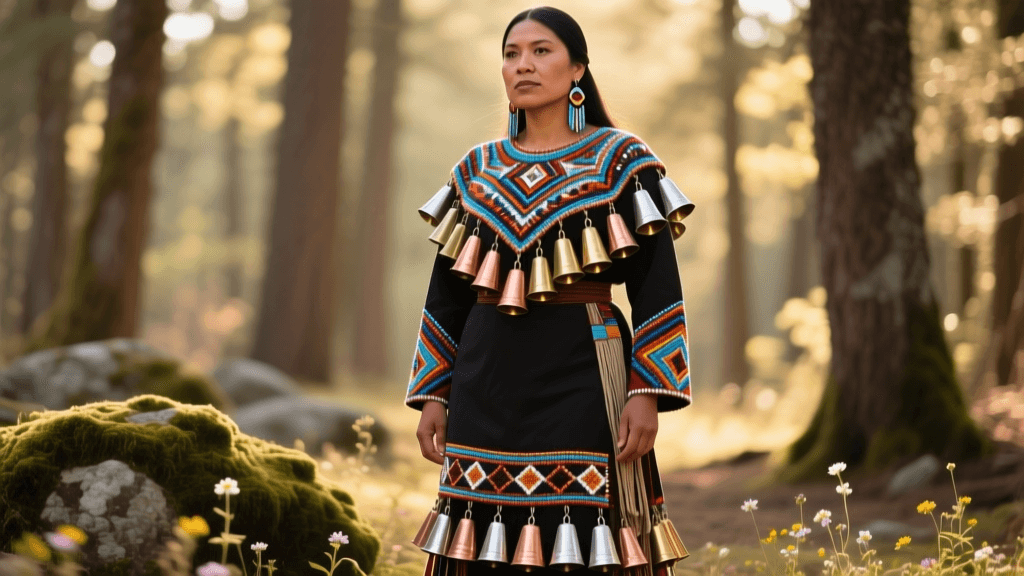
The Jingle Dress, known in the Ojibwe language as the Ziibaaska'igan, is far more than a beautiful garment; it is a sacred vessel of healing, prayer, and cultural resilience. Originating in the early 20th century among the Ojibwe (Anishinaabe) people of the Great Lakes region—specifically tied to the White Earth Nation and the Mille Lacs Band—the dress was born from a vision of healing during a time of severe global illness. Today, the Jingle Dress dance is a staple at powwows across North America, recognized for its distinctive, rhythmic sound that mimics the patter of rain on a tin roof. As we navigate the crafting landscape in 2026, the creation of Jingle Dress regalia remains a meticulous process that honors these deep-rooted traditions while adapting to modern material availability.
According to cultural archives maintained by the Minnesota Historical Society's Ojibwe cultural resources, the original dresses were adorned with rolled tin cones made from snuff can lids. Today, while the materials have evolved for durability and acoustic perfection, the spiritual intent remains unchanged. For artisans, dancers, and families crafting new regalia in 2026, understanding the precise sourcing, mathematics, and assembly of the dress is paramount to creating a garment that moves, sounds, and heals correctly.
Sourcing Authentic Metal Cones in 2026
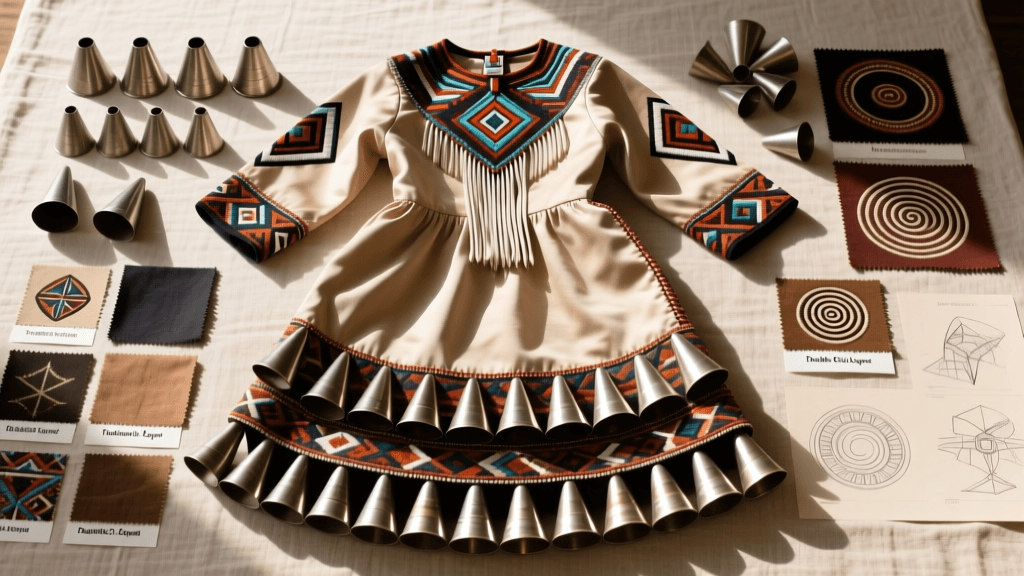
The soul of the Jingle Dress lies in its cones, or 'jingles.' The acoustic resonance of the dress depends entirely on the metal's thickness, the tightness of the roll, and the length of the cone. In 2026, the supply chain for traditional regalia materials has seen a shift. While global metal fluctuations have impacted the cost of raw brass and tin, Native-owned beadwork and regalia supply shops across Oklahoma, the Dakotas, and the Great Lakes have stabilized their inventories through localized manufacturing cooperatives.
When sourcing cones in 2026, you will generally encounter three primary types:
- Traditional Rolled Tin: Lightweight and produces a high-pitched, crisp 'rain' sound. These are favored by traditional dancers who prefer a softer, more rhythmic acoustic profile. Expect to pay between $0.18 and $0.25 per cone in 2026.
- Heavy-Gauge Brass: Heavier and more durable, brass cones produce a deeper, resonant chime. They are highly popular for contemporary and competitive fancy jingle dancers who need the sound to carry over large, noisy powwow arenas. Pricing has risen to approximately $0.30 to $0.45 per cone due to 2026 brass market conditions.
- Copper and Alloy Blends: A growing trend in 2026 is the use of treated copper alloys that resist tarnishing while offering a warm, mid-tone acoustic signature. These are often custom-rolled by specialized Native artisans.
It is highly recommended to purchase cones directly from Indigenous suppliers or verified powwow vendors. Mass-produced craft store cones often lack the proper taper and structural integrity, resulting in a dull 'clank' rather than the sacred, shimmering cascade of sound required for the dance. Resources like Powwows.com frequently maintain updated directories of trusted, Native-owned regalia suppliers who ship authentic, hand-rolled or precision-stamped cones nationwide.
Fabric Selection and Ribbon Appliqué
The base fabric of a Jingle Dress must be heavy enough to support the immense weight of hundreds of metal cones without tearing, yet fluid enough to allow the dancer's footwork to create the signature undulating wave of the skirt. In 2026, cotton-polyester broadcloth remains the gold standard. It offers the breathability of cotton with the tensile strength and wrinkle-resistance of polyester. A high-quality, 60-inch wide broadcloth typically costs between $12 and $18 per yard this year.
Calico is also widely used, particularly for the yoke and sleeves, featuring the vibrant, large-scale floral prints that pay homage to historical trade fabrics. When selecting calico, ensure the thread count is high; cheap calico will degrade quickly under the stress of competitive dancing.
Ribbon appliqué is the primary decorative element on the dress's yoke, hem, and sleeves. The 2026 trend in Prairie and Woodland regalia heavily favors intricate, multi-layered reverse appliqué using double-faced satin or grosgrain ribbons. For a standard adult dress, you will need approximately 40 to 60 yards of 1-inch ribbon for decorative borders, and an additional 100+ yards of 1/2-inch or 3/4-inch grosgrain ribbon specifically for tying the cones to the dress.
The Mathematics of Cone Layout and Spacing
One of the most common mistakes made by novice regalia makers is improper cone spacing. If cones are placed too closely, they tangle and muffle each other's sound. If placed too far apart, the dress loses its visual cohesion and the 'rain' effect is diminished. The standard layout utilizes a staggered grid pattern. Cones are typically spaced 1.5 to 2 inches apart horizontally, with rows spaced 2 inches apart vertically. Each subsequent row is offset by half the horizontal spacing to allow the cones to fall freely and strike one another in a cascading sequence.
The total number of cones required depends on the dancer's height, the desired fullness of the skirt, and the length of the dress. While traditional teachings sometimes reference specific sacred numbers of cones (such as 365 for the days of the year, or 108 in some regional variations), modern competitive dresses often prioritize acoustic density. Below is a 2026 reference chart for standard dress sizing and cone requirements:
| Dress Size / Category | Skirt Circumference | Estimated Base Row Cones | Total Cones Required | Broadcloth Yardage (60") |
|---|---|---|---|---|
| Youth (Ages 6-10) | 45 - 55 inches | 25 - 30 | 250 - 350 | 3.5 - 4.5 yards |
| Teen (Ages 11-15) | 55 - 65 inches | 30 - 35 | 400 - 550 | 5.0 - 6.5 yards |
| Adult Small / Medium | 65 - 75 inches | 35 - 42 | 600 - 750 | 7.0 - 8.5 yards |
| Adult Large / Plus | 75 - 90 inches | 42 - 50 | 800 - 1,000+ | 9.0 - 11.0 yards |
Step-by-Step Assembly and Tying Techniques
Attaching the cones is a labor of love that requires patience, strong hands, and the right tools. Never sew the metal cones directly to the fabric, as the friction and weight will quickly shred the threads and ruin the broadcloth. Instead, each cone is tied to a loop of grosgrain ribbon, which is then sewn securely to the dress.
Step 1: Preparing the Cone Loops. Cut your 1/2-inch grosgrain ribbon into 4-inch lengths. Fold the ribbon in half, creating a 2-inch loop. Thread the ends of the ribbon through the top hole of the metal cone. Pull the ribbon ends through the loop and tighten, creating a secure lark's head knot around the cone's neck.
Step 2: Marking the Grid. Using a fabric-safe chalk pencil and a clear quilting ruler, mark your staggered grid on the fully assembled skirt. Ensure the dress is hanging on a dress form or mannequin that matches the dancer's exact height and hip measurements; marking a flat dress on a table will result in distorted spacing when worn.
Step 3: Sewing the Loops. Using a heavy-duty upholstery thread (such as bonded nylon) and a leather or denim needle, sew the ribbon ends flat against the fabric at your chalk marks. A backstitch or a reinforced zigzag stitch on a heavy-duty sewing machine is recommended. For competitive dancers who perform aggressive footwork, many artisans in 2026 are adding a small drop of flexible fabric glue to the base of the ribbon knot to prevent fraying over the course of a long powwow season.
Care, Maintenance, and Rust Prevention
A completed Jingle Dress is a heavy, valuable investment of both money and time. Proper storage is critical, especially for dancers traveling across varying climates during the summer powwow circuit. The primary enemy of metal cones is humidity, which can cause tin and copper to oxidize and brass to tarnish, eventually leading to structural weakness and a dull sound.
After every wear, the dress should be hung in a well-ventilated area to allow sweat and ambient moisture to evaporate. Never store a Jingle Dress in a plastic dry-cleaning bag or a sealed plastic bin, as this traps moisture and accelerates rust. Instead, use a breathable canvas or cotton garment bag. In 2026, many regalia makers include silica gel desiccant packets and anti-tarnish paper strips inside the storage bags to actively absorb moisture and neutralize corrosive gases in the air.
If cones do begin to tarnish, remove them from the dress before polishing. Tumbling brass cones in a rotary tumbler with stainless steel shot and a mild jewelry-cleaning solution is the most efficient way to restore their shine and acoustic brightness without damaging the fabric or ribbons. By respecting the materials, the mathematics of the layout, and the sacred history of the Ziibaaska'igan, artisans ensure that the healing song of the Jingle Dress continues to resonate powerfully across Indian Country for generations to come.