Mormon Temple Garments in 2026: Meaning, Styles & Care Guide
Understanding Mormon Temple Garments: Meaning and Purpose
For members of The Church of Jesus Christ of Latter-day Saints (often referred to as Mormons), temple garments are far more than simple undergarments. They are sacred items of religious clothing that serve as a constant, personal reminder of the covenants made with God during the temple endowment ordinance. While the term "Mormon garments" is widely used in popular culture and search engines, within the faith, they are respectfully referred to as "temple garments" or "garments of the holy priesthood."
The primary purpose of the garment is spiritual rather than physical. It acts as a shield against temptation and a reminder of the wearer's commitment to live a righteous life. According to the Church's General Handbook, the garment represents the sacred covenants made in the temple and should be worn throughout the life of an endowed member. It is a deeply private expression of faith, not intended for public display, and is treated with the utmost reverence by those who wear it.
2026 Styles, Materials, and Innovations
Over the decades, the design of temple garments has evolved significantly to accommodate modern lifestyles, diverse climates, and varying physical needs. As of 2026, the Church Distribution catalog offers a wide array of styles that prioritize both modesty and everyday comfort. The days of the restrictive, one-piece "union suit" styles of the 19th and early 20th centuries are long gone, replaced by modular, two-piece designs that resemble standard high-quality undershirts and underwear.
In 2026, members can choose from several specialized fabrics designed for different activities and climates. The introduction of advanced moisture-wicking meshes and sustainable stretch-cotton blends has made wearing garments in hot climates or during athletic activities much more comfortable. Furthermore, the 2026 lineup includes specialized cuts for women, such as cap-sleeve tops, camisole styles with built-in modesty panels, and maternity-friendly cuts that accommodate a growing belly without sacrificing the required coverage.
2026 Garment Fabric and Style Comparison
| Fabric / Style | Best Use Case | Key Features (2026 Lineup) | Approx. Price (Top/Bottom) |
|---|---|---|---|
| Stretch Cotton | Everyday wear, office, casual | Soft, breathable, retains shape, durable | $13.00 / $13.00 |
| Cool Mesh | Hot climates, summer, athletics | Moisture-wicking, lightweight, quick-dry | $15.00 / $14.00 |
| Modesty Panel (Women's) | Low-cut outerwear, formal dresses | Extra chest coverage, seamless edges | $16.00 / N/A |
| Athletic / Performance | Gym, running, high-movement | Anti-chafe seams, compression fit | $17.00 / $16.00 |
| Military / Tactical | Active duty service members | Flame-resistant options, coyote brown | Subsidized / Varies |
How to Purchase and Measure for the Perfect Fit
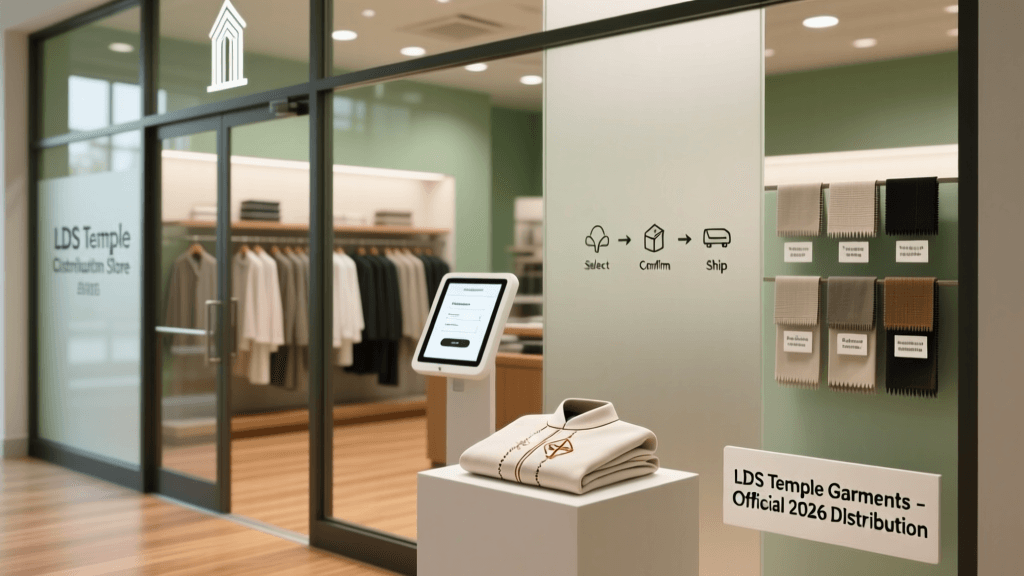
Temple garments are not sold in commercial retail stores or standard e-commerce platforms. They are exclusively available through the Church's official Distribution Services, either online or at physical distribution centers located near temples and major chapels worldwide. To purchase garments, an individual must have an active Church account linked to a valid temple recommend, ensuring that only endowed members or those preparing for the temple can acquire them.
Getting the right fit is crucial for both comfort and adherence to the standards of wear. In 2026, the Church's online portal features an updated, highly accurate digital sizing calculator. However, taking manual measurements remains the most reliable method:
- Chest/Bust: Measure around the fullest part of the chest, keeping the tape measure level.
- Waist: Measure around the natural waistline (usually just above the belly button).
- Hips: Measure around the fullest part of the hips and buttocks.
- Inseam (for bottoms): Measure from the crotch seam down to where you want the hem to sit. Garment bottoms must extend to at least the mid-thigh to ensure proper coverage when sitting or bending.
Pro Tip for 2026: If you are between sizes, the Church Distribution guidelines generally recommend sizing up for woven cotton to prevent shrinkage, but staying true to size for the newer stretch-blend and mesh materials, which are designed to hug the body without restricting movement.
Daily Traditions and Rules of Wear
The tradition of wearing the garment is governed by specific guidelines outlined by Church leadership. Endowed members covenant to wear the garment both day and night throughout their lives. It is worn as the innermost layer of clothing, directly against the skin, with outer clothing worn over it. This practice ensures that the sacred marks on the garment remain private and that the garment serves its intended symbolic purpose.
There are practical exceptions to the rule of continuous wear. Members are instructed to remove their garments for activities where they would likely become wet, soiled, or damaged. These exceptions include:
- Bathing and showering.
- Swimming or participating in water sports.
- Intimate relations with a spouse.
- Participating in contact sports or rigorous athletic events where the garment might be torn or excessively sweat-soaked (though many members now use the 2026 athletic mesh line to keep them on during workouts).
When removed for these activities, members are encouraged to put the garment back on as soon as practical. The garment should never be altered, dyed, or modified in a way that changes its sacred markings or reduces its modest coverage.
Washing, Care, and Respectful Disposal
Caring for temple garments requires the same practical laundry habits as any high-quality undergarment, but with an added layer of mindfulness regarding their sacred nature.
Washing and Drying
Most 2026 garment styles are machine washable. It is recommended to wash them in cold or warm water with a mild detergent to preserve the elasticity of the spandex blends and the integrity of the cotton fibers. Avoid using bleach, as it can degrade the fabric and fade the sacred marks. When drying, tumble drying on a low heat setting is preferred. High heat can cause severe shrinkage in cotton styles and can melt or warp the synthetic fibers in the mesh and athletic styles.
Respectful Disposal
When a garment becomes worn out, stretched beyond repair, or stained, it must be disposed of respectfully. Members are strictly instructed never to donate intact garments to thrift stores, charities, or clothing bins, as this exposes sacred items to the general public and violates the sanctity of the covenants they represent.
The proper disposal method involves cutting out the sacred marks (the embroidered or woven symbols located on the left breast, right navel, and right knee areas). Once the marks are removed and destroyed (cut into small, unrecognizable pieces), the remaining fabric can be thrown away in the regular household trash or repurposed as household cleaning rags. The packaging and tags from new garments should also be discarded in the trash, never left in public spaces.
Summary
As of 2026, the traditions surrounding Mormon temple garments remain a cornerstone of spiritual life for millions of Latter-day Saints. While the fabrics and cuts have modernized to meet the demands of contemporary life—from moisture-wicking meshes to maternity-friendly designs—the core purpose remains unchanged. They are a quiet, deeply personal armor of faith, connecting the wearer to their religious covenants every single day. By understanding the proper fit, care, and respectful handling of these garments, members can ensure they honor their spiritual commitments while navigating the practicalities of the modern world.