LDS Temple Garment Styles & Materials: 2026 Modern Updates

The Sacred Purpose and Historical Context
For members of The Church of Jesus Christ of Latter-day Saints, the temple garment is a deeply sacred item of clothing. Often referred to in mainstream culture as Mormon temple garments or LDS garments, these underclothes serve as a constant, personal reminder of the covenants made during the temple endowment ordinance. Unlike fashion-driven apparel, the primary purpose of the garment is spiritual, providing a shield and a protection to the wearer. According to the Church's official teachings on temples and sacred ordinances, the garment represents the wearer's commitment to live a righteous life and follow the teachings of Jesus Christ.
Historically, the design of the garment has evolved to meet the practical needs of a growing, global membership. In the 1840s in Nauvoo, Illinois, early garments were one-piece union suits that extended to the wrists and ankles, reflecting the modesty standards and textile limitations of the 19th century. By the 1920s and 1930s, the Church authorized the transition to the modern two-piece style (a separate top and bottom) with shorter sleeves and legs, accommodating the changing styles of outerwear and the physical demands of modern labor and military service. Today, as we navigate 2026, the Church's Distribution Services continues to refine garment materials, ensuring they are accessible, comfortable, and suitable for diverse climates and lifestyles worldwide.
2026 Fabric Innovations and Material Options
In 2026, the focus on sustainable textile sourcing, advanced moisture-management, and sensory-friendly designs has significantly expanded the options available to Church members. The days of a single, heavy cotton option are long gone. Today, members can choose from a highly specialized catalog of fabrics designed for specific environments and personal needs.
Classic Cotton and Cotton-Poly Blends
The traditional 100% cotton garment remains a staple for those who prefer natural fibers and live in temperate climates. However, the 2026 cotton lines have been updated with ring-spun, pre-shrunk techniques that drastically reduce the shrinkage and collar warping that plagued older generations. For those seeking a bit more durability and shape retention, the cotton-polyester blend remains the most popular everyday choice, offering a balance of breathability and structural integrity.
Performance Mesh and Cooling Synthetics
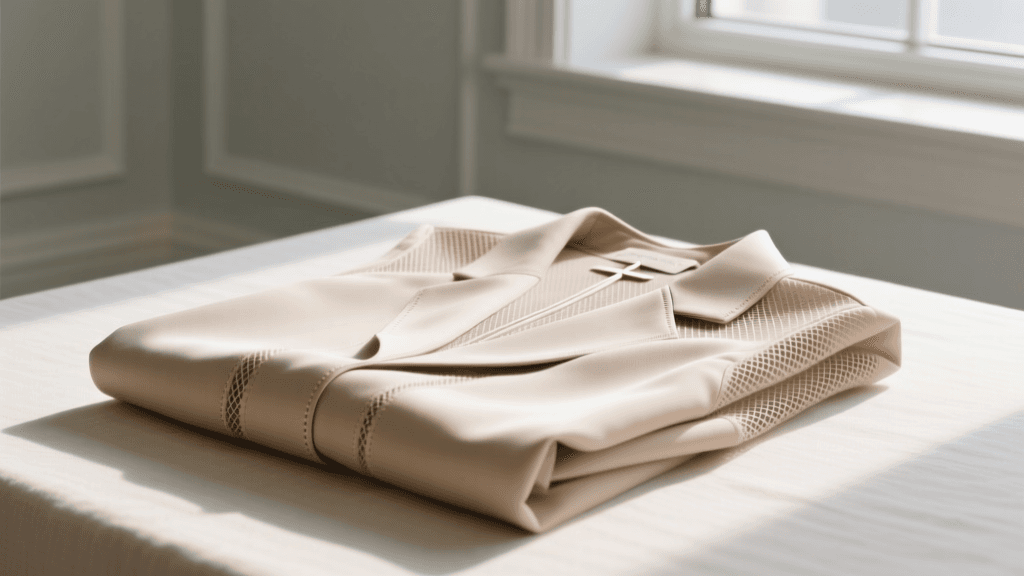
For members living in tropical climates, high-humidity regions, or those with highly active lifestyles, the Performance Mesh line is a revelation. Utilizing advanced microfiber synthetic blends, these garments wick moisture away from the skin and promote rapid evaporation. In 2026, the Church introduced an updated 'Ultra-Cool' weave that is 15% lighter than previous iterations, featuring laser-cut ventilation zones that remain entirely invisible beneath outer clothing.
Modal and Bamboo-Derived Viscose
One of the most highly anticipated updates in recent years is the widespread availability of Modal and bamboo-derived viscose garments. These semi-synthetic fabrics are celebrated for their silk-like softness, exceptional drape, and natural temperature-regulating properties. The 2026 Modal line is particularly favored by women and individuals with sensory processing sensitivities, as the fabric eliminates the friction and stiffness associated with traditional cotton. Furthermore, the bamboo viscose options introduced this year highlight the Church's commitment to utilizing rapidly renewable, eco-friendly textile sources.
Adaptive and Sensory-Friendly Designs
In a major push for inclusivity, the 2026 catalog features expanded adaptive wear. This includes garments with magnetic closures, side-openings for individuals with limited mobility, and tagless, flat-seam constructions for those with autism or tactile defensiveness. These modern updates ensure that the spiritual protection of the garment is accessible to all members, regardless of physical ability.
Top and Bottom Style Variations
Beyond fabric, the cut and style of the garment have been meticulously tailored to accommodate modern fashion silhouettes while maintaining the required modesty and coverage of the sacred markings.
Garment Tops
- Crew Neck: The classic, standard neckline offering maximum coverage. Ideal for wearing under button-down shirts and high-collared outerwear.
- V-Neck: Designed to remain hidden beneath open-collared shirts, polo shirts, and standard casual wear.
- Scoop Neck & Ballet Neck: Specifically designed for women, these wider necklines accommodate modern blouses, dresses, and wider necklines without the garment showing.
- Sleeveless & Cap Sleeve: Available exclusively for women, these styles allow for wear under sleeveless dresses and summer tops while maintaining the required coverage of the shoulder and chest markings.
Garment Bottoms
- Classic Brief: The traditional cut, sitting at the natural waist and providing standard coverage.
- Boxer & Boxer Brief: Preferred by many men for athletic activities and daily comfort, offering extended leg coverage.
- Capri & Knee-Length: Designed for women to wear under skirts and dresses, ensuring the garment remains hidden and providing thigh protection against chafing.
- Maternity Styles: Featuring expandable, soft-stretch waistbands that accommodate a growing belly without putting pressure on the abdomen.
2026 Garment Material Comparison Chart
To help members select the right garment for their specific needs, refer to the comparison table below detailing the 2026 material offerings available through the official Church Distribution store.
| Material Type | Best Suited For | Breathability | Durability | Care Requirements |
|---|---|---|---|---|
| 100% Ring-Spun Cotton | Temperate climates, sensitive skin | High | Medium | Machine wash warm, tumble dry |
| Cotton-Poly Blend | Everyday wear, active professionals | Medium-High | High | Machine wash cold, tumble dry low |
| Performance Mesh | Humid climates, athletes, manual labor | Very High | Very High | Machine wash cold, hang dry recommended |
| Modal / Bamboo Viscose | Sensory sensitivities, extreme comfort | High | Medium | Delicate cycle, lay flat to dry |
| Adaptive Stretch | Mobility challenges, post-surgery | Medium | High | Machine wash cold, tumble dry low |
Purchasing, Sizing, and the Gospel Store App
The process of acquiring temple garments has been vastly streamlined in 2026. While local Distribution Centers attached to temples and stake centers remain a vital resource for in-person fittings, the digital experience has taken center stage. The Church's Gospel Store app now features an AI-assisted virtual sizing tool. By inputting basic measurements, the app recommends the precise size and cut for both tops and bottoms, reducing the rate of returns and exchanges.
Furthermore, the global supply chain optimizations implemented over the last two years mean that members in remote areas—from the islands of the Pacific to rural regions of South America—can now order specialized fabrics like the Performance Mesh and Modal lines directly to their local distribution centers or homes with significantly reduced shipping times. As noted by Church leaders in recent Newsroom updates, the goal is to remove logistical barriers so that every endowed member can comfortably honor their covenants.
Proper Care for Modern Garment Fabrics
To maintain the integrity, softness, and sacred markings of the 2026 garment lines, proper laundering is essential. The introduction of semi-synthetics like Modal requires a shift in laundry habits for some members.
- Washing: Always wash garments in cold or warm water. Avoid using harsh chlorine bleaches, especially on bamboo viscose and Modal, as this breaks down the cellulose fibers and causes yellowing.
- Drying: While cotton and poly-blends can handle standard tumble drying on low heat, Performance Mesh and Modal should ideally be air-dried or tumble-dried on the 'no heat' setting to preserve their elasticity and moisture-wicking coatings.
- Markings Preservation: The sacred markings are stitched or woven into the fabric. Avoid using stiff wire brushes or aggressive stain removers directly on the markings to prevent fraying.
- End of Life: When garments become worn, thin, or damaged beyond repair, they should be respectfully retired. The standard practice is to cut out the markings (which are then destroyed or disposed of privately) and the remaining fabric can be discarded or repurposed as cleaning rags.
Conclusion
The 2026 updates to LDS temple garments reflect a thoughtful intersection of sacred tradition and modern textile science. By offering a diverse range of materials, adaptive designs, and specialized cuts, the Church ensures that the sacred covenants represented by the garment can be comfortably and discreetly honored by members in every corner of the globe, regardless of their climate, lifestyle, or physical needs.