Authentic Oaxacan Zapotec Huipils & Natural Dyes Guide 2026
The Enduring Legacy of Zapotec Backstrap Weaving
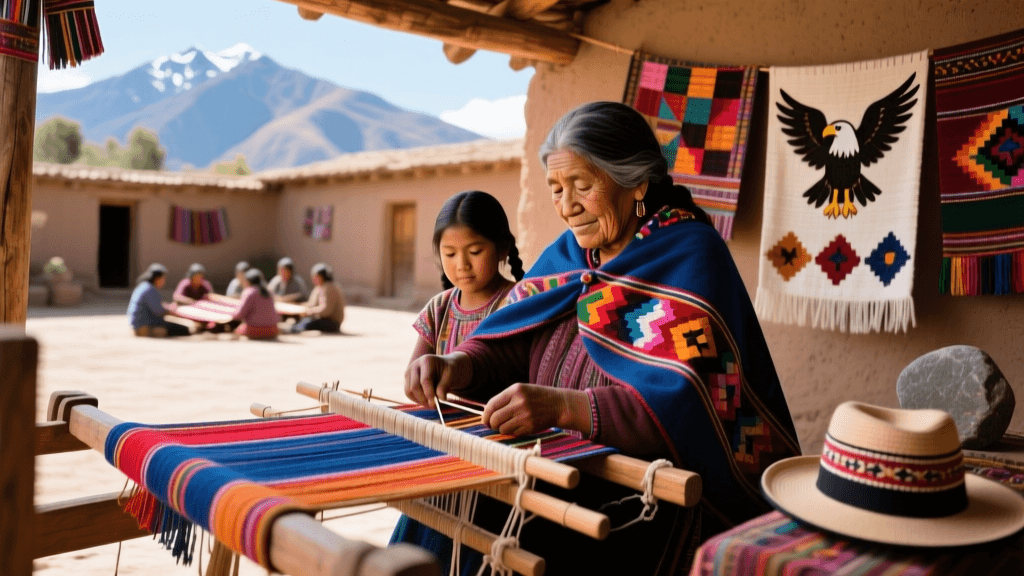
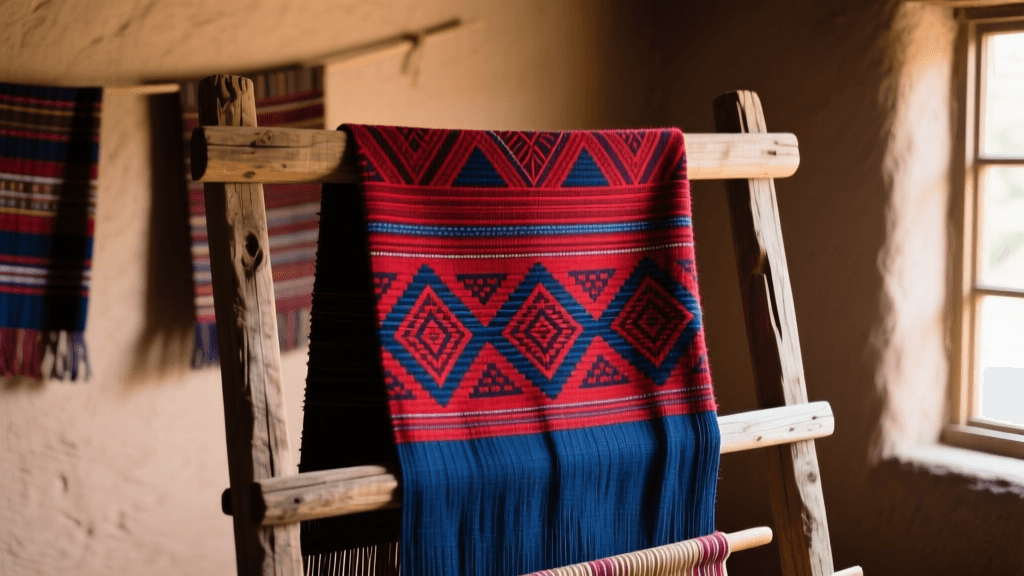
In the vibrant cultural landscape of 2026, the global slow fashion movement has placed an unprecedented spotlight on Indigenous textile arts. Among the most revered of these traditions is the Zapotec backstrap weaving of Oaxaca, Mexico. For centuries, Indigenous women have utilized the telar de cintura (backstrap loom) to create garments that are not merely clothing, but wearable codices of cosmology, history, and community identity. Unlike the pedal loom (telar de pedal) introduced by Spanish colonizers in the 16th century—which is typically used for wider, heavier items like rugs and serapes—the backstrap loom is intimately connected to the weaver's body. The tension of the warp threads is controlled by the weaver’s own breath and posture, resulting in a textile that is literally imbued with the artisan's physical rhythm.
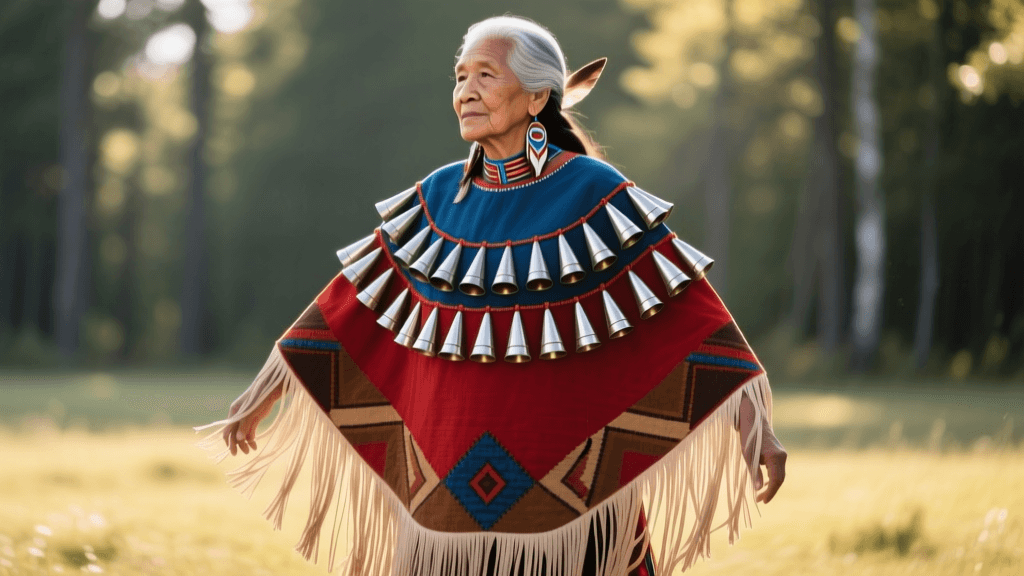
The most iconic garment produced on this loom is the huipil, a traditional Mesoamerican tunic worn by women. In Zapotec communities across Oaxaca's Central Valleys and the Sierra Norte, the huipil serves as a marker of regional identity. The intricate brocade patterns woven directly into the fabric—featuring diamonds representing the four directions of the universe, stylized frogs invoking rain, and scorpions for spiritual protection—are passed down through generations. As of 2026, preserving these ancestral techniques against the tide of fast fashion and synthetic imports remains a vital priority for Oaxacan artisan cooperatives.
Decoding Natural Dyes: Cochineal, Indigo, and Marigold
A true Zapotec textile is defined as much by its color palette as by its weave. Before the arrival of synthetic aniline dyes in the late 19th century, Oaxacan weavers relied entirely on the botanical and zoological riches of their environment. Today, a renaissance in natural dyeing has taken root, driven by both ecological consciousness and a desire to reclaim pre-Hispanic aesthetic standards. According to the Museo Textil de Oaxaca, the revival of natural dyes is one of the most significant developments in contemporary Indigenous textile arts, ensuring that ancient chemical knowledge is not lost to modern convenience.
The crown jewel of Oaxacan natural dyes is cochineal (Dactylopius coccus), a parasitic scale insect that lives on the pads of the nopal cactus. The female insects are harvested, dried, and ground into a fine powder rich in carminic acid. When combined with a mordant—typically alum (potassium aluminum sulfate)—it yields a brilliant, colorfast crimson. However, the true artistry lies in pH manipulation. By adding acidic lime juice, the weaver shifts the color to a vibrant orange-red; by introducing alkaline wood ash or baking soda, the hue transforms into a deep, regal purple.
Natural Dye Sources and Color Fastness Profile
| Dye Source | Origin Material | Primary Mordant | Resulting Colors | Lightfastness (2026 Standards) |
|---|---|---|---|---|
| Cochineal | Dried female insects | Alum, Iron, Lime | Crimson, Purple, Orange, Black | Excellent |
| Indigo (Añil) | Indigofera suffruticosa leaves | Alkaline fermentation vat | Deep Blue, Teal, Sky Blue | Superior |
| Marigold (Cempasúchil) | Flower petals | Alum | Golden Yellow, Mustard | Moderate (Fades gracefully) |
| Huizache | Acacia farnesiana bark/pods | Iron (Rust water) | Warm Browns, Charcoal Grey | Excellent |
| Pecan Shells (Nogal) | Outer husks of pecans | None required (Substantive) | Rich Sepia, Earthy Brown | Good |
Indigo (añil) is another cornerstone of the Oaxacan palette. Unlike cochineal, which requires a hot water extraction and a mordant, indigo requires a complex, living fermentation vat. The leaves are fermented in an alkaline solution, and the yarn is dipped repeatedly, oxidizing in the air to achieve deeper shades of blue. Research highlighted by the Smithsonian Center for Folklife and Cultural Heritage emphasizes that the maintenance of an indigo vat is considered a sacred, almost alchemical practice among master dyers, requiring careful attention to temperature, pH, and the 'health' of the bacterial culture.
How to Identify Authentic Handwoven Zapotec Textiles in 2026
As the demand for authentic Indigenous garments has surged in 2026, so too has the market saturation of machine-made imitations. Mass-produced textiles, often woven on power looms in overseas factories using acrylic yarns and synthetic dyes, are frequently marketed to tourists as 'authentic Oaxacan crafts.' For collectors, curators, and conscious consumers, knowing how to distinguish a genuine handwoven backstrap huipil from a factory-made replica is essential.
- Examine the Selvedge (Orillo): A true backstrap-woven textile will have finished, continuous selvedges on all four sides. The fabric is woven to its exact final dimensions and does not require cutting or hemming at the edges. If you see machine-stitched hems or cut edges that fray, it is likely woven on a continuous bolt and cut to shape.
- Look for Brocade, Not Embroidery: Traditional Zapotec huipils feature brocado (supplementary weft brocade). This means the intricate geometric patterns are woven directly into the structure of the cloth on the loom, using a thicker, contrasting thread that floats over the warp. Embroidery, by contrast, is stitched onto a pre-woven piece of fabric using a needle. While some regions do embroider, the classic Zapotec valley huipil relies heavily on woven brocade.
- Check for Irregularities: Hand-spun and hand-woven textiles possess a living, breathing quality. Look closely at the tension of the weave. Slight variations in the tightness of the weft threads, minor asymmetries in the brocade motifs, and the subtle slub of hand-carded cotton or wool are hallmarks of human craftsmanship. Machine-woven fabrics are mathematically perfect and sterile to the touch.
- The Fringe Test: Many traditional garments feature hand-knotted macramé fringes (rapacejo) at the bottom or along the seams. The complexity, tightness, and slight irregularity of these hand-tied knots are nearly impossible to replicate cost-effectively by machine.
- Perform a Fiber Burn Test (With Caution): If you are permitted to take a single, loose thread from an inconspicuous area and burn it, natural cotton or wool will smell like burning paper or hair and leave a fine, crushable ash. Synthetic acrylics or polyesters will melt, smell like sweet plastic, and form a hard, uncrushable bead.
Sourcing and Pricing: The 2026 Market Landscape
Navigating the market for Indigenous textiles requires an understanding of fair compensation and the immense labor involved. A single, heavily brocaded backstrap huipil dyed with natural cochineal can take a master weaver anywhere from three to six months of daily work to complete. Therefore, pricing in 2026 reflects not just the cost of materials, but the preservation of an intangible cultural heritage.
When sourcing authentic pieces, buyers should expect the following price ranges in the current market:
- Everyday Cotton Huipil (Pedal Loom / Simple Brocade): $120 – $250 USD. These are beautiful, durable garments suitable for daily wear, often utilizing a mix of natural and high-quality commercial cotton threads.
- Ceremonial Backstrap Huipil (Natural Dyes / Complex Brocade): $400 – $850 USD. Woven entirely on the backstrap loom using hand-spun cotton, natural indigo, and cochineal. These are collector-grade pieces and wearable art.
- Masterwork / Antique-Style Replicas (Silk & Cotton Blend): $1,000 – $2,500+ USD. Reserved for the most esteemed artisans who weave with wild silk (algodón coyuche or native brown cotton) and execute the most complex, multi-layered double-weave techniques.
Ethical sourcing is paramount. In 2026, the most responsible way to acquire these garments is directly through Indigenous-led cooperatives or certified fair-trade organizations. Groups like the Mujeres Artesanas de las Comunidades de Oaxaca (MACO) and the retail spaces supported by the Fair Trade Federation ensure that the weavers receive a living wage, retain the intellectual property rights to their regional patterns, and have agency over how their cultural expressions are sold. Avoid boutique retailers that cannot name the specific community or artisan collective that produced the garment, as these often operate on exploitative middleman models.
Care and Maintenance for Naturally Dyed Garments
Owning a naturally dyed, handwoven Zapotec textile is a commitment to its preservation. The organic dyes, while remarkably colorfast when properly mordanted, require specific care to maintain their vibrancy and structural integrity over decades.
First, never wash a naturally dyed huipil in a washing machine. The agitation can distort the tension of the backstrap weave and cause the brocade threads to snag. Instead, hand-wash the garment in cold or lukewarm water using a pH-neutral, biodegradable detergent specifically formulated for delicate fibers. Avoid harsh alkaline soaps, which can strip the alum mordant and cause cochineal dyes to shift color or bleed.
When drying, never wring or twist the fabric, as this can break the hand-spun fibers. Gently press the water out by rolling the garment in a clean, dry, colorfast towel. Lay the huipil flat on a drying rack in a shaded, well-ventilated area. Direct sunlight is the enemy of natural dyes; prolonged UV exposure will rapidly fade marigold yellows and dull the deep blues of fermented indigo. Finally, store your textiles flat or gently rolled in acid-free tissue paper inside a cedar chest to protect against moisture and textile pests, ensuring your garment remains a vibrant testament to Zapotec artistry for generations to come.