Jingle Dress Regalia Guide: Materials and Sourcing 2026
The Enduring Legacy of the Jingle Dress in 2026
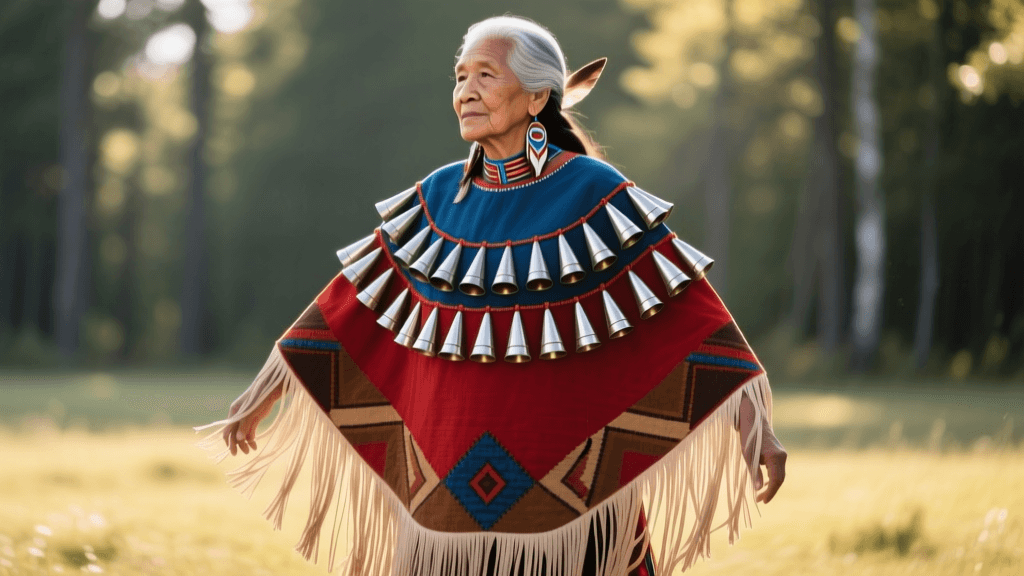
As the 2026 Powwow season unfolds across North America, the rhythmic, rain-like sound of the jingle dress continues to captivate audiences and honor deep spiritual traditions. The jingle dress dance is not merely a performance; it is a profound expression of healing, prayer, and Indigenous resilience. For Native American artisans, dancers, and cultural preservationists, crafting a jingle dress requires a deep understanding of both historical significance and modern material sourcing. This comprehensive guide explores the anatomy of the jingle dress, providing actionable advice on sourcing authentic materials, calculating yardage, and respecting cultural protocols in 2026.
Historical Context and Healing Origins
The jingle dress originated among the Ojibwe (Anishinaabe) people over a century ago. According to oral traditions, the dress and its accompanying dance were revealed in a vision to a medicine man seeking a way to heal his gravely ill daughter. The vision instructed him to create a dress adorned with metal cones that would produce a specific sound when the dancer moved. As the daughter danced in the dress, she was healed. Today, the jingle dress is widely recognized as a healing dress, and dancers are often asked to pray for the sick and vulnerable during Powwows. Understanding this sacred origin is the first and most critical step for anyone involved in the creation or wearing of this regalia.
Anatomy of the Jingle Dress: Essential Materials
Constructing a jingle dress requires specific materials that balance durability, visual impact, and acoustic resonance. In 2026, artisans have access to both traditional and modernized supplies that elevate the quality of the regalia.
The Metal Jingles (Cones)
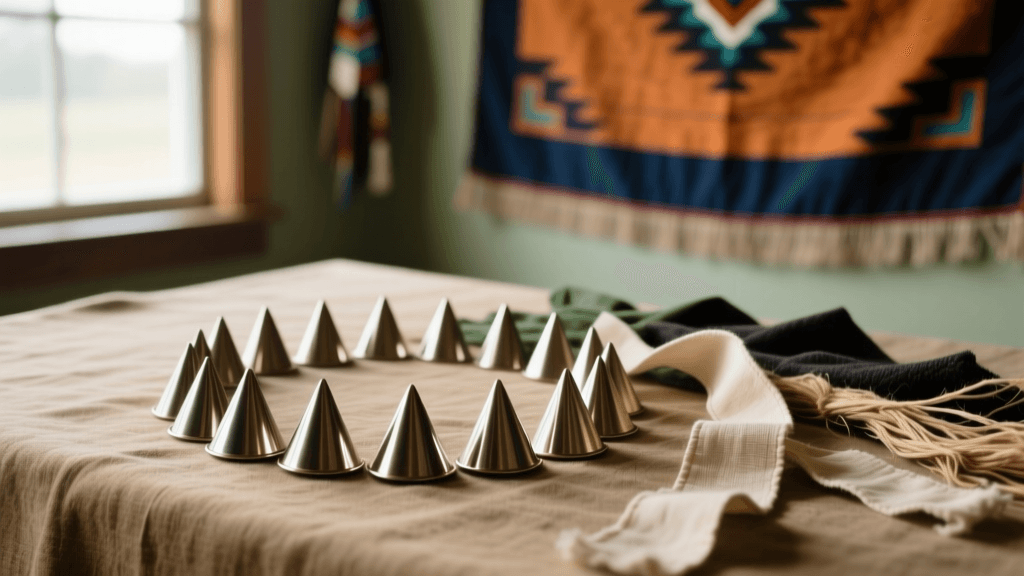
The defining feature of the regalia is the 'jingle'—a rolled metal cone. Historically, these were crafted from the lids of snuff cans or baking powder tins. Today, modern jingles are typically stamped from brass, copper, nickel silver, or cold-rolled steel.
- Acoustic Profile: Brass and copper produce a warmer, mellower tone, while steel and nickel silver offer a sharper, louder resonance that cuts through the sound of the Powwow drum.
- Sizing: The most common sizes are 3/4-inch and 1-inch cones. A standard adult dress requires anywhere from 200 to 400 jingles, depending on the density of the rows and the size of the dancer.
- Attachment: Jingles must be tied using heavy-duty waxed sinew or thick nylon thread. Standard cotton thread will quickly fray and snap against the sharp metal edges of the cone loops.
Fabric Selection and Yardage
The base of the dress must be durable enough to support the weight of hundreds of metal cones, which can collectively weigh between 10 to 25 pounds.
- Material Choices: Cotton broadcloth remains the most popular choice due to its breathability, durability, and matte finish, which contrasts beautifully with shiny appliqué. Taffeta and heavy satin are also used for a more vibrant, reflective look, though they can be warmer during summer Powwows.
- Yardage Calculation: For an average adult woman's dress (including the bodice, skirt, and sleeves), you will need between 5 to 7 yards of 45-inch wide fabric, or 4 to 5 yards of 60-inch wide fabric. Always purchase an extra half-yard to account for pattern matching and cutting errors.
Beadwork and Ribbonwork Appliqué
Jingle dresses are heavily adorned with ribbonwork appliqué and intricate beadwork.
- Seed Beads: Size 11/0 Czech seed beads are the industry standard for appliqué and edging due to their uniform shape and vibrant color palette. For highly detailed floral motifs, artisans may step down to size 13/0 or 15/0 beads.
- Ribbonwork: Satin or grosgrain ribbons are layered and cut into geometric or floral patterns, then stitched onto the fabric base. In 2026, laser-cut ribbon templates are available from specialized Native crafting suppliers, allowing for flawless symmetry.
Step-by-Step Construction Guide
Creating the dress requires patience and precision. Follow these foundational steps for assembling the regalia:
- Drafting the Pattern: Use a commercial Native dance dress pattern or draft a custom T-dress pattern based on the dancer's exact measurements. Ensure the skirt is flared to allow for the kinetic movement of the dance steps.
- Applying Appliqué: Before attaching any jingles, sew all ribbonwork appliqué and beadwork medallions onto the flat fabric panels. It is significantly easier to bead on a flat surface than on a fully assembled garment.
- Mapping the Jingle Rows: Use a fabric marking pen to draw zig-zag or straight horizontal lines across the skirt and bodice. The standard spacing between rows is 1.5 to 2 inches.
- Tying the Cones: Thread your waxed sinew through the loop of the metal cone. Tie a secure double-knot or surgeon's knot directly to the fabric. Leave enough slack so the cone can swing freely and strike the cones below it, but not so much that the rows tangle during spins.
- Final Assembly: Sew the side seams and attach the sleeves. Hem the bottom edge, often adding a band of contrasting ribbon to protect the fabric from fraying against the dancer's moccasins and the ground.
2026 Sourcing Guide: Where to Buy Authentic Supplies
Sourcing high-quality materials is vital for the longevity of the regalia. According to Powwows.com, supporting Native-owned businesses and established, respectful trading posts ensures that the economic benefits of Powwow culture remain within Indigenous communities. Below is a comparison of recommended material types and sourcing strategies for the 2026 season.
| Material | Recommended 2026 Supplier Type | Estimated Cost | Sourcing Notes |
|---|---|---|---|
| Brass Jingles (100 pack) | Native-Owned Trading Posts | $25 - $40 | Seek cold-rolled brass for a sharper, louder acoustic resonance. |
| Cotton Broadcloth (per yard) | Specialized Fabric Retailers | $12 - $18 | Pre-wash in cold water to prevent post-construction shrinkage. |
| Size 11/0 Seed Beads (1 lb) | Authentic Beadwork Suppliers | $45 - $60 | Czech or Japanese (Miyuki) preferred for uniform sizing. |
| Waxed Sinew / Nylon Thread | Leathercraft & Beading Shops | $8 - $15 | Must withstand metal friction; avoid standard cotton threads. |
| Satin Ribbon (Bulk Spools) | Wholesale Craft Distributors | $20 - $35 | Ensure colorfastness to prevent bleeding during rain or sweat. |
For specialized items like stamped metal cones and authentic trade cloth, established suppliers such as Crazy Crow Trading Post remain a reliable resource for artisans who do not have direct access to local Native-owned bead shops. However, prioritizing direct purchases from Indigenous metalsmiths and bead artists at regional Powwows is always the most culturally and economically supportive route.
Cost Breakdown and Budgeting for 2026
Handmaking a jingle dress is an investment of both time and capital. While prices for raw materials have seen slight inflation adjustments leading into 2026, careful budgeting can keep costs manageable. Below is an estimated budget for a fully handcrafted adult jingle dress.
| Expense Category | Low-End Estimate | High-End Estimate |
|---|---|---|
| Fabric (6 yards) | $72 | $120 |
| Metal Jingles (300 count) | $75 | $150 |
| Seed Beads & Thread | $60 | $110 |
| Ribbon & Appliqué Supplies | $40 | $85 |
| Tools (Needles, Awls, Markers) | $25 | $50 |
| Total Estimated Cost | $272 | $515 |
Note: This budget covers materials only. If commissioning a master seamstress or beadworker to create the regalia, labor costs will significantly increase the final price, often ranging from $800 to over $2,000 depending on the complexity of the beadwork.
Cultural Protocols and Respectful Crafting
When engaging with Native American traditional clothing, it is imperative to understand the distinction between 'regalia' and 'costume.' The term 'costume' implies a disguise or a theatrical outfit, whereas 'regalia' refers to the sacred, culturally significant garments worn during ceremony and dance. Furthermore, artisans and consumers must be aware of the Indian Arts and Crafts Board and the federal laws that protect Indigenous intellectual property and economic rights. The Indian Arts and Crafts Act makes it illegal to offer or sell any art or craft product in a manner that falsely suggests it is Indian-produced. When purchasing pre-made jingle dresses, beadwork, or metal cones, always verify that the artist is a recognized member of a state or federally recognized Tribe. If you are a non-Native individual learning about these traditions, approach the craft with deep respect. Do not appropriate the jingle dress for personal wear, Halloween, or fashion statements. The dress is a living prayer, and its creation should be guided by respect for the Ojibwe people and the broader Indigenous communities who keep the healing dance alive today.
Conclusion
The creation of a jingle dress is a labor of love, requiring meticulous attention to detail, an understanding of acoustic physics, and a profound respect for Indigenous healing traditions. By sourcing high-quality brass cones, durable broadcloth, and vibrant seed beads from authentic suppliers in 2026, artisans can craft regalia that not only looks stunning in the Powwow arena but also sounds like the healing rain it was meant to emulate. Whether you are a seasoned dancer replacing worn cones or a first-time seamstress drafting your initial pattern, honoring the materials and the protocols ensures the jingle dress will continue to heal and inspire for generations to come.