Sourcing Authentic Jingle Dress Materials & Cones for 2026 Powwows
The Healing Power of the Jingle Dress
The Jingle Dress dance is one of the most visually and audibly striking traditions at any North American powwow. Originating from the Ojibwe (Anishinaabe) people of the Great Lakes region in the early 20th century, the dance and its accompanying regalia are deeply rooted in healing, prayer, and spiritual medicine. According to oral histories, the dress was revealed in a dream to a medicine man seeking a way to heal his gravely ill daughter. The dream instructed him to create a dress adorned with metal cones that would produce a specific, rhythmic sound when danced in a particular pattern. As the daughter danced, she was healed, and the Jingle Dress tradition was born.
Today, the Jingle Dress has transcended its Ojibwe origins to become a pan-Indigenous symbol of resilience, healing, and cultural pride, danced by women and girls across the Americas. For those participating in the 2026 powwow circuit, whether as a seasoned competitor or a newcomer honoring their heritage, creating or commissioning a Jingle Dress requires a deep understanding of cultural protocol, material quality, and respectful sourcing. It is vital to remember that these garments are referred to as 'regalia,' never 'costumes,' as they carry profound spiritual weight and personal significance.
As we navigate the 2026 powwow season, global supply chain shifts and a growing emphasis on Indigenous economic sovereignty have changed how dancers source their materials. This guide provides actionable, up-to-date advice on sourcing authentic fabrics, metal jingles, and ribbon work supplies while ensuring your purchases directly support Native artisans and businesses.
Anatomy of a Modern Jingle Dress Regalia
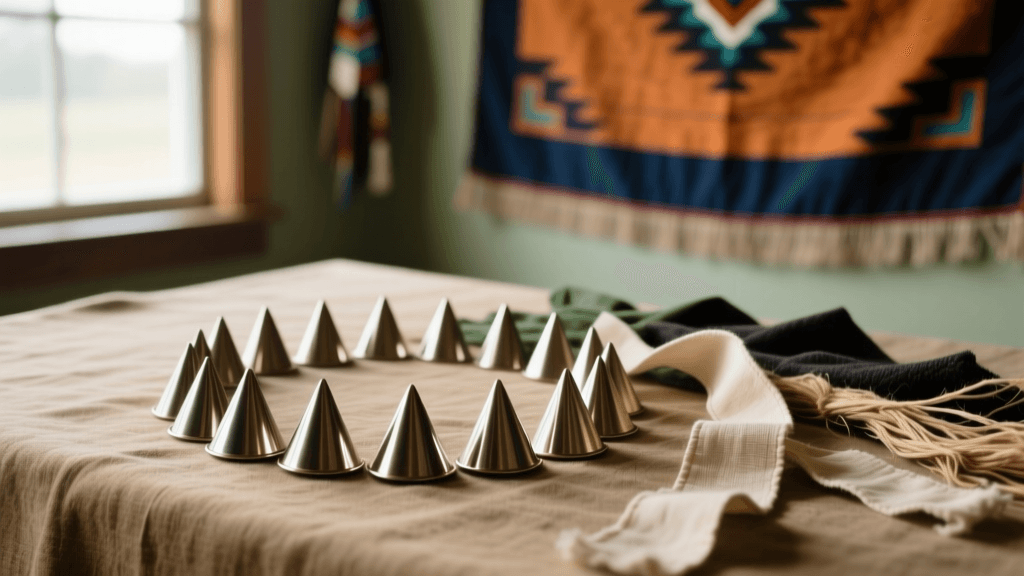
A traditional Jingle Dress is typically made from a sturdy, breathable fabric such as cotton calico or broadcloth, designed to withstand the rigorous movement of the dance and the substantial weight of the metal cones. The dress is often adorned with intricate ribbon appliqué, representing the wearer's family, clan, or personal aesthetic. The most critical component, however, is the 'jingles'—the rolled metal cones that create the iconic sound resembling falling rain.
Traditionally, a healing dress features exactly 365 jingles, representing one for each day of the year, symbolizing continuous prayer. In modern competitive powwow regalia, the number may vary between 250 and 400 depending on the dancer's size, the dress's design, and the desired volume of sound. Because each metal cone weighs roughly a fraction of an ounce, a full dress can easily weigh between 10 and 15 pounds. Therefore, the structural integrity of the garment is just as important as its visual beauty.
Sourcing Metal Jingles: 2026 Market Guide
The sound of a Jingle Dress is its heartbeat. The material, size, and manufacturing method of the cones dictate the pitch, resonance, and volume of the dance. In 2026, dancers have several options for sourcing jingles, but there is a strong movement toward purchasing hand-rolled cones from Native metalworkers rather than importing mass-produced, machine-stamped alternatives.
Below is a comparison of the primary jingle types available on the 2026 market, including current average pricing and acoustic profiles:
| Cone Type | Material | Sound Profile | 2026 Avg. Price (per gross) | Best Use Case |
|---|---|---|---|---|
| Hand-Rolled Copper | Pure Copper | Deep, resonant, warm, melodic | $65 - $85 | Traditional healing dances, elder dancers |
| Stamped German Silver | Nickel Silver Alloy | Bright, high-pitched, sharp | $45 - $60 | Competitive powwow dancing, high visibility |
| Machine-Stamped Tin | Tin-plated Steel | Loud, clashing, metallic | $25 - $35 | Youth dancers, budget-friendly starter dresses |
| Brass Jingles | Solid Brass | Rich, mid-tone, sustained ring | $55 - $75 | Outdoor powwows, cutting through drum noise |
Sourcing Tip for 2026: Due to recent fluctuations in international metal tariffs, imported German silver has seen a 12% price increase this year. Consequently, many dancers are pivoting to Native-owned metalworking cooperatives in the Southwest and Great Lakes regions. Purchasing hand-rolled copper or brass not only yields a superior, warmer sound but also keeps capital within Indigenous communities. When ordering custom hand-rolled jingles, allow for a 6-to-8-week lead time to ensure delivery before the summer powwow season peaks.
Fabric, Ribbons, and Appliqué Techniques
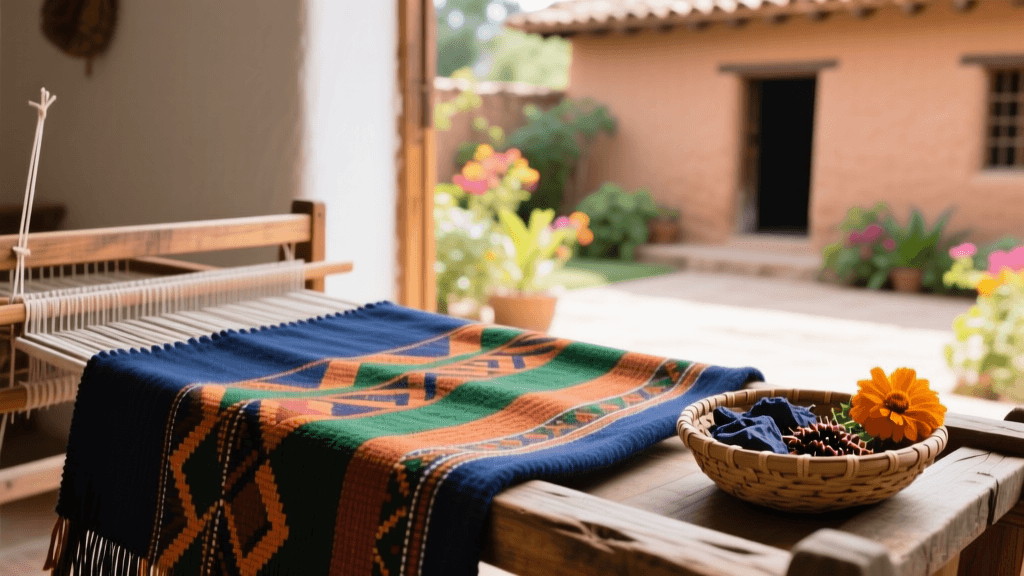
The foundation of the dress must be durable. Heavyweight cotton broadcloth (often referred to as 'trade cloth') remains the gold standard for Jingle Dresses because it holds the weight of the jingles without tearing and breathes well in hot summer arenas. For the 2026 season, rich jewel tones—such as sapphire blue, emerald green, and deep burgundy—are highly popular, often contrasted with vibrant, neon-bright ribbon work that pops under stadium lighting.
Ribbon work is a distinct Indigenous textile art form. There are two primary techniques used in Jingle Dress regalia:
- Cut-Work Appliqué: Layers of satin ribbon are cut and folded to create intricate, multi-colored geometric patterns. This technique is time-consuming but results in a stunning, textured look.
- Reverse Appliqué: A top layer of fabric or ribbon is cut away to reveal a contrasting color underneath, often finished with a tight zigzag stitch for durability.
When sourcing double-fold satin ribbon, avoid discount craft store brands that fray easily and lose their luster after a single wash. Instead, source high-quality, colorfast ribbons from specialized Native beadwork and textile suppliers. Many Indigenous-owned online shops offer bulk spools of Japanese or French satin ribbon, which provide the necessary sheen and structural integrity for dance regalia.
Weight Distribution and Construction
Attaching hundreds of metal cones requires more than just standard thread. In 2026, professional regalia makers utilize heavy-duty, waxed nylon sinew or specialized upholstery thread to secure the jingles. The cones are typically attached in rows, spaced about 1 to 1.5 inches apart. This spacing is critical: if they are too close, they will tangle; if they are too far apart, they will not strike each other to produce the signature 'rain' sound.
To prevent the dress from sagging or tearing under the 15-pound load of the metal, modern makers incorporate an internal yoke or a secondary layer of lightweight canvas backing along the rows where the jingles are heaviest. This hidden structural support ensures the dress drapes beautifully and moves fluidly with the dancer's footwork, particularly during the complex, low-to-the-ground steps required in traditional Jingle Dance protocol.
Supporting Authentic Native Artisans
As interest in Indigenous fashion and textile arts grows, so does the market for counterfeit, mass-produced 'Native-inspired' goods. When sourcing materials or commissioning a complete Jingle Dress, it is imperative to verify the Indigenous heritage of the artisan. The Indian Arts and Crafts Board provides excellent resources and guidelines on the Indian Arts and Crafts Act, which makes it illegal to falsely market goods as Native American-made. Always ask vendors about their tribal affiliation and look for certifications or memberships in recognized Native arts cooperatives.
Furthermore, understanding the cultural context of the garments you wear or create is essential. The Ojibwe People's Dictionary and various university-hosted Indigenous heritage archives offer invaluable linguistic and historical context regarding Anishinaabe clothing, beadwork motifs, and the sacred origins of the healing dance. Educating yourself on the specific regional variations of the dance—such as the differences between the traditional Ojibwe side-step and the modern competitive 'fast' style—will inform your material choices, from the stiffness of your broadcloth to the length of your ribbon fringes.
Preparing for the 2026 Powwow Season
Preparing a Jingle Dress for the 2026 season is a labor of love that requires months of planning, saving, and meticulous handwork. If you are commissioning a dress from a recognized Native artisan, reach out in the winter months. Many top-tier regalia makers book their commission slots for the summer Grand Entry seasons as early as January.
For those sewing their own regalia, invest in a heavy-duty sewing machine capable of punching through multiple layers of broadcloth, canvas, and satin ribbon without breaking needles. Finally, remember that a Jingle Dress is never truly 'finished.' It is a living garment that evolves with the dancer. Over the years, you may add new ribbons to honor family milestones, replace worn cones, or alter the hemline as your dance style matures. Approach the sourcing and creation process with patience, respect, and a deep reverence for the healing medicine that the Jingle Dress carries into the arena.