LDS Temple Garments Guide 2026: History, Styles & Sizing
Understanding the Sacred Significance of LDS Temple Garments
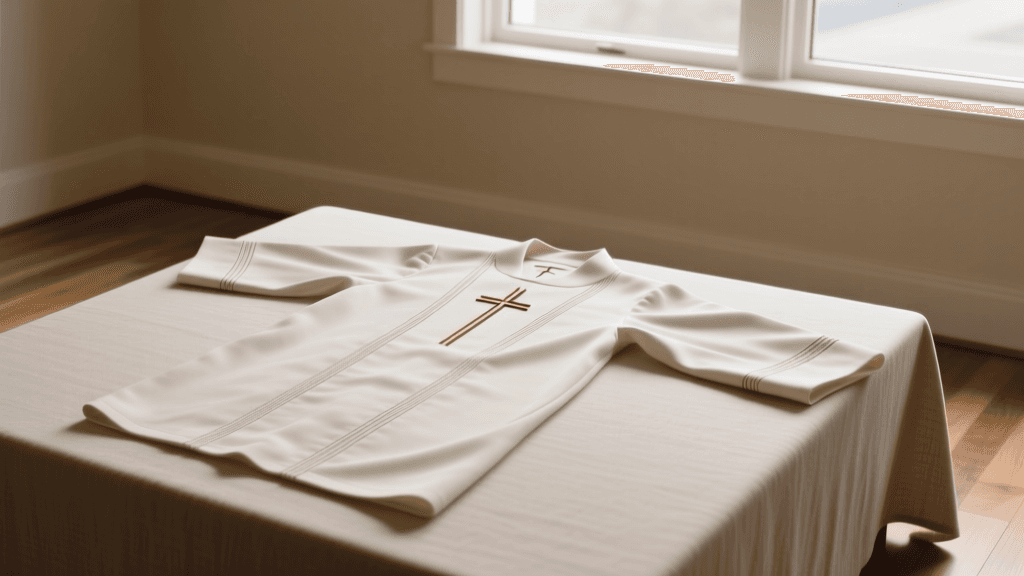
For members of The Church of Jesus Christ of Latter-day Saints, temple garments hold profound spiritual significance. Often referred to simply as 'garments' or 'sacred clothing,' these undergarments are worn by endowed members as a constant, personal reminder of the covenants they have made with God. Unlike ordinary clothing, which is chosen for fashion or utility, temple garments are deeply rooted in religious tradition, serving as a symbolic shield and a private expression of faith. According to the official temple preparation guidelines, wearing the garment is an outward expression of an inward commitment to follow Jesus Christ and live the gospel.
As we navigate 2026, the global Latter-day Saint community continues to grow, and the Church has adapted its distribution methods, fabric technologies, and sizing options to meet the diverse needs of its members across varying climates and cultures. This comprehensive guide explores the rich history, modern styles, and practical purchasing information for LDS temple garments today.
A Historical Journey: From 1842 to 2026
The origins of the temple garment trace back to Nauvoo, Illinois, in 1842, when Joseph Smith introduced the temple endowment. Early garments were markedly different from what members wear today. They were essentially one-piece 'union suits' that extended to the wrists and ankles, featuring long sleeves and full-length legs. These early designs were heavily influenced by the modesty standards and practical clothing norms of the 19th century.
Following the migration to the Salt Lake Valley, Brigham Young and subsequent Church leaders oversaw gradual adjustments to the garment to improve comfort and practicality. By the 1920s and 1930s, the Church introduced shorter sleeves and legs, reflecting the changing styles of standard undergarments of the era. A monumental shift occurred in the 1970s when the two-piece garment (a separate top and bottom) was approved and widely adopted, offering greater flexibility and comfort for modern lifestyles.
Today, historical records preserved at the Church History Library showcase this fascinating evolution. In 2026, the design remains focused on modesty and the preservation of sacred marks, but the manufacturing process has embraced modern textile engineering, ensuring that members from the humid tropics of Brazil to the freezing winters of Canada can wear their sacred clothing comfortably.
Modern 2026 Styles and Fabric Technologies
The Church's distribution network now offers a wide array of styles and fabrics designed to accommodate different body types, personal preferences, and environmental conditions. While the sacred marks and the fundamental modesty requirements remain unchanged, the textile options in 2026 are more advanced than ever.
Fabric Options
- Cotton: The classic, traditional choice. Breathable, durable, and widely preferred for everyday wear in temperate climates.
- Modal: A semi-synthetic fabric made from beech tree pulp. Modal garments are highly sought after for their silk-like softness, excellent drape, and resistance to shrinking.
- Stretch (Spandex Blend): Ideal for active individuals, this fabric offers a snug, athletic fit that moves with the body without losing its shape.
- Cooling Mesh: Designed specifically for hot and humid climates, featuring micro-perforations that enhance airflow and wick moisture away from the skin.
- Thermal: A heavier, insulated blend for members living in extreme cold, providing warmth without excessive bulk.
Style Comparison Chart
| Category | Style Name | Description & Best Use Case |
|---|---|---|
| Men's Tops | Crew Neck | Standard round neckline; sits at the base of the neck. Best for button-up shirts. |
| Men's Tops | V-Neck | Dips slightly lower; ideal for wearing under unbuttoned collared shirts. |
| Men's Bottoms | Standard Boxer | Classic mid-thigh length with a relaxed fit. |
| Women's Tops | Cap Sleeve | Short sleeve that covers the shoulder; standard for most women's blouses. |
| Women's Tops | Scoop / Low Neckline | Designed for wider necklines on modern women's apparel while maintaining core modesty. |
| Women's Bottoms | Knee-Length | Extends to the knee, providing coverage under skirts and dresses. |
Sizing, Fit, and Custom Adjustments
Proper fit is essential for both comfort and the respectful wearing of the garment. In 2026, the Church utilizes an updated, highly precise sizing matrix that accounts for diverse global body types. Garments are not meant to be tight or restrictive; they should fit comfortably against the skin without sagging.
When ordering, members use a digital measuring guide available on the distribution portal. Key measurements include the chest, waist, hip, and inseam. For women, bust and torso length are also factored in. If a member falls between sizes or has unique physical requirements, local Distribution Center managers can facilitate custom tailoring requests. It is important to note that while minor alterations (such as hemming the legs or sleeves) are permissible to ensure a proper fit, the sacred marks and the overall modesty parameters of the neckline and hemline must never be altered or removed.
How to Purchase Temple Garments in 2026
Purchasing temple garments is a restricted process, reserved exclusively for endowed members of the Church. To buy garments, a member must possess a current, valid temple recommend. The purchasing ecosystem in 2026 is streamlined, offering several convenient avenues:
- Online Ordering: The Church's official online distribution store is the most popular method. Members log in using their Church Account, which automatically verifies their temple recommend status. The platform features AI-assisted sizing recommendations based on past purchases and global shipping with carbon-neutral delivery options.
- Temple Distribution Shops: Most operating temples feature an on-site distribution shop where members can purchase garments immediately before or after participating in temple ordinances. These shops carry a curated inventory of the most common sizes and fabrics.
- Stake and Ward Distribution Centers: Larger regional centers maintain robust inventories. Members can visit in person to be professionally measured, feel the different fabric swatches, and take garments home the same day.
- Temple Kiosks: For members living in remote areas far from a temple or distribution center, the Church has deployed automated, secure ordering kiosks in select meetinghouses globally, allowing for local pickup of shipped garments.
Garments for Special Circumstances
The Church recognizes that standard garments may not be feasible for every situation. In 2026, specialized options are readily available for unique circumstances:
- Military Personnel: The Church provides garments dyed in standard military camouflage patterns and sand colors, made from flame-resistant and moisture-wicking tactical fabrics to comply with uniform regulations.
- Maternity: Specially designed maternity tops and bottoms feature expandable abdominal panels to accommodate pregnancy while maintaining the required coverage and sacred marks.
- Medical and Surgical Needs: For members undergoing surgery or dealing with medical devices (such as colostomy bags or feeding tubes), specialized garments with discreet, reinforced access panels are available upon request through local bishoprics and distribution managers.
Caring for and Retiring Sacred Clothing
Because of their sacred nature, garments should be treated with respect, even in the laundry room. They should be washed with regular laundry using mild detergents. Bleach is generally discouraged, especially for modal and stretch fabrics, as it degrades the fibers and fades the marks. Tumble drying on a low or medium setting is recommended to preserve the elasticity of the spandex blends.
When a garment becomes worn, torn, or no longer usable, it must be retired properly. The established protocol requires the member to carefully cut out the sacred marks (the figures and symbols located on the chest and legs). Once the marks are removed, they should be destroyed or disposed of privately in the trash. The remaining fabric, which no longer holds any sacred designation, can be thrown away or repurposed as cleaning rags. Under no circumstances should worn or damaged garments be donated to thrift stores, given to non-endowed individuals, or thrown away intact.
Conclusion
The evolution of LDS temple garments from the heavy union suits of the 1840s to the advanced, climate-specific textiles of 2026 reflects a faith that honors its deep historical roots while adapting to the practical realities of a global membership. Whether you are a newly endowed member preparing to purchase your first set, or a lifelong member looking to update your wardrobe with the latest cooling mesh fabrics, understanding the history, meaning, and proper care of these sacred items enriches the spiritual experience of wearing them. As a private reminder of eternal covenants, the garment remains a cornerstone of Latter-day Saint devotion in the modern era.