LDS Temple Garments 2026: Complete History & Buying Guide
Introduction to LDS Temple Garments in 2026
For members of The Church of Jesus Christ of Latter-day Saints, temple garments hold profound spiritual significance. Far from being mere undergarments, they serve as a sacred, daily reminder of the covenants made within the walls of the temple. As we navigate 2026, the landscape of temple clothing and garments has evolved to meet the practical needs of a global membership while maintaining the sacred symbolism established nearly two centuries ago. This comprehensive guide explores the rich history, spiritual meaning, modern 2026 style updates, and practical purchasing advice for LDS temple garments.
The Sacred History and Evolution
The origin of the temple garment dates back to 1842 in Nauvoo, Illinois, when Joseph Smith introduced the temple endowment to a small group of early Church members. The earliest garments were one-piece union suits, crafted from heavy cotton or linen, with long sleeves and legs that extended to the wrists and ankles. These early designs were heavily influenced by the modesty standards and practical realities of the 19th century.
As the Church migrated westward to the Salt Lake Valley and expanded globally throughout the 20th century, the need for more practical, climate-appropriate clothing became evident. In the 1920s and 1930s, the Church authorized the transition from one-piece suits to two-piece garments (a separate top and bottom). Sleeves were shortened to the elbow, and legs were shortened to the knee. By the late 20th century, further adaptations allowed for cap sleeves and shorter inseams to accommodate modern professional and casual attire.
The most significant modern shifts occurred in the early 2020s, culminating in the diverse and highly functional catalog available in 2026. The Church has continually refined the patterns to ensure they provide the required coverage while utilizing advanced textile technologies, ensuring members can honor their covenants comfortably in any environment, from tropical climates to rigorous athletic settings.
Spiritual Significance and Symbolism
According to the Church's official Gospel Topics Essays, temple garments 'foster a desire to dress modestly and maintain a high standard of morality.' They are a visual and tactile reminder of the wearer's commitment to live a Christ-centered life. The garments feature specific marks that carry deep symbolic meaning, representing concepts such as honor, integrity, and the constant guidance of the Holy Spirit. While the physical representation of these marks on the fabric has been simplified over the decades to focus more on the spiritual intent rather than literal embroidery, the sacred nature of the garment remains entirely unchanged. Wearing the garment is an expression of faith and a personal shield against the temptations of the modern world.
2026 Style Guide: Men's and Women's Options
The 2026 distribution catalog offers an unprecedented variety of styles, ensuring that every member can find a garment that fits their lifestyle, body type, and wardrobe needs. The Church's distribution services have expanded their sizing inclusivity and fabric options significantly.
Men's Garment Styles (2026)
- Crew Neck: The traditional, versatile option that works well under most casual and professional shirts.
- V-Neck: Designed to remain hidden under unbuttoned collared shirts or deeper necklines.
- Pocket Tee: Features a functional breast pocket, ideal for men who need to carry small items or prefer the aesthetic of a pocket tee.
- Athletic / Performance: Crafted from moisture-wicking blends, featuring raglan sleeves to prevent chafing during sports or heavy labor.
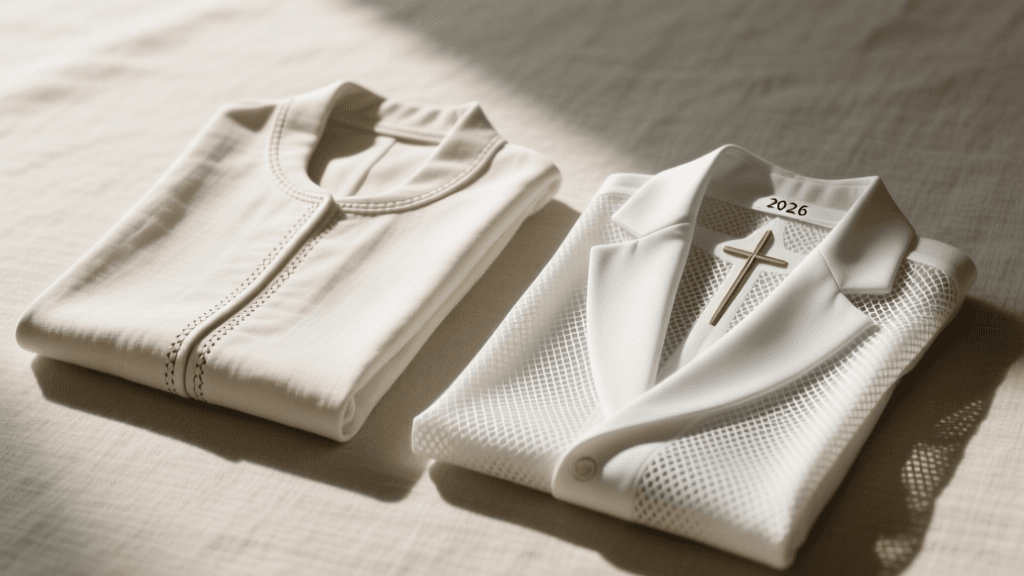
- Mesh: A lightweight, breathable option designed specifically for extreme heat, high humidity, or intense physical activity.
Women's Garment Styles (2026)
The 2026 catalog continues to embrace the transformative updates introduced in recent years, particularly regarding women's outerwear. Women now have the option to wear specific garment tops as outerwear, provided they meet the established modesty guidelines.
- Cap-Sleeve & Round Neck: The standard everyday options that provide full coverage under standard blouses and dresses.
- V-Neck & Scoop Neck: Tailored to remain discreet under modern women's fashion necklines.
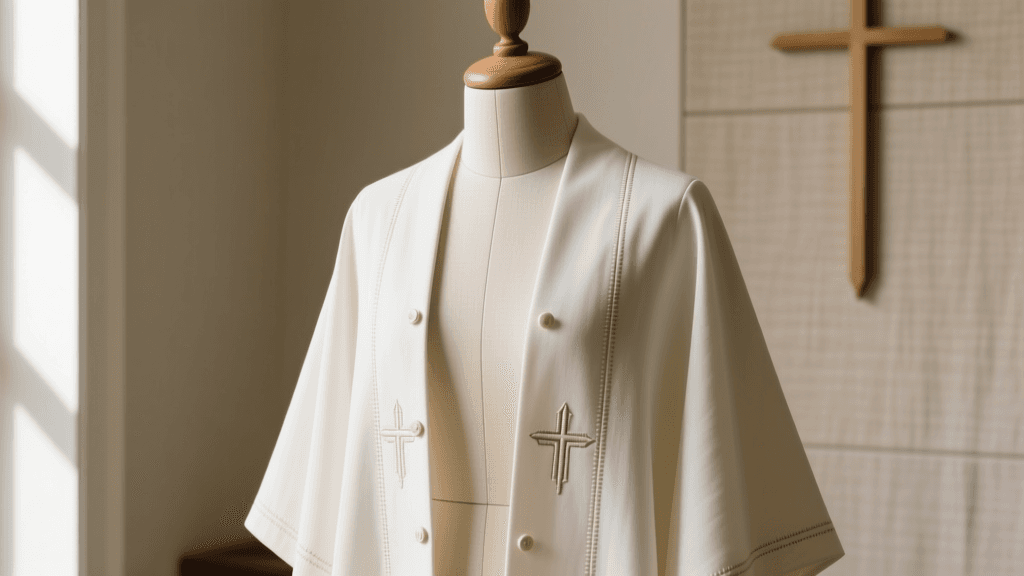
- Outerwear Tops: A revolutionary addition to the catalog. These garments are designed with fashionable elements—such as subtle lace trims, varied sleeve lengths (including short and three-quarter sleeves), and elegant draping—allowing them to be worn as standalone blouses in professional or casual settings.
- Maternity: Specially designed with stretch panels and empire waists to accommodate and support during pregnancy.
- Athletic Racerback: Provides secure coverage and moisture management for women engaged in fitness activities.
Fabric Technologies for Modern Living
The days of relying solely on heavy, shrink-prone cotton are long gone. In 2026, the Church's distribution centers offer several advanced fabric blends:
- 100% Combed Cotton: Soft, breathable, and ideal for everyday wear in temperate climates.
- Cotton-Modacrylic Blend: Offers superior durability, resists shrinking, and maintains its shape wash after wash. This is the most popular choice for long-term value.
- Performance Mesh: A synthetic, micro-perforated fabric that dries rapidly and provides maximum airflow. Essential for members living in tropical regions or those with highly active lifestyles.
- Thermal / Winter Blends: Brushed interiors that provide insulation without adding excessive bulk under winter clothing.
How to Measure and Order in 2026
Proper fit is essential for both comfort and ensuring the garment provides the required coverage. Members can order online via the official Church store or visit a local Distribution Center. Below is a guide on how to measure for the perfect fit.
| Measurement | How to Measure (Tops) | How to Measure (Bottoms) |
|---|---|---|
| Chest / Bust | Measure around the fullest part of the chest, keeping the tape level. | N/A |
| Waist | N/A | Measure around the natural waistline (usually near the navel). |
| Hip | N/A | Measure around the fullest part of the hips and buttocks. |
| Inseam | N/A | Measure from the crotch seam down to the desired leg length (knee or mid-thigh). |
Pro Tip for 2026: If you are between sizes, the Church recommends sizing up for a more relaxed fit, particularly with the 100% cotton options, to ensure the garment does not ride up or lose its required coverage when stretching.
Purchasing, Pricing, and Global Distribution
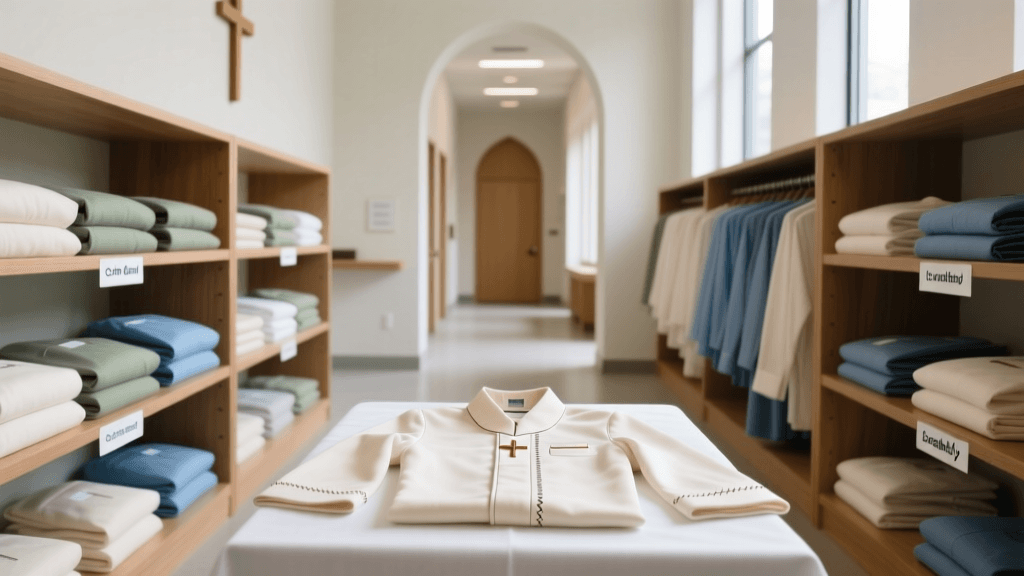
As of 2026, temple garments are available to any endowed member in good standing. Purchasing is highly streamlined. Members can order through the Church's online distribution portal, which now features AI-assisted sizing recommendations based on past purchases and user-inputted measurements. Alternatively, local Distribution Centers located near temples and stake centers offer in-person fittings.
2026 Pricing Estimates:
- Standard Cotton / Modacrylic Tops & Bottoms: $10.50 - $12.00 per piece.
- Performance Mesh & Athletic Styles: $13.00 - $15.50 per piece.
- Women's Outerwear Tops: $16.00 - $22.00 per piece (reflecting the more complex tailoring and fashion elements).
The Church subsidizes the cost of garments to keep them affordable for members worldwide, and financial assistance programs are available through local bishops for those experiencing economic hardship.
Care, Maintenance, and Respectful Disposal
To extend the life of your garments, wash them in cold or warm water with like colors. Avoid using bleach, as it degrades the elastane and modacrylic fibers. Tumble dry on low heat or line dry to prevent shrinkage and preserve the integrity of the fabric.
When a garment becomes worn, stretched out, or damaged beyond repair, it must be disposed of respectfully. Current 2026 guidelines dictate that members should cut out and destroy any remaining marks on the fabric. Once the marks are removed, the remaining fabric can be discarded in the regular trash, repurposed for cleaning rags, or, if still in excellent condition but no longer needed, donated to those in need (with the marks completely removed). For more detailed instructions on temple clothing and garment care, members are encouraged to consult the official Temple Clothing and Garments resource page.
Conclusion
The evolution of LDS temple garments into 2026 represents a beautiful intersection of ancient covenants and modern innovation. Whether you are preparing to receive your own endowment, updating your wardrobe with the latest outerwear options, or simply seeking a deeper understanding of this sacred tradition, the garments remain a steadfast source of spiritual protection and a daily reminder of one's dedication to Jesus Christ.