Osage Ribbon Work Regalia: Plains Indigenous Dress 2026
The Legacy of Osage Ribbon Work in Plains Indigenous Dress
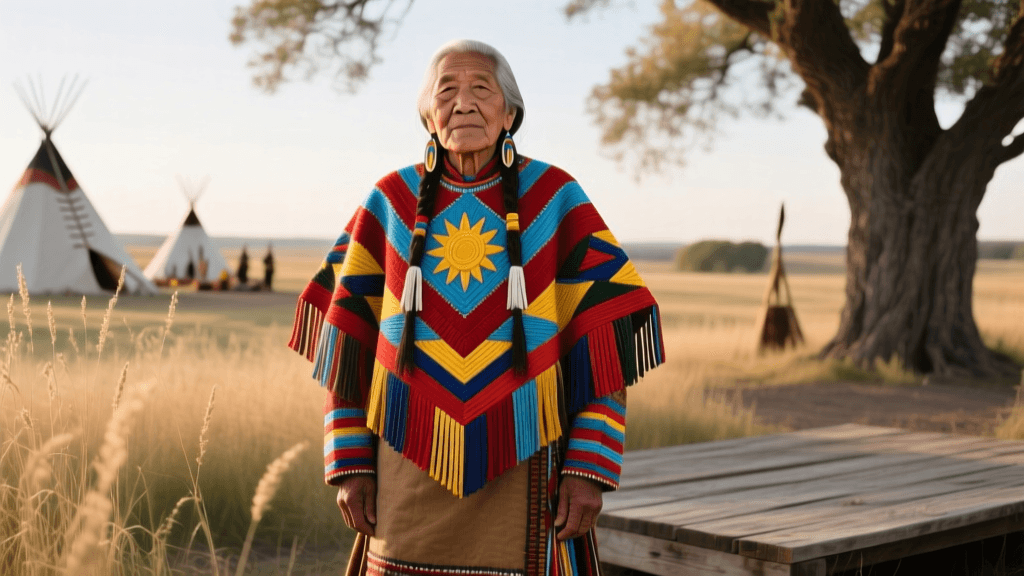
The vast tapestry of Indigenous North American dress traditions is deeply rooted in regional ecosystems, historical trade networks, and spiritual cosmologies. Among the most visually striking and technically complex of these traditions is the ribbon work of the Plains tribes, with the Osage Nation standing out as a paramount force in its evolution and preservation. As we navigate the cultural landscape of 2026, Osage ribbon work—known in the Osage language as mizh-zho-bye—continues to thrive not merely as a historical artifact, but as a living, breathing element of contemporary Indigenous identity, ceremonial dress, and high fashion. This comprehensive guide explores the intricate world of Osage and Ponca ribbon work regalia, detailing the historical context, technical execution, modern material sourcing, and the economic realities of commissioning and collecting these masterpieces in 2026.
Historical Roots and Regional Evolution
To understand the significance of Plains Indigenous dress today, one must look back at the profound shifts in material culture during the 18th and 19th centuries. Before sustained European contact, Osage and Ponca clothing was primarily crafted from brain-tanned deer, elk, and bison hides, meticulously adorned with porcupine quillwork, natural pigments, and dentalium shells. The introduction of European trade goods fundamentally altered this aesthetic and material reality. French and British traders brought silk ribbons, wool broadcloth, and cotton calico to the Americas. Rather than simply adopting European garments, Indigenous women ingeniously adapted these new materials to fit their existing artistic sensibilities and cultural needs.
The Osage, who were eventually relocated from their ancestral homelands in the Ohio and Mississippi River valleys to present-day Oklahoma, utilized their new environment and trade access to pioneer the reverse-appliqué technique that defines modern ribbon work. According to cultural archives and historical initiatives maintained by the Osage Nation, this adaptation was not a loss of tradition, but a brilliant evolution of it. The geometric patterns seen in early hide painting and quillwork were seamlessly translated into the vibrant, layered silk ribbons that characterize the Plains aesthetic today, creating a distinct regional style that is instantly recognizable.
Techniques and Anatomy of a Ribbon Work Garment
The hallmark of authentic Osage and Ponca ribbon work is the reverse-appliqué method, a painstaking process that requires immense precision, patience, and spatial reasoning. Unlike standard embroidery or surface appliqué, reverse appliqué involves layering multiple strips of contrasting silk or satin ribbon. The artisan then carefully cuts away the top layers to reveal the colors beneath, folding the raw edges under and stitching them down with nearly invisible slip stitches. The resulting patterns are highly geometric, featuring diamonds, stepped triangles, and intricate floral motifs that often carry specific familial or clan significances.
In 2026, master artisans continue to use traditional hand-stitching for museum-quality and ceremonial pieces, though some contemporary creators utilize high-end sewing machines for structural seams, reserving handwork for the delicate appliqué edges. A traditional Osage women's skirt, for example, may require dozens of yards of ribbon, layered up to five or six deep, creating a heavy, swinging garment that moves beautifully during powwow dances and ceremonial gatherings. The National Museum of the American Indian frequently highlights these textiles as prime examples of Indigenous mathematical and artistic brilliance, noting how the negative space is just as critical as the positive ribbons in forming the final design.
Contemporary Materials and Sourcing in 2026
For artisans and collectors alike, sourcing the right materials is critical to the authenticity and longevity of ribbon work regalia. While traditionalists still seek out vintage French silk ribbons, the modern market offers a variety of textiles suited for different applications, from heavy-use powwow regalia to delicate heirloom pieces. Below is a comparison of the most popular materials utilized by Plains textile artists in 2026.
| Material Type | Best Use Case | Cost per Yard (2026) | Durability & Notes |
|---|---|---|---|
| French Silk Ribbon | Ceremonial skirts, heirloom pieces | $65 - $95 | Exceptional drape, vibrant dyes, requires professional dry cleaning |
| Japanese Broadcloth | Base layers, leggings, shawls | $25 - $40 | High structural integrity, holds crisp reverse-appliqué folds perfectly |
| Satin Polyester Ribbon | Powwow regalia, heavy-use dance garments | $8 - $15 | Highly durable, machine washable, slightly less breathable than silk |
| Upcycled Wool Blend | Winter garments, contemporary fashion integration | $30 - $50 | Sustainable, warm, excellent for structured outerwear and coats |
Sourcing, Pricing, and Commissioning Custom Regalia
Commissioning custom ribbon work regalia in 2026 requires patience, respect for the artisan's time, and a realistic budget. Authentic, hand-stitched Osage ribbon work is not mass-produced; it is a specialized fine art that takes hundreds of hours to complete. For those looking to commission a piece—whether for personal powwow regalia, a wedding, or an institutional collection—understanding the current market is essential.
In 2026, the cost of raw materials has seen a notable increase due to global textile supply chain shifts. High-quality silk ribbons and imported broadcloth, preferred for their vibrant dye lots and structural integrity, are at a premium. Consequently, a fully completed, heavily layered Osage ribbon skirt commissioned from a master artisan typically ranges from $2,200 to $4,800. More complex ensembles, including matching leggings, shawls, and complementary beadwork, can easily exceed $8,500.
Lead times are equally significant. Most reputable Indigenous textile artists book their commissions 8 to 14 months in advance. It is crucial to approach artisans directly through verified tribal directories, official Osage Nation artisan registries, or established Indigenous art markets, such as the Santa Fe Indian Market or the Heard Museum Guild Indian Fair. Avoid third-party resellers who may markup prices exponentially or misrepresent the cultural origins and handmade nature of the garments.
Cultural Preservation and Modern Fashion Integration
The preservation of mizh-zho-bye is actively championed by tribal communities and cultural institutions. In 2026, the Osage Nation Museum and various community centers host regular workshops where elders pass down the intricate cutting and stitching techniques to younger generations. These programs are vital for ensuring that the specific regional variations of Osage patterns—distinct from those of the neighboring Ponca or Otoe-Missouria tribes—are not lost to homogenization.
Furthermore, Plains ribbon work has seen a massive resurgence in the broader contemporary Indigenous fashion movement. Designers are increasingly incorporating traditional reverse-appliqué motifs into ready-to-wear collections, blending historical broadcloth techniques with sustainable, eco-conscious modern fabrics. This integration not only provides economic opportunities for Native artists but also asserts Indigenous presence and aesthetic sovereignty in the global fashion industry. Wearing ribbon work today is a profound statement of survival, resilience, and cultural pride.
Caring for and Preserving Antique and Modern Textiles
Whether you are caring for an antique 19th-century Osage skirt or a newly commissioned 2026 powwow regalia set, proper preservation is paramount. Silk and early trade cloths are highly susceptible to UV degradation and acid transfer. Garments should be stored flat or loosely rolled in acid-free, unbuffered tissue paper within archival-quality textile boxes. Avoid hanging heavy, layered ribbon skirts for long periods, as the weight of the fabric can distort the base layers and stress the delicate slip stitches over time.
When cleaning modern synthetic or blended ribbon work, always follow the specific care instructions provided by the artisan. For historical silk pieces, never attempt home washing or spot cleaning; consult a professional textile conservator who specializes in Indigenous material culture. By respecting both the artistic process and the physical preservation of these garments, collectors and community members ensure that the vibrant legacy of Plains Indigenous dress will continue to inspire and educate for generations to come.