Authentic Oaxacan Huipils: A 2026 Sourcing Guide
The Enduring Legacy of the Oaxacan Huipil
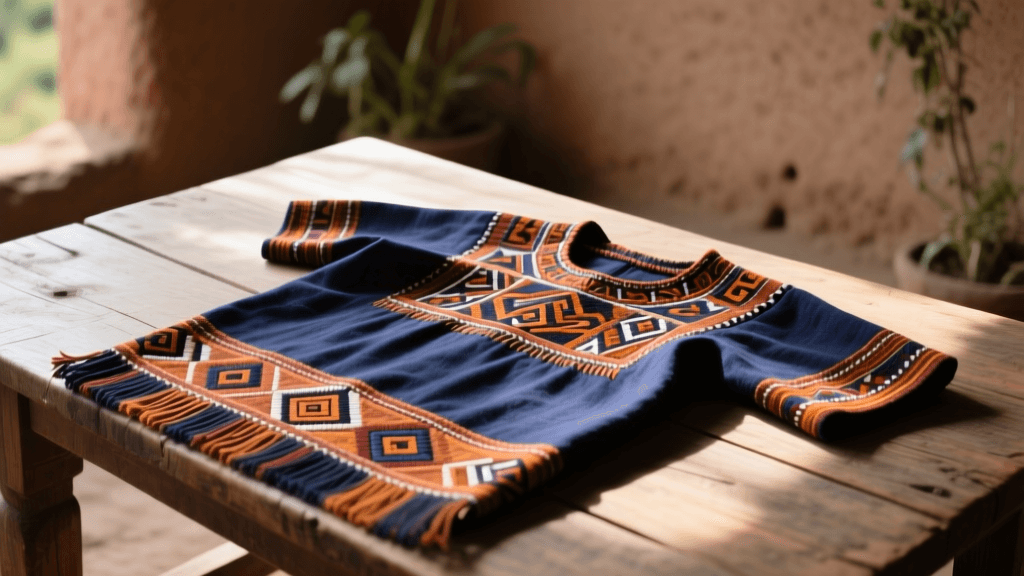
The huipil is far more than a simple garment; it is a wearable codex, a geographic identifier, and a profound expression of Indigenous identity across Mesoamerica. In the state of Oaxaca, Mexico, the traditional huipil remains a vital cornerstone of Zapotec, Mixtec, Mazatec, and Chinantec cultures. As we navigate the global slow-fashion landscape in 2026, the demand for authentic, handwoven Latin American textiles has reached unprecedented heights. While this surge in popularity brings economic opportunities to artisan communities, it has also triggered a flood of mass-produced, culturally appropriated imitations into the global market.
For collectors, textile enthusiasts, and ethical fashion advocates, understanding the nuanced differences between an authentic backstrap-loom woven huipil and a factory-made replica is essential. This comprehensive 2026 sourcing guide will equip you with the technical knowledge, market pricing data, and ethical frameworks necessary to acquire genuine Oaxacan garments while directly supporting the Indigenous women who keep these ancient textile arts alive.
Backstrap Loom vs. Pedal Loom: Spotting the Difference
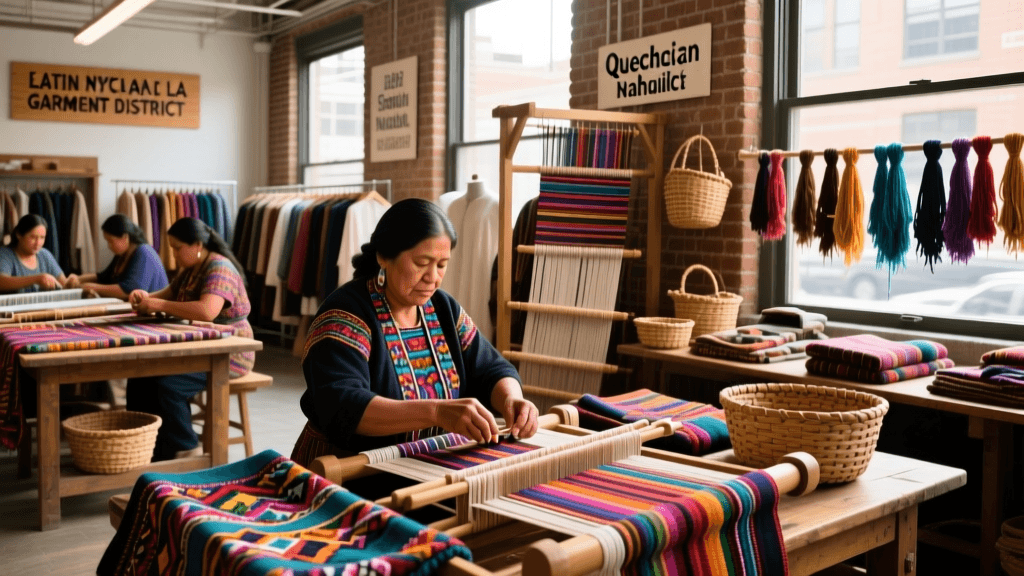
The foundational tool for creating an authentic Oaxacan huipil is the backstrap loom (telar de cintura). This pre-Columbian technology relies on the weaver's own body weight to create tension. One end of the loom is tied to a sturdy post or tree, while the other is secured around the weaver's lower back via a belt. Because the width of the loom is limited by the reach of the weaver's arms and the physical constraints of the tension belt, authentic backstrap-woven fabrics are typically narrow, rarely exceeding 18 to 24 inches in width.
To create a full-sized huipil, weavers must produce two or three separate panels of equal length and meticulously join them using intricate, decorative hand-stitching known as randa or unión de aguja. If you are examining a purported backstrap-woven huipil in 2026 and the fabric is a single, continuous piece wider than 30 inches, it was almost certainly woven on a European-introduced pedal loom (telar de pedal) or a modern power loom. While pedal looms are traditionally used in Oaxaca for creating wide items like rugs (tapetes) and blankets, they are not the traditional tool for crafting the intimate, body-mapped panels of a ceremonial or daily huipil.
Another hallmark of the backstrap loom is the finished selvedge edge. Master weavers engineer their tension so perfectly that the side edges of the fabric are naturally finished and require no hemming. Examine the sides of the garment; if you see raw, cut edges that have been folded and machine-stitched, you are looking at a commercially manufactured product.
Natural Dyes in 2026: Cochineal, Indigo, and Marigold
The 2026 textile market has seen a massive resurgence in the demand for natural, biodegradable dyes, moving away from the harsh, toxic synthetic aniline dyes that plagued the mid-20th century. Authentic, high-end Oaxacan huipiles utilize a vibrant, historically accurate palette derived from the local flora and fauna.
The most celebrated of these is cochineal (Dactylopius coccus), a parasitic insect that lives on the prickly pear cactus (Opuntia). When dried and crushed, the insect yields a potent carminic acid that produces breathtaking shades of crimson, magenta, and deep purple, depending on the mordant used. Weavers manipulate the pH levels using lime juice, alum, or baking soda to achieve a spectrum of colors from a single source. Indigo (añil) is utilized for deep blues, requiring a complex fermentation vat process, while marigold (cempasúchil), pecan shells, and wild mint provide brilliant yellows, rich browns, and soft greens.
"The use of natural dyes is not merely an aesthetic choice; it is an ecological practice that connects the weaver to the agricultural cycles of their land, ensuring that the water runoff from the dyeing process nourishes rather than poisons the local watershed."
Identifying Mass-Produced Fakes in the 2026 Market
Unfortunately, the global appreciation for Indigenous aesthetics has led to the proliferation of "manta" knockoffs—cheap, unbleached cotton garments screen-printed with digital scans of traditional Zapotec and Mixtec brocade patterns. These items are frequently manufactured in overseas factories or large-scale maquiladoras and sold in tourist markets and online boutiques as "authentic Mexican embroidery." To ensure you are purchasing a genuine textile, look for the following indicators:
- Texture and Relief: Authentic brocade (supplementary weft) is woven directly into the fabric on the loom. Run your fingers over the design; you should feel a distinct, raised texture. Screen-printed fakes are entirely flat.
- The Reverse Side: Turn the garment inside out. In true backstrap brocade, the pattern is created by floating threads that are visible on the reverse side, often with long, carefully managed skips. Machine embroidery will show a dense, uniform backing of interlocking threads, while screen prints will show ink bleeding through the cotton.
- Symmetry and Imperfections: Handwoven garments possess a human rhythm. You may notice microscopic variations in the tension or slight, intentional asymmetries in the motifs. Factory-made items are sterile and perfectly uniform.
2026 Market Pricing: Investing in Authentic Textiles
Understanding the true cost of labor is vital for ethical sourcing. A single ceremonial huipil can take a master weaver anywhere from four to eight months of daily labor to complete, encompassing the hand-spinning of the cotton, the foraging and preparation of the dyes, and the meticulous weaving process. As of 2026, fair-trade pricing reflects this immense investment of time and generational knowledge.
| Garment Type | Materials & Dyes | Weaving Time | 2026 Fair Market Price (USD) |
|---|---|---|---|
| Everyday Huipil (Algodón Comercial) | Commercial cotton, synthetic/chemical dyes | 1 - 2 Months | $150 - $300 |
| Fiesta Huipil (Mixed Materials) | Commercial cotton, natural cochineal/indigo accents | 3 - 4 Months | $350 - $600 |
| Ceremonial Huipil (De Gala) | Hand-spun coyuche cotton, 100% natural dyes | 6 - 12 Months | $900 - $2,500+ |
| Antique / Vintage (Pre-1980) | Historical hand-spun, natural dyes, museum quality | N/A (Secondary Market) | $1,500 - $10,000+ |
If you encounter a purported "handwoven backstrap huipil" selling for $45 online in 2026, it is mathematically impossible for it to be authentic. Purchasing such items actively undercuts the livelihoods of Indigenous artisans and funds exploitative manufacturing practices.
Ethical Sourcing: Where and How to Buy
The most ethical way to acquire an Oaxacan huipil is to travel to the source and purchase directly from the weavers or local cooperatives. Villages such as San Juan Colorado (famous for their intricate Mixtec brocade and coyuche cotton), San Bartolo Yautepec (renowned for their elaborate, multi-colored Zapotec designs), and Santa María Alotepec (celebrated for their fine, gauze-like cotton weaves) are premier destinations for textile collectors.
For those unable to travel to Mexico, it is crucial to purchase from vetted, transparent organizations that prioritize Indigenous sovereignty and fair compensation. Advocates at Cultural Survival consistently emphasize the importance of buying from cooperatives that are owned and operated by Indigenous women, ensuring that the profits remain within the community rather than being siphoned off by middlemen or foreign gallery owners.
Furthermore, institutions dedicated to cultural preservation, such as the Smithsonian Center for Folklife and Cultural Heritage, frequently highlight the importance of recognizing textile arts as intellectual property. When shopping online in 2026, look for retailers that provide the specific name of the artisan, their village of origin, and a breakdown of the materials used. Organizations aligned with the principles championed by Fashion Revolution will always prioritize radical transparency in their supply chains, allowing you to trace your garment back to the very hands that wove it.
Caring for Your Handwoven Garment
An authentic Oaxacan huipil is an heirloom piece designed to last for generations, provided it is cared for with respect for its organic materials. The hand-spun cotton and natural dyes require a gentler approach than modern commercial textiles.
Never machine wash or dry clean a backstrap-woven huipil. The harsh agitation and chemical solvents will destroy the natural oils in the hand-spun cotton and cause the cochineal and indigo dyes to bleed or fade. Instead, hand wash the garment in cold water using a pH-neutral, biodegradable textile soap. Avoid soaking the garment for extended periods, as this can cause the natural mordants to break down.
After washing, gently press the water out by rolling the huipil in a clean, dry towel. Never wring or twist the fabric, as this will warp the meticulous tension of the backstrap weave. Lay the garment flat to dry in a shaded, well-ventilated area. Direct sunlight is the enemy of natural dyes and will rapidly bleach the vibrant crimsons and deep blues. When storing your huipil, avoid wire hangers, which can distort the shoulder seams. Instead, fold the garment carefully with acid-free tissue paper and store it in a breathable cotton bag, protecting it from moisture and pests while preserving its structural integrity for decades to come.