Buy Authentic San Antonino Huipils: 2026 Pricing & Craft Guide
The Legacy of San Antonino Castillo Velasco
When exploring the rich tapestry of Latin American traditional garments, few pieces command as much reverence and artistic admiration as the huipil. Originating from the Indigenous communities of Mexico and Central America, the huipil is far more than a simple tunic; it is a wearable manuscript of cultural identity, cosmology, and regional pride. In 2026, as global appreciation for slow fashion and heritage textiles continues to surge, the huipils from the Zapotec village of San Antonino Castillo Velasco in Oaxaca, Mexico, have become highly sought after by collectors, curators, and conscious consumers alike.
Located in the Central Valleys region of Oaxaca, San Antonino is globally celebrated for a very specific, painstakingly intricate style of embroidery. Unlike the heavy brocade weavings of the Sierra Norte or the vibrant silk garments of the Isthmus of Tehuantepec, the San Antonino huipil is characterized by its delicate cotton muslin base and its breathtaking, multidimensional floral embroidery. Understanding the heritage, the technique, and the current market dynamics is essential for anyone looking to ethically acquire one of these masterpieces in 2026.
Decoding the 'Hazme Si Puedes' Embroidery Technique
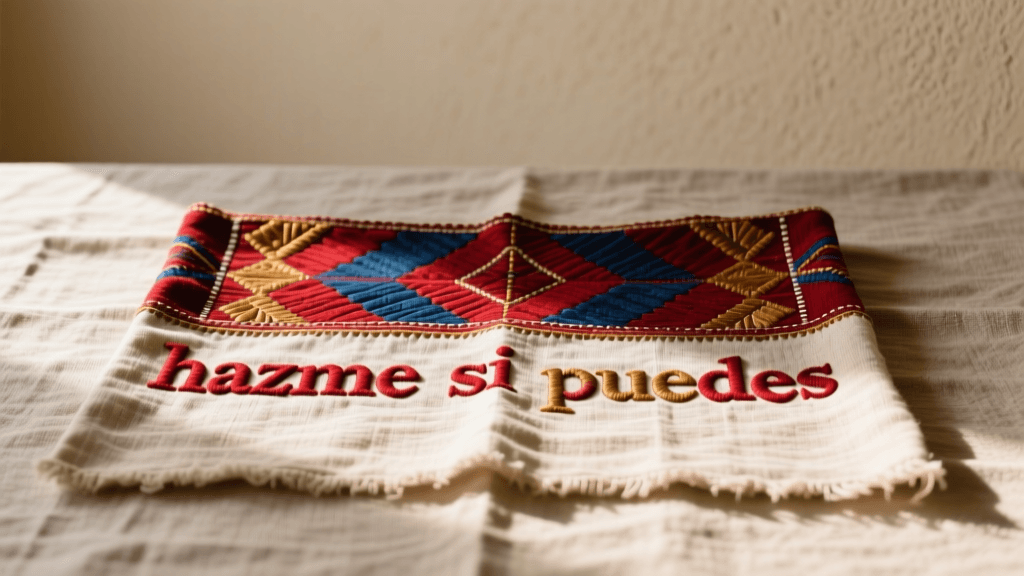
The crown jewel of San Antonino textile arts is the embroidery technique colloquially known as hazme si puedes, which translates to 'make it if you can.' This phrase is a testament to the extreme complexity and technical mastery required to execute the designs. The technique involves a combination of intricate smocking, drawn thread work (known locally as deshilado), and meticulous satin stitching.
Artisans, primarily women who have passed down these skills through generations, begin by gathering and smocking the fine cotton fabric to create a textured, three-dimensional canvas. They then embroider elaborate motifs, predominantly featuring roses, daisies, and local flora, interwoven with geometric borders. The thread used ranges from high-quality cotton to lustrous silk, depending on the intended use of the garment. A single ceremonial huipil featuring full-front and sleeve embroidery can take an artisan anywhere from six to twelve months of daily, painstaking work to complete. The resulting garment is a masterclass in tension control, color theory, and structural textile manipulation.
Identifying Authenticity in the 2026 Market
With the rise in popularity of Oaxacan textiles, the market has unfortunately seen an influx of machine-made imitations and mass-produced knockoffs. In 2026, distinguishing between an authentic, handcrafted San Antonino huipil and a factory-made replica is a critical skill for ethical buyers.
Authentic hand-embroidery will always show slight, beautiful irregularities. The tension of the thread will vary microscopically, and the reverse side of the fabric, while neat, will not look identical to the front. Machine embroidery, conversely, is perfectly uniform, and the back will often show a dense, messy web of bobbin threads or a stiff, paper-like backing that was used to stabilize the fabric during automated stitching. Furthermore, authentic deshilado (drawn thread work) involves the physical removal of warp and weft threads from the cotton base to create lace-like patterns; imitations merely print or stitch a lace pattern onto solid fabric.
2026 Market Pricing and Authenticity Guide
The pricing of a San Antonino huipil is directly tied to the density of the embroidery, the quality of the thread (cotton vs. silk), and the time invested by the artisan. Below is a comprehensive breakdown of what buyers should expect to pay in 2026 when purchasing directly from cooperatives or ethical retailers.
| Huipil Grade | Embroidery Density | Thread Type | 2026 Average Price (USD) | Production Time |
|---|---|---|---|---|
| Everyday (Uso Diario) | Light chest and neck smocking | Cotton | $120 - $180 | 1 - 2 Months |
| Festive (Fiesta) | Moderate chest, back, and sleeves | Cotton/Silk blend | $250 - $450 | 3 - 5 Months |
| Ceremonial / Bridal | Full front, back, sleeves, heavy deshilado | Pure Silk | $600 - $1,400+ | 6 - 12 Months |
| Collector / Museum | Master-weaver signature, antique motifs | Hand-spun Silk/Cotton | $1,500 - $3,000+ | 12+ Months |
Note: Prices reflect fair-trade compensation. If you see a 'San Antonino style' blouse selling for $45 in a fast-fashion boutique, it is almost certainly a machine-made exploitation of the design.
How to Measure, Fit, and Style Your Huipil
Traditional huipils are not tailored to the body in the Western sense; they are constructed from rectangular panels woven on a backstrap or pedal loom, which are then joined together. A standard San Antonino huipil is typically made of three panels, resulting in a wide, boxy, and flowing silhouette.
When shopping in 2026, pay close attention to the ancho (width) and largo (length). The average width of a three-panel huipil ranges from 28 to 34 inches across the chest, while the length usually falls between 24 and 30 inches. Because the armholes are often simple slits or wide openings, the garment is designed to drape elegantly over the shoulders. To style a San Antonino huipil respectfully in a modern wardrobe, pair it with tailored, high-waisted trousers or a sleek midi skirt. This balances the voluminous top half and allows the intricate embroidery to serve as the focal point of your ensemble. Avoid cutting, darting, or altering the side seams, as this destroys the structural integrity and cultural intent of the rectangular weave.
Care and Maintenance for Delicate Textiles
The fine cotton muslin and silk threads used in San Antonino garments require meticulous care. Never machine wash or machine dry a hand-embroidered huipil. The agitation will cause the delicate smocking to unravel and the silk threads to bleed or lose their luster.
To clean your garment, fill a basin with cold water and add a small amount of pH-neutral, eco-friendly detergent. Submerge the huipil and gently agitate it with your hands for no more than three minutes. Rinse thoroughly in cold water until the water runs clear. Do not wring or twist the fabric; instead, press the water out gently between two clean, dry towels. Lay the huipil flat on a drying rack in a shaded, well-ventilated area. Direct sunlight will rapidly fade the vibrant, hand-dyed silk threads. Once dry, store the garment folded with acid-free tissue paper to prevent permanent creasing in the smocked areas.
Ethical Purchasing: Supporting Artisans in 2026
The most vital aspect of acquiring Latin American traditional garments today is ensuring that the financial benefits reach the creators. The plagiarism of Indigenous designs by international fashion houses has been a persistent issue, but 2026 has seen a strong pushback led by artisan coalitions and global NGOs. Organizations like Nest have been instrumental in establishing transparent, ethical supply chains that connect Oaxacan embroiderers directly with global buyers, ensuring fair wages and safe working conditions.
Furthermore, advocacy groups such as Cultural Survival continue to fight for the intellectual property rights of Indigenous communities, educating consumers on the difference between cultural appreciation and cultural theft. When making a purchase, look for transparency regarding the artisan's name, the specific cooperative, and the village of origin. Institutions like the Museo Textil de Oaxaca also provide invaluable resources and occasionally host pop-up sales featuring verified, master-crafted pieces where 100% of the proceeds support the weavers and embroiderers.
Conclusion
Investing in an authentic San Antonino huipil is an investment in the survival of a centuries-old Zapotec art form. By understanding the 'hazme si puedes' technique, recognizing fair 2026 pricing, and committing to ethical purchasing practices, you help ensure that the artisans of San Antonino Castillo Velasco can continue to weave their history, one meticulous stitch at a time. Whether worn as a statement piece or preserved as a textile heirloom, these garments remain a profound testament to the enduring beauty of Indigenous Latin American craftsmanship.